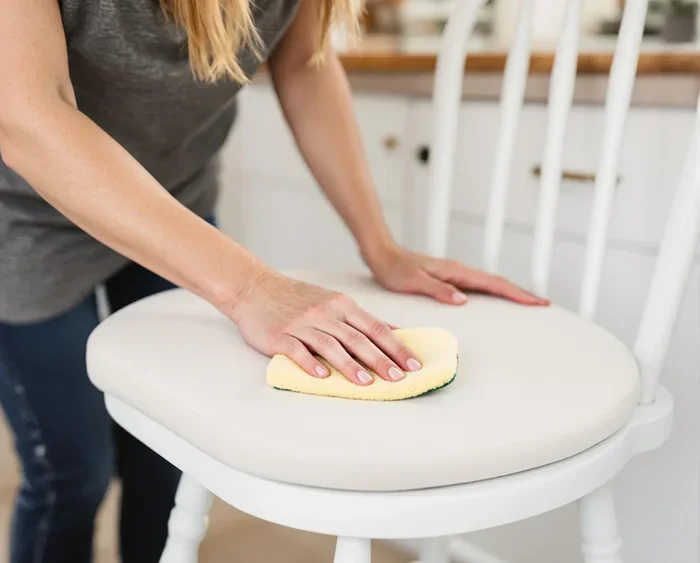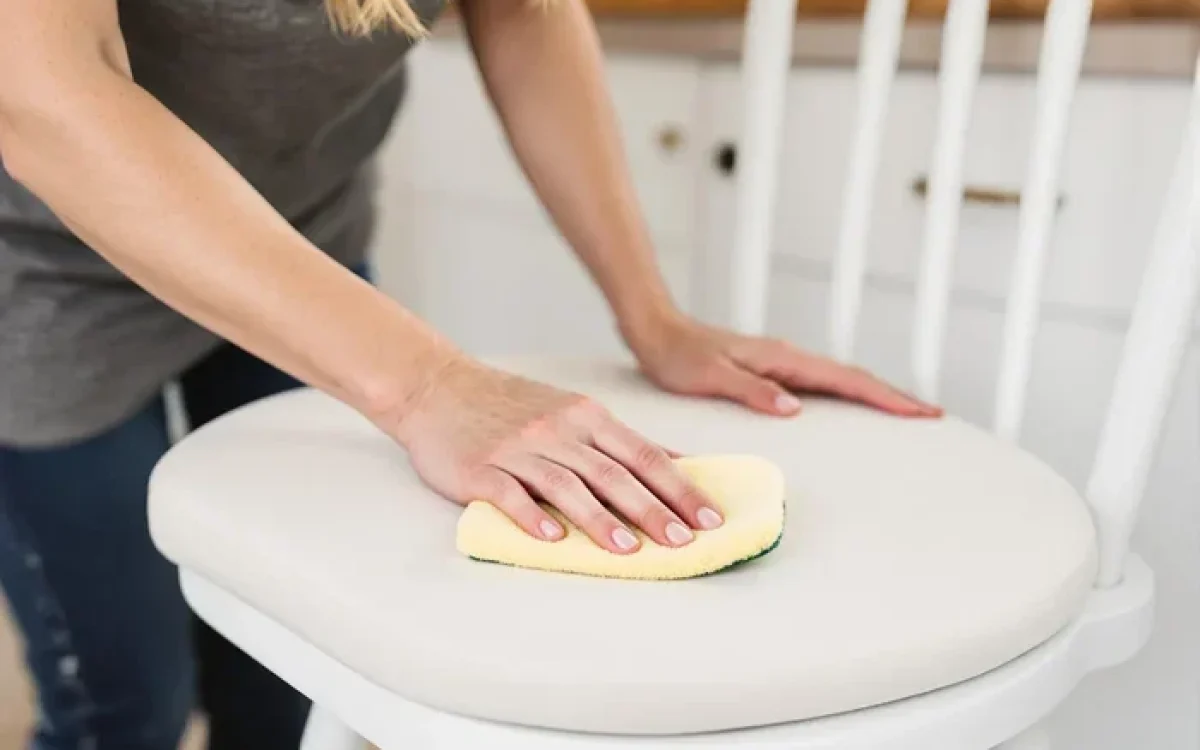
Keeping your kitchen chair cushions clean is easier than you think. This guide walks you through simple, effective steps to clean kitchen chair cushions of all types. You will learn how to remove tough stains, eliminate odors, and maintain cushion freshness. Follow our practical tips to save time and money on replacements.
Kitchen chair cushions take a beating every single day. They absorb spills, soak up grease, and trap crumbs deep in the fabric. Over time, this leads to stubborn stains, unpleasant odors, and even bacteria growth. If you have ever wondered how to clean kitchen chair cushions without spending a fortune, you are in the right place.
This guide breaks down the entire process into easy, manageable steps. You do not need expensive equipment or harsh chemicals. With a few household items and a little time, your cushions will look and smell brand new. Let us dive in and get those kitchen chairs looking great again.
Key Takeaways
- Regular vacuuming prevents buildup: Dirt and crumbs settle fast, so weekly vacuuming keeps cushions in great shape.
- Spot treatment works wonders: Treating stains early makes the whole cleaning process much easier and faster.
- Machine washing is safe for most covers: Always check the care label before tossing cushion covers in the washer.
- Proper drying prevents mold: Air drying in sunlight kills bacteria and removes lingering odors naturally.
- DIY cleaning solutions save money: Simple ingredients like vinegar, baking soda, and dish soap work surprisingly well.
- Replace cushions when needed: Worn-out foam or stubborn stains mean it is time for new cushion covers or inserts.
📑 Table of Contents
- Why Kitchen Chair Cushions Get Dirty So Fast
- What You Will Need to Clean Kitchen Chair Cushions
- How to Clean Kitchen Chair Cushions Step by Step
- How to Remove Common Stains from Kitchen Chair Cushions
- Tips for Keeping Kitchen Chair Cushions Clean Longer
- Common Mistakes to Avoid When Cleaning Kitchen Chair Cushions
- When to Replace Your Kitchen Chair Cushions
- Frequently Asked Questions
- Final Thoughts
Why Kitchen Chair Cushions Get Dirty So Fast
Kitchen chair cushions are hotspots for dirt and grime. Unlike living room furniture, kitchen chairs face food spills, cooking grease, and constant use. Understanding why they get dirty helps you clean them more effectively and prevent future buildup.
Food particles fall onto cushions every time you eat. Grease from cooking sprays and oils settles into the fabric. Even crumbs that seem harmless attract dust mites and bacteria over time. Humidity from cooking also gets trapped in the cushion material, leading to mold and mildew.
Here are the main reasons kitchen chair cushions get dirty quickly:
- Daily food exposure: Crumbs, spills, and splatters happen at every meal.
- Cooking grease and oil: These stick to fabric and attract dirt.
- High humidity: Steam from cooking gets absorbed into cushion foam.
- Frequent use: More use means more wear, sweat, and body oils.
- Pets and kids: They add extra hair, dander, and mess to the mix.
The good news is that regular maintenance makes a huge difference. A little attention goes a long way in keeping your kitchen chair cushions looking fresh and feeling comfortable.
What You Will Need to Clean Kitchen Chair Cushions
Before you start, gather your supplies. Having everything ready makes the process smoother and faster. You do not need anything fancy. Most of these items are already in your home.
Essential Cleaning Supplies
- Vacuum cleaner with an upholstery attachment
- Soft-bristle brush or old toothbrush
- Mild dish soap or liquid laundry detergent
- White vinegar or baking soda
- Clean cloths or sponges
- Warm water in a bucket or basin
- Towels for blotting and drying
- Lukewarm water for rinsing
Optional but Helpful Tools
- Enzyme-based stain remover for tough organic stains
- Steam cleaner for deep sanitizing
- Fabric protector spray to prevent future stains
- Spray bottle for applying cleaning solutions
- Sunlight or a well-ventilated drying area
Having these supplies ready means you can tackle any cushion cleaning project with confidence. No last-minute store runs or scrambling for tools.
How to Clean Kitchen Chair Cushions Step by Step
Now let us get into the actual cleaning process. Follow these steps carefully for the best results. Each step builds on the previous one to ensure your cushions come out spotless and fresh.
Step 1: Remove and Inspect the Cushions
Start by taking all the cushions off the chairs. This gives you full access to every surface and makes handling much easier. Lay them flat on a clean surface, preferably outdoors or on a tiled floor.
Inspect each cushion closely. Look for visible stains, tears, or worn areas. Check the care label on removable covers. Some covers are machine washable, while others need hand washing. This inspection tells you exactly what you are working with.
Quick Tip: Take a photo of each cushion before cleaning. This helps you track which stains need extra attention and gives you a before-and-after comparison.
Step 2: Vacuum the Cushions Thoroughly
Use your vacuum cleaner with the upholstery attachment. Go over every surface of each cushion, pressing gently to pull out embedded dirt and crumbs. Pay extra attention to seams, crevices, and corners where debris hides.
Vacuum both sides of each cushion. Flip them over and repeat the process. This removes loose dirt, dust, pet hair, and food particles that have settled deep into the fabric fibers.
For cushions with deep seams, use the brush attachment or a soft-bristle brush to loosen stubborn debris. This step is essential because it prepares the fabric for deeper cleaning and ensures stains respond better to treatment.
Step 3: Treat Stains Before Washing
Stain treatment is the most important part of the process. The longer a stain sits, the harder it becomes to remove. Treat every stain you found during inspection before moving to the wash.
Here is how to handle common kitchen cushion stains:
- Food stains (coffee, juice, sauce): Blot with a clean cloth, then apply a mixture of dish soap and warm water. Gently dab, never rub.
- Grease and oil stains: Sprinkle baking soda on the stain and let it sit for 15 minutes. Brush off, then apply a vinegar-water solution.
- Organic stains (blood, milk): Use an enzyme-based cleaner. These break down protein-based stains effectively.
- General discoloration: Make a paste of baking soda and water. Apply it, let it sit for 30 minutes, then wipe clean.
Always test any cleaning solution on a small hidden area first. This prevents damage or color fading on your kitchen chair cushions.
Step 4: Wash the Cushions Properly
Now it is time to wash. The method depends on whether your cushion covers are removable and what the care label says.
For machine-washable covers:
- Remove the cover from the cushion insert.
- Place covers in the washing machine on a gentle cycle.
- Use cold or lukewarm water to prevent shrinkage.
- Add a mild detergent. Avoid harsh chemicals or bleach.
- Run an extra rinse cycle to remove all soap residue.
For non-removable covers or hand-wash-only cushions:
- Fill a basin with warm water and add a small amount of mild detergent.
- Submerge the cushion and gently agitate the water.
- Let it soak for 15 to 20 minutes.
- Drain the soapy water and refill with clean water for rinsing.
- Repeat rinsing until the water runs clear and no suds remain.
Common Mistake: Using too much detergent leaves residue in the fabric. This attracts more dirt and makes cushions feel stiff. Always use the minimum amount needed.
Step 5: Dry the Cushions the Right Way
Drying is just as important as washing. Improper drying leads to mold, mildew, and musty odors. Take your time with this step.
The best method is air drying. Place cushions in a well-ventilated area or outdoors in direct sunlight. Sunlight naturally disinfects fabric and helps remove lingering odors. Flip cushions halfway through drying to ensure even results.
If you must use a dryer, set it to the lowest heat setting. High heat can shrink fabric and damage foam inserts. Adding a dry towel to the dryer helps absorb moisture faster.
Expert Insight: Never put damp cushions back on chairs. Moisture trapped in fabric creates the perfect breeding ground for bacteria and mold. Always make sure cushions are completely dry before use.
How to Remove Common Stains from Kitchen Chair Cushions
Kitchen cushions face unique stain challenges. Different types of stains require different approaches. Here is a detailed guide to removing the most common stains you will encounter.
| Stain Type | Best Cleaning Method | Time to Treat |
|---|---|---|
| Coffee or Tea | Dish soap + warm water, blot gently | Treat within 1 hour |
| Grease or Oil | Baking soda paste, then vinegar rinse | Treat within 2 hours |
| Red Wine or Juice | Club soda, then enzyme cleaner | Treat immediately |
| Milk or Dairy | Enzyme-based cleaner, cold water rinse | Treat within 30 minutes |
| General Dirt | Vinegar and water solution (1:1 ratio) | Treat within 4 hours |
| Mold or Mildew | Vinegar spray, sun dry thoroughly | Treat as soon as noticed |
The key to stain removal is acting fast. The longer a stain sits, the deeper it penetrates the fabric fibers. Blot, do not rub, to push the stain out rather than spreading it deeper into the material.
Quick Tip: Keep a small stain removal kit near your kitchen. Include a travel-sized bottle of vinegar solution, a few clean cloths, and a mini brush. This makes quick cleanup effortless.
Tips for Keeping Kitchen Chair Cushions Clean Longer
Cleaning is only half the battle. Prevention is the other half. These simple habits keep your kitchen chair cushions looking great for longer and reduce how often you need to deep clean.
Daily Habits That Make a Difference
- Wipe spills immediately: The faster you address a spill, the less chance it has to set in.
- Use placemats and tablecloths: These catch crumbs and drips before they reach the cushions.
- No food on chairs: Encourage family members to eat at the table, not on the chairs.
- Brush off crumbs daily: A quick shake or brush takes care of loose debris before it builds up.
Weekly and Monthly Maintenance
- Weekly: Vacuum all cushion surfaces with the upholstery attachment.
- Weekly: Spot clean any fresh stains with a damp cloth and mild soap.
- Monthly: Air out cushions by placing them in direct sunlight for a few hours.
- Monthly: Sprinkle baking soda on cushions, let sit for 20 minutes, then vacuum off to absorb odors.
- Quarterly: Do a full deep clean following the steps in this guide.
Expert Insight: Fabric protector sprays create an invisible barrier on cushion surfaces. Spray them after cleaning to repel liquids and make future stain removal much easier. Reapply every few months for best results.
Common Mistakes to Avoid When Cleaning Kitchen Chair Cushions
Even with good intentions, people make mistakes that damage their cushions. Avoid these common pitfalls to get the best results every time.
- Using too much water: Over-saturating cushions leads to mold growth and long drying times. Use damp, not soaking wet, cloths.
- Rubbing stains instead of blotting: Rubbing pushes stains deeper into the fabric. Always blot from the outside of the stain inward.
- Ignoring the care label: Every cushion is different. The care label tells you exactly what is safe and what is not.
- Using harsh chemicals: Bleach and strong detergents can damage fabric fibers and cause discoloration. Stick to mild, gentle cleaners.
- Skipping the rinse: Soap residue attracts dirt and makes cushions feel sticky. Always rinse thoroughly.
- Drying cushions in direct heat: Radiators or direct heat sources can warp foam and shrink fabric. Air dry naturally whenever possible.
Common Mistake: Throwing cushion covers in the washer without removing the foam insert. This can damage both the cover and the foam. Always separate them first.
When to Replace Your Kitchen Chair Cushions
Sometimes cleaning is not enough. Over time, cushions lose their shape, support, and comfort. Knowing when to replace them saves you from wasting money on ineffective cleaning.
Here are clear signs your kitchen chair cushions need replacing:
- Flat, compressed foam: Cushions that no longer spring back have lost their support.
- Persistent odors: If washing does not remove smells, bacteria may be embedded deep in the foam.
- Stains that will not come out: Some stains are permanent, especially if they have set for months.
- Torn or fraying fabric: Damaged fabric cannot be fully restored and will only get worse.
- Visible mold or mildew: This is a health hazard and means the cushion should be replaced immediately.
When replacing, consider buying washable cushion covers. These let you remove and machine wash the outer layer while keeping the foam insert intact. This simple upgrade makes future cleaning much easier and extends the life of your cushions significantly.
Frequently Asked Questions
Can I machine wash kitchen chair cushion covers?
Yes, most removable cushion covers are machine washable. Always check the care label first. Use cold water on a gentle cycle and mild detergent. Avoid high heat when drying to prevent shrinkage.
How often should I deep clean kitchen chair cushions?
A deep clean every three to four months works well for most households. If you have pets, young children, or eat frequently at the kitchen table, consider cleaning them monthly. Regular spot cleaning between deep cleans keeps cushions in better condition.
What is the best homemade solution for cleaning kitchen chair cushions?
A simple mixture of warm water, a few drops of dish soap, and a splash of white vinegar works remarkably well. For tougher stains, make a paste of baking soda and water and apply it directly to the stain before washing.
How do I remove musty smells from kitchen chair cushions?
Sunlight is your best friend for odor removal. Place cushions outdoors in direct sunlight for several hours. You can also sprinkle baking soda generously over the fabric, let it sit for 30 minutes, then vacuum it off. The baking soda absorbs moisture and neutralizes odors naturally.
Is it safe to use a steam cleaner on kitchen chair cushions?
Yes, steam cleaning is safe for most fabric cushions and is excellent for deep sanitizing. It kills bacteria, dust mites, and allergens without chemicals. Just make sure the cushions are completely dry afterward to prevent mold growth.
Can I use bleach on kitchen chair cushion covers?
It is best to avoid bleach. It can weaken fabric fibers, cause discoloration, and leave harsh chemical residues. Stick to mild, color-safe cleaners instead. If you need a strong whitener, oxygen-based bleach is a safer alternative that still gets the job done.
Final Thoughts
Learning how to clean kitchen chair cushions is a simple skill that pays off in many ways. Fresh cushions look better, smell better, and last much longer. They also create a more welcoming and hygienic kitchen environment for your whole family.
The process is straightforward when you follow the right steps. Remove and inspect the cushions, vacuum thoroughly, treat stains early, wash gently, and dry completely. Each step plays a vital role in achieving the best results. Prevention through daily habits and regular maintenance keeps your effort to a minimum.
Do not wait until stains become permanent or odors become unbearable. Make cushion care a regular part of your kitchen routine. Your chairs will thank you, and your kitchen will feel welcoming every time you sit down for a meal. Start today, and enjoy the difference clean cushions make.