Greasy kitchen blinds can make your whole kitchen look dirty, but cleaning them is easier than you think. This guide shows you proven methods to how to clean greasy kitchen blinds using items you already have at home. From vinegar solutions to quick wipe-downs, you will learn simple hacks that save time and money.
Your kitchen blinds take a beating every single day. Cooking steam, splattered oil, and airborne grease settle on those slats until they look almost brown. If you have ever wondered how to clean greasy kitchen blinds without spending hours or money, you are in the right place.
Grease buildup on blinds is one of the most common kitchen problems homeowners face. It happens fast, especially if you cook fried foods or use your stove often. The good news is that you do not need expensive cleaners or special tools. Most of the time, the solutions are already sitting under your kitchen sink.
In this article, we will walk you through every step needed to bring your dirty blinds back to life. You will learn the best cleaning solutions, the right tools to use, and simple prevention tips that keep grease away longer. Whether you have aluminum blinds, fabric blinds, or wooden slats, this guide covers it all.
Key Takeaways
- Use vinegar and dish soap: This combo cuts through grease fast and works on most blind types.
- Soak for deep cleaning: Removing blinds and soaking them in a bathtub or sink works wonders on heavy grease buildup.
- Wipe weekly for easy maintenance: Regular cleaning prevents stubborn grease from setting in.
- Avoid harsh chemicals: Gentle household solutions protect both your blinds and your health.
- Prevention is key: Simple habits like using your range hood reduce grease on blinds dramatically.
- Different blinds need different care: Aluminum, fabric, and wooden blinds each require specific cleaning approaches.
📑 Table of Contents
- Why Do Kitchen Blinds Get So Greasy?
- What You Need Before You Start
- Step-by-Step: How to Clean Greasy Kitchen Blinds
- Quick Cleaning Hacks for Busy Days
- How to Clean Different Types of Kitchen Blinds
- Comparison: DIY vs. Store-Bought Cleaners
- How to Prevent Grease Buildup on Blinds
- Common Mistakes to Avoid When Cleaning Greasy Blinds
- How Often Should You Clean Your Kitchen Blinds?
- Final Thoughts on Cleaning Greasy Kitchen Blinds
Why Do Kitchen Blinds Get So Greasy?
Understanding why grease builds up on your blinds helps you clean them better and prevent future buildup. Kitchen blinds sit right near the stove and cooking area. Every time you cook, tiny oil droplets float into the air and land on surfaces, including your blinds.
Steam from boiling water, frying, and baking carries microscopic grease particles. These particles stick to the surface of your blinds. Over time, layers of grease accumulate, making your blinds look yellow or sticky. The warmer your kitchen, the more grease floats around and settles on your window treatments.
The Science Behind Grease Buildup
Grease is made of fats and oils from food. When you cook at high temperatures, these oils become airborne. They cool down as they travel and settle on the nearest surfaces. Blinds are perfect collectors because they have many flat surfaces and crevices where particles can stick.
Aluminum and vinyl blinds are especially prone to grease because their smooth surfaces let oil cling easily. Fabric blinds trap grease in their fibers, making them even harder to clean. Wooden blinds absorb grease over time, which can cause discoloration if not addressed quickly.
What You Need Before You Start
Gathering your supplies before you begin makes the whole process faster and smoother. You do not need anything fancy. Most of these items are common household products that you probably already own.
Here is a quick list of what you will need for cleaning dirty blinds:
- Dish soap — a gentle degreaser that cuts through kitchen grease effectively
- White vinegar — a natural acid that breaks down sticky grease residue
- Warm water — helps dissolve grease and makes cleaning easier
- Microfiber cloths — trap grease better than regular rags
- Soft-bristle brush or old toothbrush — gets into tight spaces between slats
- Spray bottle — for applying your cleaning solution evenly
- Bucket or bathtub — for soaking removable blinds
- Rubber gloves — keeps your hands clean and protected
For heavy grease removal, you may also want to keep a degreasing spray on hand. These store-bought options work well, but the DIY solutions below are just as effective and much cheaper.
Step-by-Step: How to Clean Greasy Kitchen Blinds
Now let us get into the actual cleaning process. Follow these steps for the best results. Whether you are dealing with light grease or thick, sticky buildup, this method works.
Step 1: Remove the Blinds (If Possible)
Taking your blinds down makes cleaning much easier. Most blinds have a simple release mechanism that lets you slide them out of their brackets. Lay them flat on a towel or drop cloth to protect your floor.
If you cannot remove the blinds, you can still clean them in place. Just close them fully and work on one side at a time. Use a cloth wrapped around a ruler or a specialized blind-cleaning tool to reach between the slats.
Step 2: Shake Off Loose Dust
Before you apply any liquid, shake off loose dust and crumbs. Take the blinds outside and give them a good shake. You can also use a soft brush or a microfiber duster to sweep away surface debris. This prevents dirt from turning into mud when you add your cleaning solution.
Step 3: Prepare Your Cleaning Solution
For most grease removal tasks, a simple vinegar and dish soap solution works perfectly. Mix one gallon of warm water with one tablespoon of white vinegar and a few drops of dish soap. Stir gently until the mixture is slightly sudsy.
For stubborn grease buildup, you can increase the vinegar to two tablespoons or add a teaspoon of baking soda. The baking soda adds mild abrasion that helps scrub away tough residue without scratching the blind surface.
Step 4: Soak or Wipe Down
If your blinds are removable, fill your bathtub or a large basin with the cleaning solution and submerge the blinds. Let them soak for 15 to 20 minutes. The warm water and vinegar will loosen the grease and make it much easier to wipe away.
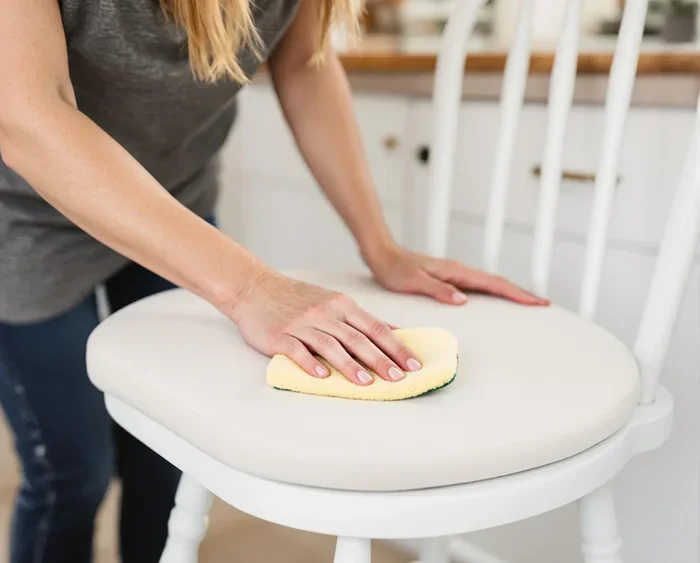
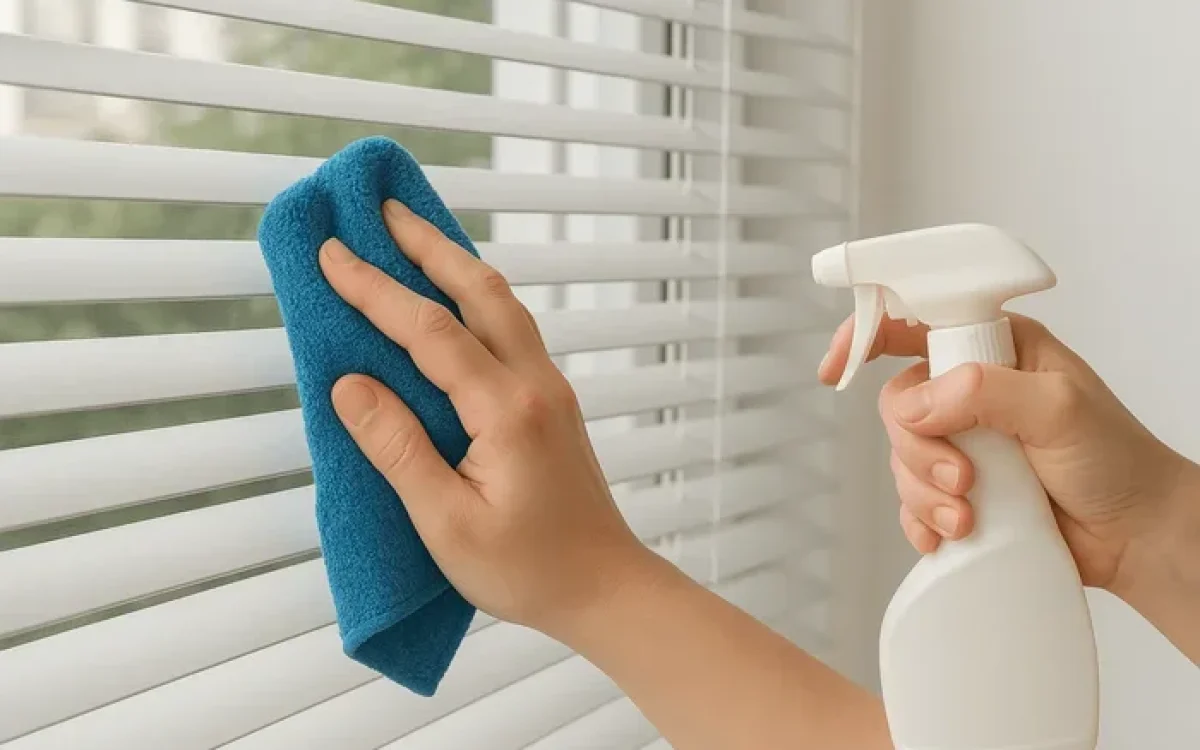
If you are cleaning blinds in place, dip a microfiber cloth into your solution and wring it out well. Wipe each slat from top to bottom, using a gentle back-and-forth motion. Turn the cloth frequently to avoid spreading grease back onto the blinds.
Step 5: Scrub Stubborn Spots
For areas where grease has hardened, use a soft toothbrush or a small brush to scrub gently. Focus on the edges and corners where grease tends to build up the most. Do not use steel wool or abrasive pads, as these can scratch the surface of your blinds.
A quick tip: let the cleaning solution sit on the greasy spots for a few extra minutes before scrubbing. This gives the vinegar and dish soap time to break down the grease, making your job much easier.
Step 6: Rinse Thoroughly
Rinse the blinds with clean warm water to remove all soap residue. Soap left behind can attract dust and make your blinds feel sticky again. If you soaked the blinds, drain the tub and refill with clean water for a second rinse.
For in-place cleaning, use a fresh damp cloth to wipe away any remaining solution. Make sure no soapy film is left on the surface.
Step 7: Dry and Rehang
Let the blinds air dry completely before rehanging them. You can speed up the process by wiping them with a dry microfiber cloth. Make sure they are fully dry to prevent water spots or mold growth.
Once dry, rehang the blinds and adjust them back into position. Step back and admire your work — your kitchen window treatments should look bright and clean again.
Quick Cleaning Hacks for Busy Days
Not everyone has time for a full deep cleaning session. These quick hacks make maintaining clean blinds fast and painless, even on your busiest days.
The Dryer Sheet Trick
Keep a dryer sheet in your kitchen drawer and use it to wipe down your blinds once a week. Dryer sheets contain fabric softeners that repel grease and dust. They leave a light, pleasant scent behind and work surprisingly well for light grease maintenance.
The Coffee Filter Method
Coffee filters are lint-free and great for polishing blinds. After cleaning with your vinegar solution, buff each slat with a dry coffee filter. This removes streaks and leaves your blinds looking shiny without any extra effort.
The T-Noodle Approach
T-noodles are soft, flexible cleaning tools shaped like a tennis ball cut in half. You slide them between blind slats to wipe away dust and light grease. They are inexpensive and reusable, making them a handy tool for quick blind cleaning.
Compressed Air for Dust
A can of compressed air blasts dust and loose particles off your blinds without any contact. This works best as a first step before wet cleaning. It is especially useful for high or hard-to-reach blinds where removing them is difficult.
How to Clean Different Types of Kitchen Blinds
Not all blinds are the same, and each type needs a slightly different approach. Here is how to handle the most common kitchen blind materials.
Aluminum Blinds
Aluminum blinds are the most common in kitchens because they resist moisture well. They also show grease most easily, which actually works in your favor — you can see exactly where you need to clean.
Use the vinegar and dish soap solution described above. Aluminum is durable, so you can scrub a bit more aggressively on stubborn spots. Just avoid anything abrasive that could dent or scratch the surface.
Fabric Blinds
Fabric blinds absorb grease into their fibers, which makes them harder to clean. For light grease, vacuuming with a brush attachment works well. For heavier buildup, remove the blinds and soak them in a bathtub with warm water and a gentle laundry detergent.
Do not wring fabric blinds after soaking. Instead, press out excess water gently and hang them to dry. Always check the care label before using any cleaning solution on fabric blinds.
Wooden Blinds
Wooden blinds require extra care because water and excess moisture can cause warping or cracking. Use a barely damp cloth with a mild cleaning solution — less water is more when cleaning wood.
Avoid soaking wooden blinds entirely. Instead, wipe them down section by section and dry immediately with a separate cloth. A small amount of wood polish after cleaning can help protect the surface and restore shine.
Comparison: DIY vs. Store-Bought Cleaners
When it comes to grease removal for blinds, you have two main options: DIY solutions or commercial cleaners. Here is a quick comparison to help you decide.
| Factor | DIY Solutions | Store-Bought Cleaners |
|---|---|---|
| Cost | Very low (pennies per use) | Moderate to high |
| Effectiveness | Great for regular grease | Stronger on heavy buildup |
| Safety | Non-toxic and gentle | May contain harsh chemicals |
| Availability | Always on hand | Requires a store trip |
| Environmental Impact | Low — natural ingredients | Higher — chemical-based |
| Time Required | Slightly longer for heavy grease | Fast-acting formulas |
For most households, DIY solutions are more than enough for routine blind cleaning. Save store-bought degreasers for those rare occasions when the grease is truly overwhelming.
How to Prevent Grease Buildup on Blinds
Cleaning your blinds is only half the battle. Prevention is the real game-changer when it comes to keeping your kitchen window treatments looking great.
Use Your Range Hood Every Time
Your range hood is your first line of defense against grease. Always turn it on before cooking and keep it running for a few minutes after you finish. A good range hood captures most airborne grease before it reaches your blinds.
Close Blinds When Cooking
This might seem counterintuitive, but keeping your blinds closed while you cook actually protects them. It creates a barrier that reduces the amount of grease-laden steam that settles directly on the slats. Just open them after cooking to let the kitchen air out.
Wipe Down Weekly
A quick weekly wipe-down with a damp microfiber cloth prevents grease from building up to problematic levels. This takes less than five minutes and makes your monthly deep clean much easier.
Keep Your Kitchen Ventilated
Opening a window or running a fan while cooking reduces steam and grease in the air. Better air circulation means less grease settles on your blinds and other surfaces.
Clean Spills Immediately
When oil splatters on your counters or near the window area, wipe it up right away. The longer grease sits, the more it spreads and the harder it becomes to remove later.
Common Mistakes to Avoid When Cleaning Greasy Blinds
Even with the best intentions, people often make mistakes that can damage their blinds or make the cleaning process harder. Here are the most common errors to watch out for.
Using too much water on wooden blinds. Wood and excess moisture do not mix well. Always use a damp cloth, not a wet one, when cleaning wooden blinds.
Skipping the rinse step. Soap residue left on blinds attracts more dust and grease, creating a cycle of dirtiness. Always rinse thoroughly after cleaning.
Using harsh scrubbers. Steel wool, abrasive pads, and rough brushes can scratch and damage blind surfaces. Stick to soft cloths, microfiber, and gentle brushes.
Cleaning in direct sunlight. Cleaning solution dries too quickly in direct sun, leaving streaks and residue. Work in a shaded area or on an overcast day for the best results.
Igning regular maintenance. Waiting until grease becomes thick and stubborn makes every cleaning session harder. A little regular care goes a long way in keeping your blinds looking great.
Expert Insight
Professional cleaners often recommend the vinegar and warm water method as the go-to solution for greasy blinds. According to cleaning experts, the acidity of vinegar breaks down grease at a molecular level, making it one of the most effective and affordable cleaning solutions available. For best results, clean your blinds every two to four weeks depending on how often you cook.
How Often Should You Clean Your Kitchen Blinds?
The frequency of cleaning depends on how much you cook and what type of cooking you do. If you fry foods or use your stove daily, your blinds will need more attention. For most home cooks, a thorough cleaning every three to four weeks keeps blinds in great shape.
Between deep cleanings, a quick dust or wipe once a week makes a big difference. This simple habit prevents grease from building up to the point where it requires a full soak and scrub session.
Pay attention to your blinds. If they start looking dull or feel sticky to the touch, it is time for a cleaning session. Catching grease early makes the entire process faster and much less frustrating.
Final Thoughts on Cleaning Greasy Kitchen Blinds
How to clean greasy kitchen blinds does not have to be a dreaded chore. With the right tools, the right solution, and a little regular effort, you can keep your blinds looking fresh and clean all year round. The vinegar and dish soap method is simple, effective, and safe for most blind types.
Remember that prevention plays a huge role. Use your range hood, close blinds while cooking, and do quick weekly wipes. These small habits save you from the frustration of heavy grease buildup and long cleaning sessions.
Start with the steps outlined in this guide, and you will be surprised at how quickly your blinds can go from greasy and dull to bright and clean. Your kitchen will look better, smell better, and feel more welcoming. Give these methods a try, and you will never dread cleaning your blinds again.
The best part is that once you learn how to clean greasy kitchen blinds the right way, the process becomes second nature. You will be able to maintain clean, grease-free blinds with minimal effort, keeping your kitchen looking its best every single day.
Frequently Asked Questions
Can I use bleach to clean greasy kitchen blinds?
Bleach is not recommended for cleaning blinds. It can damage the material, cause discoloration, and create harsh fumes in your kitchen. Stick to vinegar, dish soap, or dedicated blind cleaners for safe and effective grease removal.
How do I clean greasy blinds without removing them?
You can clean blinds in place by wrapping a damp microfiber cloth around a ruler or a blind-cleaning tool. Spray your vinegar solution onto the cloth and wipe each slat from top to bottom. Work on one side at a time for the best results.
What is the best homemade solution for removing grease from blinds?
The best homemade solution is a mixture of warm water, white vinegar, and a few drops of dish soap. This combination cuts through grease effectively and is safe for most blind materials including aluminum, vinyl, and fabric.
How long does it take to deep clean greasy kitchen blinds?
A full deep cleaning session takes about 30 to 45 minutes for a standard set of blinds. This includes soaking time, scrubbing, rinsing, and drying. Quick maintenance wipes take only five to ten minutes and should be done weekly.
Can I put fabric blinds in the washing machine?
Some fabric blinds can be machine washed on a gentle cycle, but always check the manufacturer’s care label first. If the label says dry clean only, take them to a professional cleaner to avoid damage.
Why do my kitchen blinds get greasy so quickly?
Kitchen blinds get greasy quickly because they are positioned near the cooking area where oil droplets and steam are released into the air. Frequent frying, boiling, and high-heat cooking accelerates grease buildup on blinds and other nearby surfaces.
=== CONCLUSION ===
How to clean greasy kitchen blinds is a skill every homeowner should have in their toolkit. With the simple hacks and step-by-step methods shared in this guide, you can tackle grease buildup without expensive products or complicated techniques. Regular cleaning combined with smart prevention habits keeps your blinds looking great and your kitchen feeling fresh.
Start today with the vinegar and dish soap solution, try the quick hacks for busy days, and build a cleaning routine that works for your lifestyle. Your blinds will thank you, and your kitchen will feel cleaner and more inviting every single day.