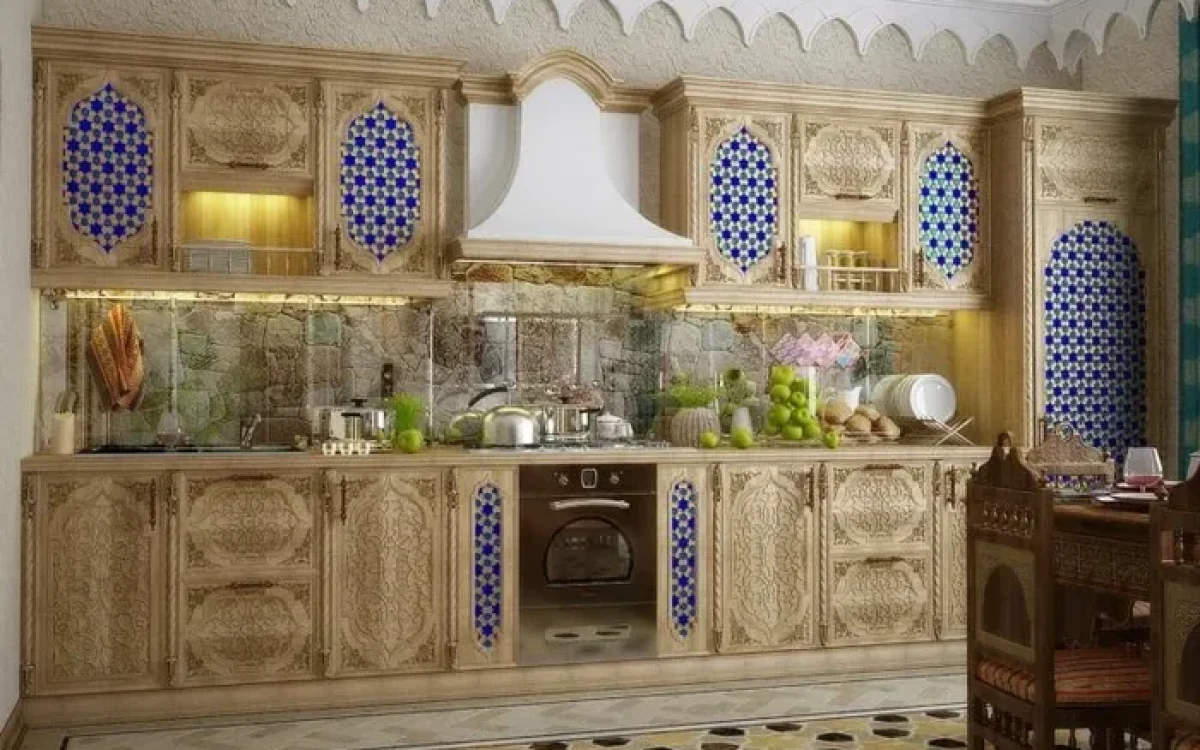
A far east kitchen blends Asian-inspired calm with modern function. You will learn how natural materials, clean lines, and warm tones create a peaceful cooking space. These design ideas work for any home size and budget. Transform your kitchen into a serene retreat with these proven tips.
A far east kitchen is more than just a cooking area. It is a space that brings peace, balance, and beauty into your daily life. When you walk into a well-designed far east kitchen, you feel calm immediately. The clean lines, natural materials, and thoughtful layout all work together to create something special.
More homeowners are falling in love with Asian kitchen design right now. Why? Because these spaces feel grounded and welcoming. They blend tradition with modern living in a way that just works. Whether you have a tiny apartment kitchen or a large open-plan space, far east kitchen ideas can transform your home.
In this guide, we will walk you through everything you need to know. You will discover the core elements, popular styles, materials, and practical tips. We will also share budget-friendly ideas and common mistakes to avoid. By the end, you will have a clear picture of how to create your own far east kitchen at home.
Key Takeaways
- Far east kitchen design combines simplicity, natural materials, and peaceful energy for a truly calming space.
- Key elements like wood accents, stone surfaces, and sliding doors define the Asian kitchen aesthetic.
- Popular styles include Japanese minimalism, Chinese traditional, and modern Zen kitchen layouts.
- Budget-friendly tips make it easy to add far east kitchen touches without a full renovation.
- Common mistakes like clutter and harsh lighting can ruin the serene feel of a far east kitchen.
- Color palettes and natural textures are the foundation of any successful Asian kitchen design.
📑 Table of Contents
- What Makes a Far East Kitchen Unique
- Key Elements of Far East Kitchen Design
- Popular Far East Kitchen Styles
- Materials and Colors for a Far East Kitchen
- How to Create a Far East Kitchen on a Budget
- Common Mistakes to Avoid in a Far East Kitchen
- Bringing It All Together: Your Far East Kitchen Journey
What Makes a Far East Kitchen Unique
A far east kitchen stands apart from Western kitchen designs. The difference comes down to philosophy. In Asian design, the kitchen is not just a place to cook. It is a space for mindfulness, connection, and harmony. Every element has a purpose and a place.
Unlike busy, cluttered kitchen layouts, a Zen kitchen embraces empty space. The idea is simple: less is more. You keep only what you need and love. This creates a feeling of openness and calm. Even small far east kitchens can feel spacious and airy when you follow this principle.
The Role of Balance and Harmony
Balance is at the heart of far east kitchen design. You will notice that every item feels intentionally placed. There is a sense of order without feeling rigid. This balance comes from pairing opposites in a gentle way.
For example, you might mix rough stone with smooth wood. Or you might pair dark cabinets with light countertops. These contrasts create visual interest without chaos. The goal is a space that feels both grounded and lively at the same time.
Connection to Nature
One of the most important ideas in a Japanese kitchen style is the connection to nature. Natural light flows freely through the space. Indoor plants bring life and color. Materials like wood, bamboo, and stone remind you of the natural world.
Many far east kitchens also feature a window seat or a small herb garden. These touches make the space feel alive. They connect your daily cooking routine to the outdoors. Even adding a few potted herbs can bring this feeling to your kitchen.
Key Elements of Far East Kitchen Design
Now let us look at the specific elements that make up a far east kitchen. These building blocks are what give the style its signature look and feel. You do not need all of them, but using several together creates a cohesive design.
Natural Materials
Wood is the star of most far east kitchen designs. Light-toned woods like bamboo, pine, and oak are very popular. They bring warmth and texture to the space. You will often see wood used for cabinets, shelving, and countertops.
Stone is another key material. Granite or marble countertops add a natural elegance. Stone backsplashes bring a rustic yet refined feel. Together, wood and stone create the grounded look that defines Asian kitchen design.
- Bamboo: Sustainable and warm, perfect for shelving and flooring.
- Wood: Light-toned woods work best for cabinets and accents.
- Stone: Granite, marble, or slate for countertops and backsplashes.
- Rice paper: Used in sliding doors and lamp shades for soft light.
Color Palettes
Far east kitchens rely on soft, natural colors. The palette is usually calm and understated. Neutral tones dominate, with occasional pops of color for interest.
The most common colors include:
- White and cream: These create a clean, bright base.
- Warm wood tones: They add depth and coziness.
- Soft grays and beiges: These work beautifully for walls and floors.
- Black accents: Used sparingly for contrast and definition.
- Red or gold touches: Inspired by Chinese tradition, these add energy.
Keeping your color palette simple is essential. Too many colors will break the peaceful feeling. Stick to two or three main tones and let the natural textures do the talking.
Clean Lines and Open Layouts
Far east kitchen design loves clean, uncluttered lines. Cabinets are often flat-panel with simple cabinet hardware. Open shelving replaces upper cabinets in many designs. This keeps the space feeling light and open.
The layout usually follows a logical flow. The cooking area, prep space, and cleaning zone are clearly defined but connected. An island kitchen with a simple wooden countertop fits perfectly into this style. The island serves as a gathering spot and an extra prep area.
Lighting That Sets the Mood
Lighting in a far east kitchen is soft and layered. Harsh overhead lights are avoided. Instead, you will find a mix of natural light, pendant lights, and subtle under-cabinet LEDs.
Pendant lights made of paper, bamboo, or simple metal are very common. They hang low over the island or dining area and cast a warm glow. Recessed lighting works well for general illumination without adding visual clutter.
Here are some lighting tips for your far east kitchen:
- Use warm white bulbs to create a cozy atmosphere.
- Add dimmer switches to control the light level throughout the day.
- Place a paper lantern or two for an authentic touch.
- Let natural light in through large windows or sliding doors.
Popular Far East Kitchen Styles
There is no single “far east kitchen” style. The design spans many cultures and regions. Each style brings its own character while sharing common principles. Let us explore the most popular ones.
Japanese Minimalist Kitchen
The Japanese minimalist kitchen is all about simplicity and function. Every item has a place, and nothing is extra. The minimalist kitchen aesthetic uses a limited color palette, usually whites, grays, and natural wood tones.
Key features include:
- Flat-panel cabinets with hidden cabinet hardware.
- Open shelving made of light wood.
- A wok station or built-in induction cooktop.
- Sliding doors made of wood and rice paper.
- A deep farmhouse sink in ceramic or fireclay.
Japanese kitchens often include a tea bar or a small area for preparing matcha. This adds a personal and cultural touch to the space. The overall feel is serene, orderly, and deeply calming.
Chinese Traditional Kitchen
A Chinese traditional kitchen brings rich history and bold details into the home. Red and gold are signature colors here. You will often see ornate cabinet hardware with brass or bronze finishes.
Wooden furniture with carved details is common. The kitchen island might feature a solid wood top with traditional motifs. Red lacquer cabinets add a luxurious and festive feel to the space.
Chinese kitchen design also values the feng shui principles. The stove placement, sink position, and overall layout are carefully considered. The goal is to create a space where energy flows freely and positively.
Modern Zen Kitchen
The modern Zen kitchen is a contemporary take on traditional Asian design. It keeps the calm and balanced feel but adds a sleek, updated twist. Clean lines, hidden storage, and high-tech appliances blend seamlessly.
This style works well for homeowners who want the far east kitchen feel but with a modern edge. Think matte black cabinet hardware, concrete countertops, and minimalist pendant lights. The result is a space that feels both peaceful and sophisticated.
Scandinavian-Asian Fusion
In recent years, a Scandinavian-Asian fusion style has become very popular. It mixes the lightness of Nordic design with the warmth of Asian aesthetics. The result is a bright, airy kitchen that feels both cozy and elegant.
You will see this style in many open shelving setups with white-painted wood. Natural light floods in through large windows. The palette stays light, with soft grays, whites, and pale wood tones dominating.
Materials and Colors for a Far East Kitchen
Choosing the right materials and colors is one of the most important decisions you will make. These choices set the tone for the entire space. Let us break down what works best for a far east kitchen.
Best Materials
| Material | Best Used For | Vibe It Creates |
|---|---|---|
| Bamboo | Flooring, shelving, cabinet fronts | Warm, sustainable, and natural |
| Light Wood | Cabinets, countertops, open shelves | Bright, inviting, and grounded |
| Natural Stone | Countertops, backsplashes, flooring | Elegant, durable, and earthy |
| Ceramic | Sinks, tiles, decorative pieces | Traditional, handcrafted, and warm |
| Rice Paper | Sliding doors, window shades, light fixtures | Soft, diffused, and peaceful |
| Concrete | Countertops, floors, accent walls | Modern, sleek, and industrial |
Each material brings its own character to the space. You do not need to use all of them. Pick two or three that match your taste and budget. Mixing natural wood with stone, for example, creates a classic far east kitchen look.
Color Combinations That Work
Successful far east kitchens use color thoughtfully. Here are some combinations that work beautifully together:
- White and natural wood: The most classic and timeless pairing.
- Gray and black with wood accents: A modern, moody look.
- Cream and soft red: Inspired by Chinese tradition, bold yet warm.
- Beige and sage green: A calming, nature-inspired palette.
- All white with black hardware: Clean, sharp, and very Zen.
Remember that texture matters just as much as color in a far east kitchen. A rough stone wall next to a smooth wooden shelf creates visual depth. The interplay of textures makes the space feel rich and layered.
How to Create a Far East Kitchen on a Budget
You do not need a huge budget to bring far east kitchen design into your home. Many of the most impactful changes are affordable and easy to do. Here are some practical ways to get started.
Small Changes That Make a Big Difference
Start with the easiest updates first. These small changes set the foundation for your far east kitchen transformation:
- Swap out cabinet hardware: Replace old knobs with simple brass or matte black pulls. This single change instantly updates the look.
- Add open shelving: Replace one upper cabinet section with a light wood open shelf. It adds the open feel that defines Asian kitchen design.
- Paint the walls: A soft white or warm beige wall creates the perfect backdrop. This is one of the most budget-friendly updates you can make.
- Bring in plants: A few green plants add life and freshness. Bamboo plants are especially fitting for a far east kitchen.
- Change the lighting: Swap harsh overhead lights for warm pendant lights or paper lanterns. This changes the entire mood of the room.
DIY Projects for a Far East Feel
If you enjoy hands-on projects, there are many DIY options to explore. Building simple open shelves from bamboo or pine is a great weekend project. You can also create a wok station area with a small countertop and a strong burner.
Another popular DIY idea is a tea bar corner. Use a small shelf or cart, add a few ceramic cups, and display your favorite teas. This adds both function and cultural charm to your far east kitchen. It is a small touch that makes a big impact.
Where to Splurge and Where to Save
Not all investments need to be expensive. Here is a simple guide:
- Splurge on: Quality countertops and a good range hood. These are the elements you use every day.
- Save on: Decorative items, open shelving, and lighting fixtures. These can be found at affordable home stores.
- DIY on: Painting, hardware swaps, and plant arrangements. These cost very little but look amazing.
Common Mistakes to Avoid in a Far East Kitchen
Even with the best intentions, it is easy to make mistakes when designing a far east kitchen. Avoiding these common pitfalls will help you create a space that feels authentic and peaceful.
Too Much Clutter
The biggest enemy of a far east kitchen is clutter. The entire design philosophy is built on simplicity and open space. If your countertops are covered with appliances and your shelves are stuffed, the calm feeling disappears.
Keep your surfaces clear. Store items you do not use daily in closed cabinets. Use open shelving only for a few beautiful, meaningful items. Remember, empty space is just as important as filled space in this design style.
Wrong Lighting Choices
Harsh fluorescent lighting will ruin the far east kitchen vibe completely. The lighting should be warm, soft, and layered. Avoid bright white bulbs and opt for warm white tones instead.
Also, avoid placing lights in a way that creates harsh shadows. The goal is even, gentle illumination that makes the space feel welcoming. Use dimmer switches so you can adjust the light level based on the time of day and mood.
Ignoring the Flow
In far east design, the flow of the space matters greatly. The kitchen should feel easy to move through. Do not block pathways with furniture or appliances. Leave enough space between the kitchen island and the countertops for comfortable movement.
Think about how you move through the space while cooking. The work triangle between the stove, sink, and refrigerator should feel natural and unobstructed. Good flow creates a sense of calm and efficiency.
Overdoing the Theme
It is possible to go too far with the far east kitchen theme. Adding too many Asian decorative items can make the space feel like a museum rather than a home. The design should feel natural and lived-in, not forced.
Choose a few meaningful pieces and let them shine. A single bamboo screen, a ceramic vase with a single branch, or a calligraphy piece on the wall can be enough. Let the materials and colors do most of the storytelling.
Bringing It All Together: Your Far East Kitchen Journey
Creating a far east kitchen is a journey, not a single project. It is about slowly building a space that reflects peace, balance, and beauty. Start with the basics, and let the design evolve naturally over time.
Focus on the elements that matter most to you. Maybe it is the natural materials. Maybe it is the calming color palette. Or maybe it is the open, clutter-free layout. Whatever draws you in, start there and build from it.
The beauty of far east kitchen design is that it adapts to any home. You can go all in with a full renovation, or you can add small touches over time. Both approaches create a space that feels authentic and personal. The key is to stay true to the principles of simplicity, harmony, and connection to nature.
Your kitchen is where you start every day. It should feel like a place of peace and creativity. A well-designed far east kitchen does exactly that. It gives you a space to cook, think, relax, and connect with the people you love. Start your far east kitchen journey today, and enjoy the transformation.
Frequently Asked Questions
What is a far east kitchen design?
A far east kitchen design draws inspiration from Asian cultures, especially Japanese, Chinese, and Korean styles. It emphasizes natural materials, clean lines, and a peaceful atmosphere. The goal is to create a kitchen that feels balanced, harmonious, and connected to nature.
What are the best materials for a far east kitchen?
Bamboo, light wood, natural stone, ceramic, and rice paper are the most popular materials. They bring warmth, texture, and an authentic Asian feel to the space. Combining two or three of these materials creates a cohesive and grounded look.
How can I add a far east kitchen feel on a budget?
Start with small, affordable changes like swapping cabinet hardware, adding open shelving, and changing the lighting. Bring in plants and paint the walls a soft neutral tone. These low-cost updates can transform your kitchen into a far east-inspired space.
What colors work best in a far east kitchen?
Neutral tones like white, cream, beige, and warm wood colors are the foundation. Black is used sparingly for contrast. Red and gold touches inspired by Chinese tradition can add energy and cultural depth. Keep the palette simple and cohesive.
How do I avoid clutter in a far east kitchen?
Follow the minimalist principle of keeping only what you need and love. Use closed cabinets for most storage and limit open shelving to a few beautiful items. Keep countertops clear and choose furniture with hidden storage. Empty space is just as important as filled space.
Can I mix far east kitchen style with modern design?
Absolutely. The modern Zen kitchen style is a perfect example of this blend. You can pair clean contemporary lines with traditional Asian materials like wood and stone. The key is to keep the overall palette calm and the layout uncluttered for a seamless look.
=== CONCLUSION ===
A far east kitchen brings a sense of calm, beauty, and purpose to any home. It is a design style that has stood the test of time and continues to inspire homeowners around the world. From the natural materials to the peaceful color palettes, every element works together to create a space you will love spending time in.
Remember that your far east kitchen does not need to be perfect. It needs to feel right for you. Start with the elements that speak to you, make thoughtful choices, and let the space grow with you. Whether you are doing a full renovation or adding a few simple touches, the principles of simplicity, harmony, and natural beauty will guide you.
Now that you have all the ideas and inspiration you need, it is time to take action. Pick one area of your kitchen to start with and begin building your far east kitchen today. You will be amazed at how a few intentional changes can transform your space into a peaceful retreat you enjoy every single day.