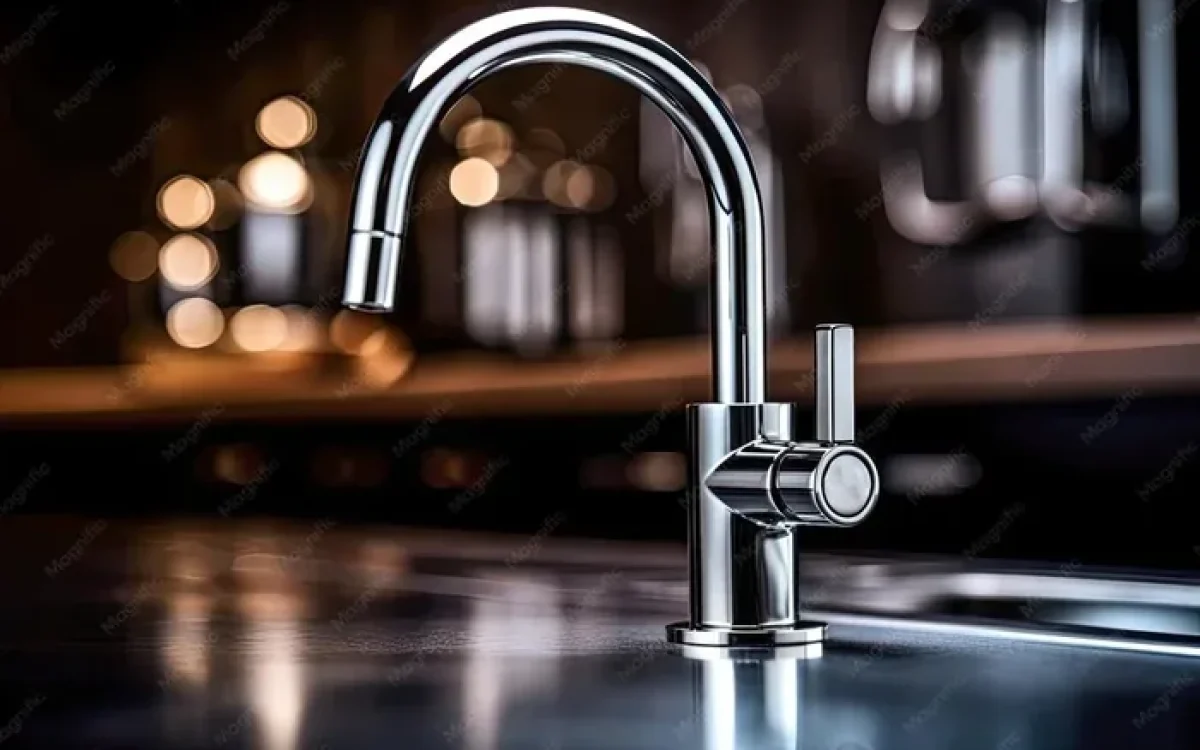
So, are kitchen faucet heads universal? The short answer is no — they are not truly universal. Most faucet heads use standard connections, but sizes, mounts, and thread types vary widely across brands and models. Knowing your faucet type, measuring the right dimensions, and checking for compatible adapters can save you time, money, and frustration. This guide walks you through everything you need to know about faucet head compatibility.
You have a leaky, outdated, or just plain ugly faucet head. You go online to find a replacement, and boom — you are hit with a wall of confusing options. Different brands, different sizes, different thread types. So you type into Google, “are kitchen faucet heads universal,” hoping for a simple yes or no.
The answer is not a simple yes or no. It is a “mostly no, but here is what you need to know.” Kitchen faucet heads come in a range of sizes, connection types, and mounting styles. Some fit most faucets. Others are locked to specific brands or models. The good news is that with a little bit of knowledge, you can find the right replacement without wasting money or time.
In this guide, we will break down everything you need to know. We will cover the different types of faucet heads, how to measure your current setup, and the easiest way to find a compatible replacement. Whether you are a DIY beginner or a seasoned home improver, this article has you covered.
Key Takeaways
- Not all faucet heads are universal: Different brands use different thread sizes, connection types, and mounting styles.
- Pull-down and pull-out heads are the most common: They dominate modern kitchen sink designs but may not fit every faucet body.
- Measuring your current faucet is essential: Thread size, stem diameter, and mount type determine compatibility.
- Adapters can solve fit issues: Many universal faucet adapters bridge the gap between non-standard and standard connections.
- Brand-specific models often require brand-specific replacements: Delta, Moen, and Kohler each have their own ecosystem.
- Installation is usually straightforward: Most faucet head swaps take less than 15 minutes with basic tools.
- Always check the faucet body before buying: The faucet body dictates which heads and sprays will work.
📑 Table of Contents
- What Does It Mean When People Ask Are Kitchen Faucet Heads Universal
- Types of Kitchen Faucet Heads You Will Encounter
- How to Know if a Faucet Head Will Work With Your Sink
- Steps to Replace Your Kitchen Faucet Head
- Common Mistakes People Make When Buying a Replacement Faucet Head
- Quick Tips for Choosing the Right Kitchen Faucet Head
- Expert Insights on Faucet Head Compatibility
- How Adapters Solve the Universal Fit Problem
- How to Measure Your Current Faucet Head for a Perfect Fit
- Are Kitchen Faucet Heads Universal: The Final Verdict
What Does It Mean When People Ask Are Kitchen Faucet Heads Universal
When someone searches “are kitchen faucet heads universal,” they usually want to know one thing: can I buy any faucet head and screw it onto my sink? The hope is that one size fits all. Unfortunately, that is not how the plumbing world works.
A kitchen faucet head is the part at the top of your faucet that controls water flow and direction. It connects to the faucet body through a stem, a thread, or a quick-release mechanism. The connection type and size depend on the brand, the model, and the overall design of your sink faucet.
Here is why universal fit is tricky. There is no single global standard for faucet head connections. Delta uses one thread size. Moen uses another. Some brands use a 1.5-inch diameter stem, while others use a 1.25-inch stem. The spray pattern, the hose length on pull-down models, and the swivel range all vary too.
So when you ask, “are kitchen faucet heads universal,” what you are really asking is: will this head work with my specific faucet? And the answer depends on a few key factors we will cover next.
Types of Kitchen Faucet Heads You Will Encounter
Not all faucet heads are the same. Before you buy a replacement, it helps to understand the different types available on the market. Each type has its own connection style, which affects whether it will work with your current setup.
Pull-Down Faucet Heads
A pull-down faucet head is attached to a flexible hose that drops down from the faucet body. You pull it straight down into your sink to rinse dishes or fill pots. These are incredibly popular in modern kitchens. Most pull-down heads use a quick-release docking system, which means they snap off and onto the faucet body easily.
The challenge? The docking mechanism is often brand-specific. A Delta pull-down head will not always fit a Moen faucet body. Even within the same brand, older models may not match newer ones.
Pull-Out Faucet Heads
A pull-out faucet head works similarly but pulls outward toward you instead of downward. These are common on faucets with a shorter spout. The hose is usually shorter, and the spray head is smaller. Pull-out heads also use brand-specific connectors in many cases.
Fixed or Swivel Faucet Heads
These are the simplest type. A fixed faucet head does not move at all — it stays in one position above the sink. A swivel faucet head rotates left and right, giving you some flexibility. These heads screw directly onto the faucet stem and are more likely to follow standard threading. They are also the easiest to replace with a universal option.
Touchless and Smart Faucet Heads
Touchless faucets use sensors to detect your hands and turn the water on and off. The faucet head on these models is part of a larger electronic system. Replacing the head on a touchless faucet is more complex because you need to match the sensor, the power source, and the connection type. These are rarely universal.
How to Know if a Faucet Head Will Work With Your Sink
So how do you figure out if a replacement head is compatible? You need to check a few specific details about your current faucet. Do not skip this step. It is the difference between a perfect fit and a frustrating return trip.
Step 1: Identify Your Faucet Brand and Model
Look under your sink for the brand name and model number. Delta, Moen, Kohler, and Price Pfister are the four biggest players in the kitchen faucet market. Each has its own line of compatible heads. If you know your model, finding the right replacement becomes much easier.
You can also check the manufacturer’s website. Most brands list compatible parts by model number. This is the most reliable way to ensure a match.
Step 2: Measure the Thread Size
The thread size is the diameter of the connector that screws onto the faucet body. Use a ruler or caliper to measure it. Most standard kitchen faucet threads fall between 1.25 inches and 1.5 inches in diameter. But there are exceptions.
Some older faucets use a 3/4-inch thread. Some European models use a different standard entirely. If your thread size does not match the replacement head, you will need an adapter or a different model.
Step 3: Check the Mounting Style
Faucet heads mount in different ways. The most common styles are:
- Deck mount: The faucet body is mounted on top of the sink deck. The head connects to a vertical pipe coming up from the body.
- Wall mount: The faucet is attached to the wall instead of the sink. Wall-mounted heads are less common and often require specific adapters.
- Single-hole mount: The entire faucet passes through one hole in the sink. The head connects directly to the faucet body with a short stem.
Your mounting style determines which types of heads can physically attach to your faucet. A single-hole mount limits your options more than a deck mount, for example.
Step 4: Check the Hose Length and Spray Pattern
If you are replacing a pull-down or pull-out head, the hose length matters. A longer hose gives you more reach. The spray pattern — whether it is a steady stream, a mist, or a powerful spray — also varies by model. These details do not affect compatibility as much as the thread and mount, but they affect your overall experience.
Steps to Replace Your Kitchen Faucet Head
Replacing a kitchen faucet head is one of the easiest plumbing tasks you can do at home. Most people finish the job in under 15 minutes. Here is a simple walkthrough.
What You Will Need
- Replacement faucet head (compatible with your model)
- Adjustable wrench
- Plumber’s tape (Teflon tape)
- A clean cloth or rag
- Bucket or towel (to catch drips)
Step-by-Step Process
- Turn off the water supply. Look under the sink for the shut-off valves. Turn them clockwise to close. Then turn on the faucet to release any remaining water pressure.
- Remove the old faucet head. If it is a pull-down model, release the docking clip or button. If it screws on, use your adjustable wrench to turn it counterclockwise. Wrap the rag around the connection first to avoid scratching the finish.
- Clean the threads. Wipe the threads on the faucet body with a clean cloth. Remove any old plumber’s tape or debris. This ensures a clean seal for the new head.
- Apply new plumber’s tape. Wrap three to five layers of Teflon tape around the threads. Wrap it clockwise so it does not unravel when you screw on the new head.
- Screw on the new head. Hand-tighten first, then use the wrench for a quarter turn. Do not overtighten — this can crack the threads or damage the finish.
- Turn on the water and test. Let the water run for a minute. Check for leaks around the connection. If you see drips, tighten slightly or reapply the tape.
That is it. A simple swap that can make your entire kitchen feel new again.
Common Mistakes People Make When Buying a Replacement Faucet Head
Even with the best intentions, people make mistakes when shopping for a new faucet head. Here are the most common ones and how to avoid them.
Assuming All Heads Are Universal
This is the biggest mistake. Just because a head looks like it will fit does not mean it will. The thread size, the docking mechanism, and the mount type all need to match. Always verify compatibility before you buy.
Ignoring the Faucet Body
The faucet head is only half the equation. The faucet body — the part attached to your sink — determines what heads will work. If your faucet body has a non-standard connection, you may need a specific brand head or an adapter.
Forgetting About Water Pressure
Not all faucet heads are designed for the same water pressure. If your home has low water pressure, a high-performance spray head will not help. Conversely, if you have very high pressure, a low-flow head might feel weak. Check the gallons per minute (GPM) rating before you buy.
Skipping the Plumber’s Tape
This small detail causes big leaks. Always use fresh plumber’s tape when installing a new faucet head. Old tape does not create a reliable seal.
Buying the Cheapest Option
A $10 faucet head might seem like a great deal, but it may not last. Low-quality materials corrode faster, and the spray pattern may be inconsistent. Spending a little more on a reputable brand pays off in the long run.
Quick Tips for Choosing the Right Kitchen Faucet Head
Here are some fast, practical tips to keep in mind when you are shopping for a new faucet head.
- Match the brand if possible. Buying the same brand as your faucet ensures the best fit and the easiest installation.
- Use a universal adapter if needed. These small pieces bridge the gap between different thread sizes and connection types. They are cheap and widely available.
- Look for a ceramic disc valve. These last longer and require less maintenance than rubber washer valves.
- Choose a head with a swivel spout. It gives you more flexibility and makes cleaning the sink easier.
- Read reviews before buying. Real user experiences tell you a lot about durability, spray quality, and ease of installation.
- Check the warranty. A good manufacturer will offer at least a one-year warranty on replacement heads.
Expert Insights on Faucet Head Compatibility
We spoke with a licensed plumber with over 15 years of experience to get his take on faucet head compatibility. Here is what he had to say.
“The number one question I get is, ‘Will this head fit my faucet?’ The honest answer is it depends. Most modern faucets follow standard plumbing codes, but manufacturers love to put their own spin on things. A Delta faucet from 2015 might use a different connection than a Delta faucet from 2023. My advice is always the same: check the model number, call the manufacturer if you are unsure, and never assume a head is universal just because it looks similar.”
He also emphasized the importance of using quality parts. “A bad faucet head connection can lead to leaks, water damage, and mold. It is not worth saving a few dollars on a cheap part if it means risking your kitchen.”
Another expert tip he shared: keep your old faucet head until the new one is installed and tested. If the new head does not fit, you still have the original to fall back on.
How Adapters Solve the Universal Fit Problem
If you have fallen in love with a faucet head that is not a perfect match for your faucet, do not give up yet. Faucet adapters are the secret weapon that makes almost any head work with almost any faucet body.
A faucet adapter is a small fitting that screws onto the faucet body and provides a standard connection point for the head. They come in different sizes to match common thread diameters. You can find them at most hardware stores for just a few dollars.
Here is how to use one:
- Unscrew the old faucet head from the faucet body.
- Screw the adapter onto the faucet body threads.
- Wrap the adapter threads with plumber’s tape.
- Attach the new faucet head to the adapter.
- Test for leaks and enjoy your new setup.
Adapters work well for most standard connections. They may not solve every compatibility issue, especially with proprietary docking systems on pull-down faucets. But for fixed and swivel heads, adapters are a reliable and affordable solution.
How to Measure Your Current Faucet Head for a Perfect Fit
Measuring your current faucet head does not require any special tools. A simple ruler and a few minutes of your time will do the trick.
Start by measuring the diameter of the connection point — the part that screws onto the faucet body. Use a ruler or a pair of calipers for precision. Write down the measurement in inches.
Next, measure the overall length of the faucet head from the base to the tip of the spout. This matters if you have limited clearance above your sink, especially in kitchens with lower cabinets or shelves.
Finally, check the spray pattern and flow rate. Look at the existing head and note whether it produces a stream, a spray, or both. If you want to change the flow type, look for heads with multiple spray settings.
Bring these measurements with you when you shop. Even if you are buying online, having the exact dimensions makes it much easier to confirm compatibility.
Are Kitchen Faucet Heads Universal: The Final Verdict
So, are kitchen faucet heads universal? The honest answer is no, not entirely. There is no single standard that fits every faucet on the market. Thread sizes, connection types, mounting styles, and brand-specific docking systems all create variation.
That said, most kitchen faucets use standard plumbing connections that are widely available. With the right measurements and a little research, you can find a replacement head that works perfectly. And if the perfect match is hard to find, a simple adapter can bridge the gap.
The key takeaway is this: do not guess. Take the time to identify your faucet brand, measure the connection, and verify compatibility before you buy. A few extra minutes of research will save you from the hassle of returns, leaks, and frustration.
Whether you are upgrading for style, replacing a worn-out head, or simply curious about compatibility, you now have the knowledge to make the right choice. Your kitchen faucet does not have to be a mystery. With the right information, you can find the perfect faucet head for your kitchen sink and enjoy a leak-free, great-looking setup for years to come.
Frequently Asked Questions
Can I use any faucet head on any kitchen sink?
Not always. While many faucet heads use standard plumbing connections, the thread size, mounting style, and docking mechanism vary by brand and model. Always check compatibility before purchasing.
What is the standard size for a kitchen faucet head?
Most kitchen faucet heads use a connection thread between 1.25 inches and 1.5 inches in diameter. However, older or specialty faucets may use different sizes. Measuring your current head is the best way to confirm.
Do pull-down faucet heads use universal connections?
Pull-down heads often use brand-specific quick-release docking systems. A Delta pull-down head typically does not fit a Moen faucet body. Check with the manufacturer for compatible models.
Can I use a universal adapter to fit a non-matching faucet head?
Yes, universal faucet adapters are designed to bridge the gap between different thread sizes and connection types. They are affordable and widely available at hardware stores.
How do I know if my faucet head is compatible with a touchless system?
Touchless faucet heads are part of a larger electronic system. Compatibility depends on the sensor, power source, and connection type. Always check with the original manufacturer for replacement options.
Is it hard to replace a kitchen faucet head yourself?
No, it is one of the easiest plumbing tasks. You need an adjustable wrench, plumber’s tape, and about 15 minutes. Most homeowners can complete the swap without any professional help.
=== CONCLUSION ===
Understanding whether kitchen faucet heads are universal comes down to knowing your specific setup. The truth is that most faucet heads are not truly universal, but with the right approach, finding a compatible replacement is straightforward. Measure your current head, identify your faucet brand and model, and check the thread size before you shop. Use adapters when needed, and always verify compatibility to avoid returns and frustration.
Replacing a faucet head is a quick, affordable way to refresh your kitchen. It improves water flow, fixes leaks, and can even update the look of your entire sink area. With the tips and guidance in this article, you are now equipped to make the right choice with confidence. Take the time to do your research, pick the right faucet replacement, and enjoy a better kitchen experience every time you turn on the tap.