The kitchen of India is a vibrant world of bold spices, ancient traditions, and regional diversity that has captivated food lovers for centuries. From the aromatic curries of the north to the coconut-rich dishes of the south, Indian cooking offers something for every palate. This guide walks you through the essential spices, techniques, and cultural roots that make the kitchen of India truly special. You will learn how to build a flavorful pantry, explore regional cuisines, and start cooking authentic Indian meals at home with confidence.
Key Takeaways
- Diverse Spice Palette: The kitchen of India relies on a rich mix of spices like turmeric, cumin, coriander, and cardamom that create complex flavor profiles.
- Regional Variety: Every region in India brings unique ingredients and cooking styles, making the cuisine incredibly diverse and exciting.
- Traditional Techniques Matter: Methods like tempering spices in hot oil (tadka) and slow-cooking build deep, authentic flavors that define Indian food.
- Building a Spice Pantry Is Easy: You do not need a huge investment to start cooking Indian food. A few core spices go a long way.
- Health Benefits Are Real: Many spices used in the kitchen of India, like turmeric and ginger, offer powerful anti-inflammatory and digestive benefits.
- Cooking at Home Is Achievable: With the right guidance and basic ingredients, anyone can recreate beloved Indian dishes in their own kitchen.
📑 Table of Contents
What Makes the Kitchen of India So Special
When you step into the kitchen of India, you are not just cooking food. You are stepping into a tradition that stretches back thousands of years. Indian cuisine is one of the oldest and most diverse food cultures on the planet. Every dish tells a story of history, geography, and community.
The magic of the kitchen of India lies in its spices. Spices are not just ingredients. They are the soul of Indian cooking. A single dish can contain ten or more spices, each one adding its own layer of flavor. This is what makes Indian food so complex and so irresistible.
People around the world love Indian food for a reason. The bold flavors, the vibrant colors, and the amazing aromas all work together to create a dining experience like no other. Whether you are a beginner or an experienced cook, exploring the kitchen of India is a journey worth taking.
The beauty of Indian cooking is that it does not require fancy equipment. You need a good pan, fresh ingredients, and a willingness to experiment. That is all it takes to start creating delicious meals that transport you straight to the streets of Mumbai or the villages of Kerala.
A Cuisine Shaped by History
Indian food has been shaped by centuries of trade, invasion, and cultural exchange. The Mughals brought rich, slow-cooked curries. The Portuguese introduced chili peppers and potatoes. The British left their mark on tea culture. All of these influences merged together to create the vibrant cuisine we know today.
This history is why the kitchen of India is so diverse. You can find Persian-influenced biryanis in Hyderabad, Portuguese-influenced vindaloo in Goa, and British-influenced kedgeree in Kolkata. Every region has its own unique twist that reflects its past.
Essential Spices That Define Indian Cooking
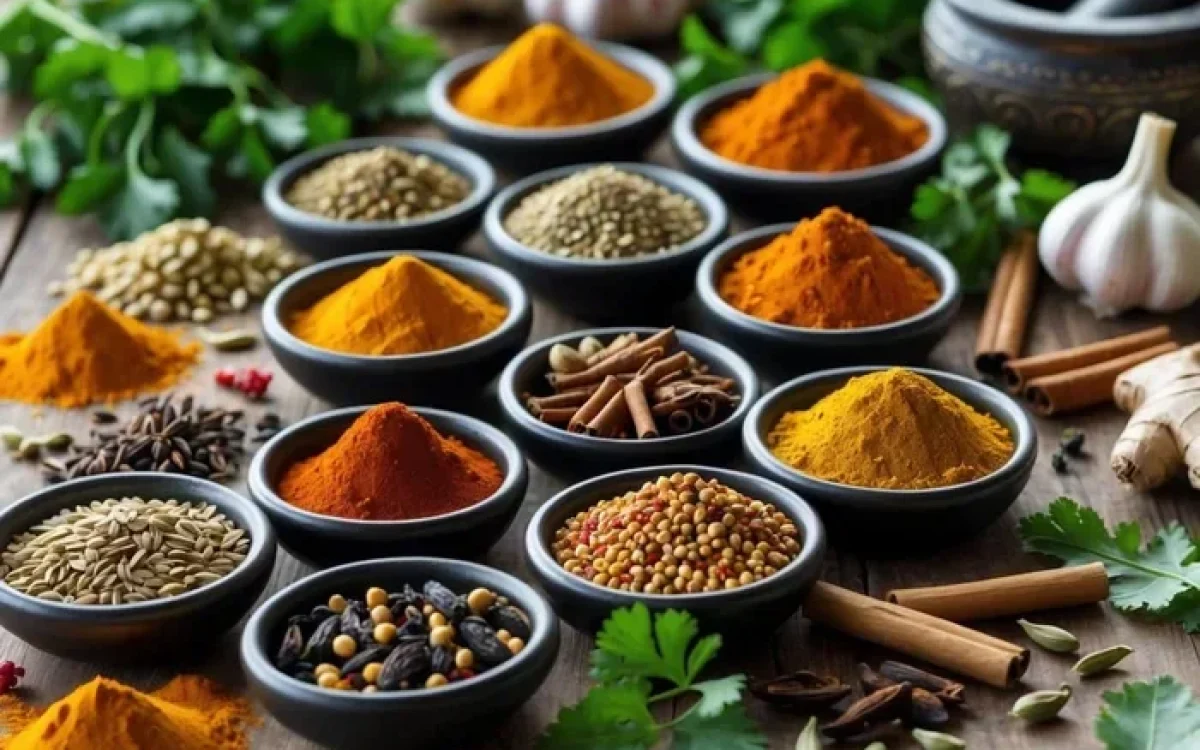
No guide to the kitchen of India is complete without talking about spices. Spices are the building blocks of every Indian dish. They create the flavors, the colors, and the aromas that make Indian food so memorable. Understanding these spices is the first step to mastering Indian cooking.
The Core Spices Every Kitchen Needs
Here are the essential spices you should stock in your kitchen of India:
- Turmeric – This golden spice adds color and earthy flavor. It is used in almost every Indian dish. Turmeric also has powerful health benefits.
- Cumin – Cumin has a warm, nutty flavor. It is used in spice blends, tadka, and marinades. It is one of the most important spices in the kitchen of India.
- Coriander – Both the seeds and fresh leaves are used. Ground coriander adds a mild, citrusy flavor to curries and spice mixes.
- Cardamom – This sweet, floral spice is used in both sweet and savory dishes. It is a key ingredient in chai and biryani.
- Mustard Seeds – These tiny seeds pop when heated in oil. They add a nutty, slightly pungent flavor to South Indian dishes.
- Red Chili Powder – This brings heat to many Indian dishes. The level of spiciness varies depending on the type of chili used.
- Garam Masala – This is a blend of warm spices like cinnamon, cloves, and black pepper. It is added at the end of cooking for a fragrant finish.
How to Use Spices Like a Pro
Using spices correctly makes all the difference in Indian cooking. One of the most important techniques is called tadka, which means tempering. You heat oil or ghee and add whole spices like mustard seeds, cumin seeds, and curry leaves. The spices crackle and release their flavors into the oil. Then you pour this flavored oil over your dish.
Another key technique is bloom spices. This means heating ground spices in oil for a short time before adding other ingredients. Blooming wakes up the essential oils in the spices and brings out their full flavor. This simple step can elevate your cooking from ordinary to restaurant quality.
Always store your spices in airtight containers away from heat and light. Fresh spices make a huge difference in taste. Old, stale spices will give your food a dull flavor. If you buy whole spices, toast them lightly before grinding for the best results.
Quick Tips for Using Spices
- Buy whole spices when possible and grind them fresh.
- Toast whole spices in a dry pan before grinding.
- Add ground spices early in cooking for deep flavor.
- Add garam masala at the end for a bright, aromatic finish.
- Use a little spice at a time and taste as you go.
Regional Flavors Across India
One of the most exciting things about the kitchen of India is how different each region is. India is a huge country with many climates, languages, and cultures. And each region has its own unique food style. You could spend a lifetime exploring all the different regional cuisines and still not try everything.
North Indian Cuisine
North Indian food is rich, hearty, and full of cream and butter. Think butter chicken, naan bread, and creamy curries. The cuisine in places like Punjab and Uttar Pradesh uses a lot of dairy, wheat, and meat. Tandoori cooking is very popular here. Dishes are slow-cooked in clay ovens called tandoors, which gives them a smoky, charred flavor.
The spice blends in the north tend to be warm and aromatic. Garam masala is used frequently. Cumin, coriander, and turmeric are staples. Rich gravies made with tomatoes, onions, and cream are the backbone of many beloved north Indian dishes.
South Indian Cuisine
South Indian food is lighter, spicier, and often based on rice and coconut. The cuisine in Kerala, Tamil Nadu, Karnataka, and Andhra Pradesh is very different from the north. Dosas, idlis, and sambar are breakfast staples. Coconut oil, curry leaves, and mustard seeds are used extensively.
Andhra Pradesh is known for its fiery hot food. The cuisine uses lots of red chilies and tamarind. Kerala cuisine, on the other hand, is more subtle and uses coconut milk, seafood, and aromatic spices. The flavors in the south are bold but balanced.
East and West Indian Cuisine
Eastern India, including Bengal and Odisha, is famous for its fish dishes and sweets. Bengali food uses mustard oil and panch phoron, a five-spice blend. Western India, including Maharashtra and Gujarat, has a mix of coastal and inland cooking. Goan food is influenced by Portuguese cuisine and features vinegar, seafood, and coconut.
| Region | Key Ingredients | Signature Dish | Flavor Profile |
|---|---|---|---|
| North India | Dairy, wheat, ghee | Butter Chicken | Rich, creamy, aromatic |
| South India | Rice, coconut, curry leaves | Dosa with Sambar | Light, tangy, spicy |
| East India | Mustard oil, fish, rice | Fish Curry | Pungent, savory, sweet |
| West India | Coconut, seafood, vinegar | Vindaloo | Spicy, tangy, bold |
| Central India | Lentils, wheat, dairy | Dal Bafla | Hearty, earthy, smoky |
Traditional Cooking Techniques
The kitchen of India uses techniques that have been passed down through generations. These methods are what give Indian food its distinctive character. Learning a few of these techniques will help you cook more authentic Indian meals at home.
Tadka (Tempering)
Tadka is one of the most important techniques in Indian cooking. It involves heating oil or ghee and adding whole spices, herbs, or aromatics. The hot oil releases the flavors from the spices and infuses the entire dish. You can add a tadka to dal, rice, yogurt, or even a simple salad.
The process is simple but powerful. Heat a small pan with ghee or oil. Add mustard seeds and wait for them to pop. Then add cumin seeds, curry leaves, dried red chilies, and asafoetida. Pour this mixture over your dish just before serving. It adds an incredible burst of flavor.
Slow Cooking and Dum
Many iconic Indian dishes are cooked slowly over low heat. This technique, called dum, involves sealing the pot and letting the food cook in its own steam. Biryani is the most famous example of dum cooking. The rice and meat slowly absorb each other’s flavors over several hours.
Slow cooking develops deep, complex flavors that you cannot rush. It allows the spices to meld together and create a harmonious taste. If you want authentic biryani or nihari, patience is the key ingredient.
Grinding and Paste Making
Indian cooking relies heavily on fresh pastes and grinding. Many curry bases start with onions, ginger, garlic, and tomatoes ground into a smooth paste. In South India, coconut and spices are ground into a paste for chutneys and curries.
A traditional stone grinder called a sil batta is still used in many Indian homes. The grinding process releases oils and flavors that a blender cannot fully replicate. But a modern blender works well too. The key is to grind until the paste is smooth and the flavors are fully released.
Fermentation
Fermentation is a traditional technique used across India. Dosa batter and idli batter are fermented overnight. This fermentation gives the food a slightly tangy flavor and makes it easier to digest. Fermented foods are also good for gut health, which is one reason why Indian food is so nourishing.
Common Mistakes to Avoid
- Using pre-ground spices instead of fresh whole spices.
- Adding spices too early or too late in the cooking process.
- Overcrowding the pan when frying spices, which prevents proper blooming.
- Skipping the tadka step, which misses a key layer of flavor.
- Not toasting whole spices before grinding them.
Building Your Own Indian Kitchen
You do not need a professional kitchen to cook amazing Indian food. With a few essential tools and the right ingredients, you can create restaurant-quality dishes at home. Let us walk through what you need to set up your own kitchen of India.
Essential Kitchen Tools
You do not need a lot of special equipment. A heavy-bottomed pan or Dutch oven is great for making curries. A small tempering pan is useful for tadka. A blender or food processor will handle most grinding tasks. A flat griddle or tawa is perfect for making roti and dosa.
If you want to go a step further, a tandoor oven or a tandoor-style indoor grill pan can help you make authentic tandoori dishes. But these are optional. Most Indian food can be made with basic pots and pans.
Pantry Essentials
Start with these pantry staples to build your Indian kitchen:
- Whole spices – cumin, coriander, turmeric, cardamom, mustard seeds
- Ground spices – chili powder, garam masala, amchur (dried mango powder)
- Fresh aromatics – ginger, garlic, onions, green chilies, curry leaves
- Staples – rice, lentils (dal), wheat flour, ghee or cooking oil
- Condiments – tamarind paste, coconut milk, yogurt, tomato paste
- Herbs – fresh cilantro, mint, dried fenugreek leaves (kasuri methi)
You do not need to buy everything at once. Start with the basics and expand your pantry as you explore more recipes. Over time, you will develop your own preferences and build a collection of spices and ingredients that work for you.
Easy Recipes to Start With
If you are new to the kitchen of India, start with simple recipes. A basic dal tadka is a great first dish. It uses lentils, a simple tadka of cumin and garlic, and a few spices. It is comforting, healthy, and incredibly easy to make.
Next, try a basic chicken curry or a vegetable curry. These teach you the fundamentals of building a curry base with onions, tomatoes, and spices. Once you are comfortable with these, you can move on to more complex dishes like biryani, samosas, and rogan josh.
Expert Insight
Many professional Indian chefs say that the secret to great Indian food is patience. Take your time toasting spices, frying onions until golden, and letting curries simmer. Rushing the process is the most common mistake home cooks make. Slow and steady wins the flavor game in the kitchen of India.
The Cultural Heart of Indian Food
Food in India is about much more than nutrition. It is about family, celebration, and community. In many Indian homes, cooking is a daily act of love. Grandmothers pass down recipes without ever writing them down. Spices are measured by feel and memory, not by spoons and scales.
Festivals in India are closely tied to food. During Diwali, families make sweets like laddoos and barfi. During Eid, rich biryanis and kebabs are prepared for feasts. During harvest festivals, special dishes are made to celebrate the season. Food brings people together in every celebration.
The kitchen of India also reflects the deep connection between food and wellness. Ayurveda, the ancient Indian system of medicine, has influenced Indian cooking for thousands of years. Many spices used in Indian food are valued for their healing properties. Turmeric is known for its anti-inflammatory benefits. Ginger aids digestion. Cumin supports gut health. This is why Indian food is often considered both delicious and nourishing.
Vegetarian Traditions
India has one of the largest vegetarian populations in the world. Many people in India choose not to eat meat for religious or cultural reasons. This has led to an incredible variety of vegetarian dishes. Lentils, legumes, vegetables, cheese, and grains are used to create hearty and flavorful meals.
Dishes like chana masala, paneer tikka, and aloo gobi are beloved around the world. But these are just the beginning. The vegetarian tradition in the kitchen of India is vast, creative, and deeply satisfying. You can eat a completely meat-free Indian diet and never feel like you are missing anything.
The Future of Indian Cooking
Indian food is evolving. Young chefs are putting modern twists on traditional dishes. Fusion restaurants are combining Indian flavors with global cuisines. At the same time, there is a growing movement to preserve traditional recipes and cooking methods. Both trends are healthy for the future of Indian food.
Social media has also played a big role in making the kitchen of India more accessible. Home cooks share recipes, tips, and videos with millions of people around the world. This has inspired a new generation to explore Indian cooking and fall in love with its flavors.
The beauty of Indian food is that it is always growing and changing. But at its core, it remains rooted in tradition. The spices, the techniques, and the love that go into every dish are timeless. That is what makes the kitchen of India truly special.
Conclusion
The kitchen of India is a treasure trove of flavors, traditions, and techniques that have been perfected over thousands of years. From the essential spices that form the backbone of every dish to the regional variations that make each cuisine unique, there is always something new to discover. Whether you are making a simple dal or an elaborate biryani, the key is to cook with patience, use fresh ingredients, and let the spices do their magic.
Building your own Indian kitchen does not have to be overwhelming. Start with a few core spices, learn basic techniques like tadka and slow cooking, and explore recipes from different regions. As you grow more confident, you will develop your own style and intuition. The journey through the kitchen of India is one of the most rewarding culinary adventures you can take.
So grab your spices, fire up your stove, and dive into the vibrant world of Indian cooking. Your taste buds will thank you. The flavors, aromas, and traditions of the kitchen of India are waiting for you to explore them.
Frequently Asked Questions
What are the most important spices in the kitchen of India?
The most important spices include turmeric, cumin, coriander, cardamom, mustard seeds, red chili powder, and garam masala. These spices form the foundation of most Indian dishes and are found in nearly every kitchen of India. Start with these and expand your collection as you explore more recipes.
How is Indian food different from other Asian cuisines?
Indian food is distinguished by its complex use of spices and spice blends. While many Asian cuisines rely on a few key ingredients like soy sauce or fish sauce, the kitchen of India uses dozens of spices in a single dish. The flavor profiles are deeper, more layered, and more aromatic than most other cuisines.
Can beginners cook Indian food at home?
Absolutely. Many Indian dishes are simple and use basic ingredients. Start with easy recipes like dal tadka, basic curry, or a vegetable stir-fry. As you get comfortable with the spices and techniques, you can try more complex dishes. The kitchen of India is welcoming to cooks of all skill levels.
Is Indian food always very spicy?
Not necessarily. While many Indian dishes use chili, the level of spiciness varies widely by region and recipe. Some dishes are mild and creamy, while others are quite hot. You can always adjust the amount of chili or chili powder to suit your taste. The kitchen of India offers flavors for every preference.
What is the best way to store spices for Indian cooking?
Store whole spices in airtight containers in a cool, dark place. Ground spices lose their flavor faster, so buy them in small quantities. Toast whole spices before grinding for the freshest flavor. Replacing your spices every six to twelve months ensures the best results in the kitchen of India.
How does Ayurvedic tradition influence the kitchen of India?
Ayurveda, the ancient Indian system of medicine, has deeply influenced Indian cooking. Many spices used in the kitchen of India are valued for their health benefits. Turmeric is anti-inflammatory, ginger aids digestion, and cumin supports gut health. This connection between food and wellness is a core part of Indian culinary tradition.