Learning how to add color to a white kitchen is one of the easiest and most affordable ways to refresh your entire home. A white kitchen serves as the perfect blank canvas, letting any color you choose shine bright. Whether you prefer bold accent walls, colorful cabinetry, or simple décor swaps, there are countless ways to bring life into a white kitchen. This guide covers everything from paint choices and backsplash ideas to accessories and lighting that add warmth and personality. By the end, you will have a clear roadmap to create a vibrant, stylish kitchen that reflects your unique taste.
Key Takeaways
- Painted cabinets or accent walls are the most impactful ways to introduce color into a white kitchen.
- Colorful backsplashes and tile work add texture and visual interest without overwhelming the space.
- Accessories and soft furnishings like rugs, curtains, and dishware are the easiest and most budget-friendly updates.
- Lighting with colored bulbs or shades can subtly shift the mood of a white kitchen without permanent changes.
- Bold hardware and fixtures in brass, black, or colored finishes instantly modernize a white kitchen.
- Natural elements like plants and wood add warmth and organic color that complements a white palette.
- Testing colors first with samples or swatches prevents costly mistakes and ensures the right fit.
📑 Table of Contents
- Why a White Kitchen Is the Perfect Canvas for Color
- Choosing the Right Color Palette for Your White Kitchen
- Painting and Cabinet Options to Add Color
- Backsplash Ideas That Bring Color to a White Kitchen
- Accessories and Décor That Make a White Kitchen Pop
- Adding Natural Color Through Plants and Materials
- Common Mistakes to Avoid When Adding Color
- Final Thoughts on Making Your White Kitchen Pop
Why a White Kitchen Is the Perfect Canvas for Color
White kitchens have dominated home design for decades, and for good reason. They feel open, clean, and timeless. But let us be honest. A completely white kitchen can sometimes feel a little cold or boring. That is where adding color comes in.
The beauty of a white kitchen is that it acts like a blank canvas. Any color you choose will stand out and look intentional. Adding color to a white kitchen does not mean you have to paint every wall or replace every cabinet. Sometimes, a few small changes make the biggest difference.
Whether you live in a small apartment or a large home, a white kitchen gives you freedom. You can go bold with deep blues and greens, or keep things soft with pastels and warm tones. The choice is entirely yours. And the best part? You can change it anytime.
Color has a real impact on how we feel in a space. Bright yellows energize us. Soft blues calm us. Warm reds create cozy vibes. Understanding this helps you pick colors that match the mood you want in your kitchen.
Choosing the Right Color Palette for Your White Kitchen
Before you start buying paint or accessories, it helps to have a plan. A clear color palette keeps your kitchen looking intentional and polished. Here is how to get started.
Start With a Mood
Think about how you want your kitchen to feel. Do you want it to be energizing and bright? Or calm and relaxing? Your mood sets the tone for every color decision you make.
- Energizing: Think yellows, oranges, and bright reds.
- Calm: Blues, greens, and soft lavenders work well.
- Cozy: Warm tones like terracotta, mustard, and deep burgundy add warmth.
- Modern: Black and white with one bold accent color feels sleek and current.
The 60-30-10 Rule
Interior designers use a simple rule to balance colors in any room. It is called the 60-30-10 rule. Here is how it works in a kitchen setting.
- 60% dominant color: This is usually your white kitchen base, including walls and large cabinetry.
- 30% secondary color: This could be a painted island, a backsplash, or a set of barstools.
- 10% accent color: Think small accessories, dishware, curtains, or decorative pieces.
Following this rule ensures your kitchen looks balanced and not chaotic. It is a simple framework that works every time.
Trending Kitchen Color Palettes for 2025
Color trends shift over time, but some palettes have staying power. Here are a few popular options that pair beautifully with white kitchens.
- Navy and White: A classic combination that feels sophisticated and nautical.
- Sage Green and White: This earthy palette brings a natural, calming feel to any kitchen.
- Black and White with a Pop of Coral: Bold and playful. Perfect for modern spaces.
- Warm White and Terracotta: A Mediterranean-inspired look that feels warm and inviting.
- Soft Pink and White: A gentle, feminine palette that is trending in kitchen design right now.
Painting and Cabinet Options to Add Color
If you want a big impact, painting is the way to go. There are several ways to introduce paint into a white kitchen without committing to a full remodel.
Painted Kitchen Cabinets
One of the most effective ways to add color is by painting your cabinets. White cabinets are everywhere, and colored cabinets instantly set your kitchen apart. You do not have to paint every single cabinet either.
Consider painting just the lower cabinets in a rich navy or forest green while keeping the uppers white. This creates a beautiful two-tone effect. Alternatively, you can paint all your cabinets one bold color for a dramatic look.
Popular cabinet colors for white kitchens include:
- Navy blue
- Forest green
- Charcoal gray
- Sage green
- Soft yellow
- Blush pink
When choosing paint for cabinets, always opt for a durable semi-gloss or gloss finish. Kitchen cabinets face grease, moisture, and daily wear. A matte finish might look nice at first, but it is harder to clean and maintain.
Accent Walls and Open Shelving
If painting cabinets feels like too much of a commitment, start with an accent wall. Choose the wall behind your stove or sink and paint it a vibrant color. This creates a focal point that draws the eye and adds depth to the room.
Open shelving is another great opportunity. Paint the back of your shelves in a bold color, then display colorful dishes or glassware. This is an easy and removable way to experiment with color before making permanent changes.
Backsplash Ideas That Bring Color to a White Kitchen
The backsplash is one of the most visible areas in any kitchen. It is also one of the easiest places to add a splash of color. A well-chosen backsplash ties the whole room together.
Tile Patterns and Colors
There are so many backsplash options to explore. Subway tiles in a bold color like cobalt blue or emerald green look stunning against white cabinetry. Hexagonal tiles in muted tones add a modern touch while keeping things elegant.
For a truly colorful statement, consider Moroccan-style zellige tiles in jewel tones. These hand-crafted tiles have texture and depth that plain white tiles simply cannot match. They turn a plain backsplash into a work of art.
Another popular option is a gradient backsplash. You start with a light color at the top and gradually shift to a deeper shade at the bottom. This creates a beautiful ombre effect that feels contemporary and artistic.
Mosaic and Glass Tiles
Glass mosaic tiles are a fantastic choice for adding color. They reflect light and make the kitchen feel brighter and more spacious. You can find glass tiles in virtually any color, from deep jewel tones to soft pastels.
Mosaic tiles also come in pre-made sheets, which makes installation much easier. Even if you are not a DIY expert, you can handle a glass tile backsplash with patience and the right adhesive.
Accessories and Décor That Make a White Kitchen Pop
Not ready for permanent changes? Accessories are your best friend. They are affordable, easy to swap out, and they add instant personality to a white kitchen.
Kitchen Accessories and Soft Furnishings
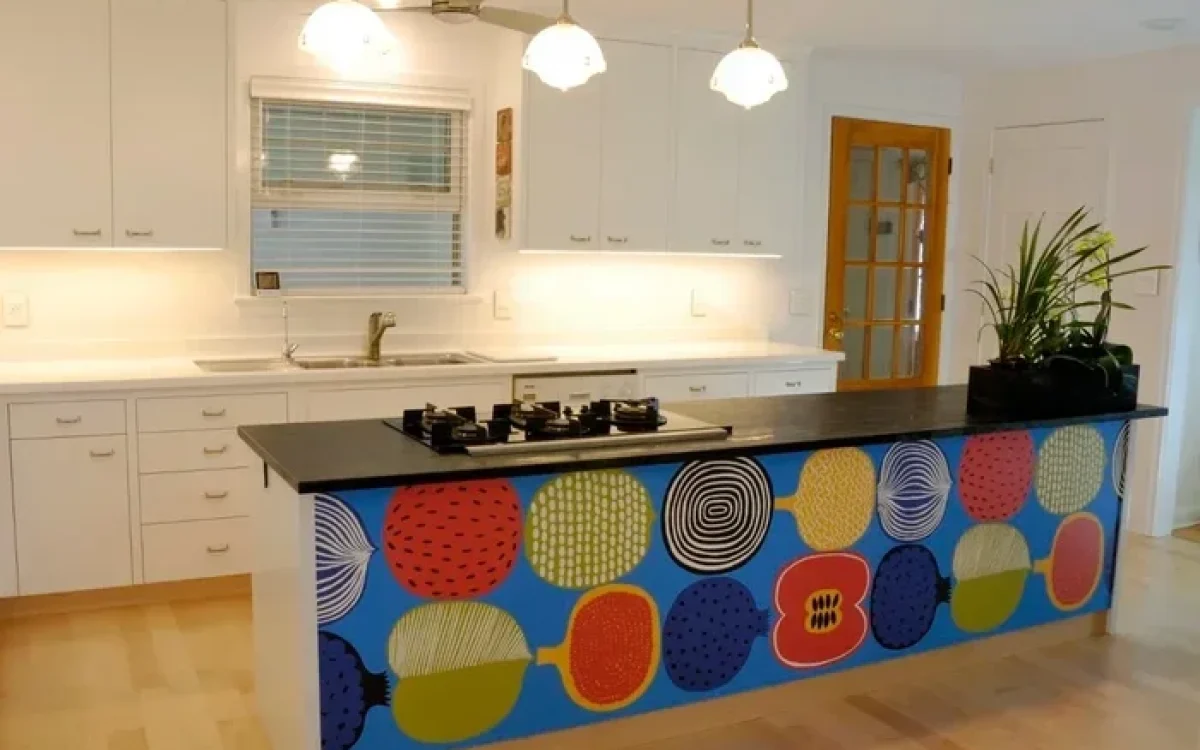
Start small with items like dish towels, oven mitts, and dishware in vibrant colors. These small touches add color without any commitment. A set of colorful mixing bowls or a bright kettle on the counter can completely change the feel of the room.
Curtains and window treatments are another easy win. A bold colored curtain on a kitchen window adds warmth and blocks harsh sunlight at the same time. Choose a fabric that can handle kitchen moisture and heat.
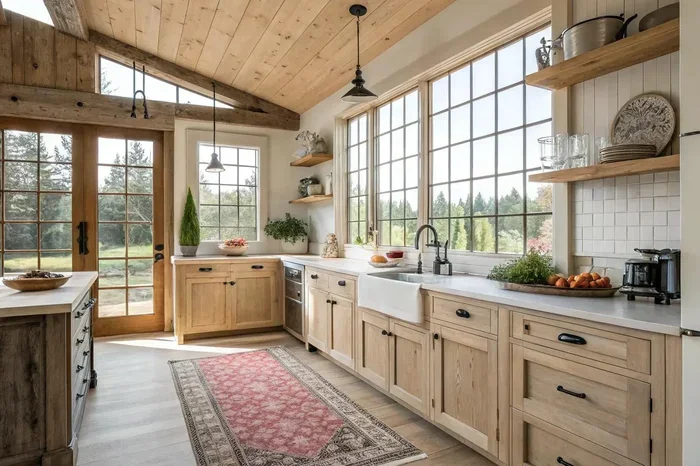
Do not overlook the power of a colorful rug. A small kitchen rug behind the sink or at the breakfast bar adds texture and color underfoot. It also makes the space feel more inviting and lived-in.
If you love baking and spending time in your kitchen, you might enjoy trying out some fun recipes afterward. A freshly baked batch of white chocolate banana bread or some lemon white chocolate cookies pairs perfectly with a newly styled kitchen. There is something satisfying about enjoying a colorful space while creating colorful treats.
Hardware and Fixtures
Sometimes the smallest details make the biggest impact. Swapping out your cabinet handles and drawer pulls is an inexpensive way to introduce color or a new finish. Consider bold colored knobs in red, teal, or mustard.
Faucets and sink fixtures also matter. A matte black or brushed brass faucet can completely change the look of a white kitchen. These upgrades are relatively simple and do not require a professional installer.
Lighting That Enhances Color
Lighting plays a huge role in how colors appear in your kitchen. Warm lighting makes colors feel cozy and inviting. Cool lighting makes whites feel crisp and blues feel calmer.
Consider adding colored pendant lights or lampshades in your preferred accent color. Under-cabinet lighting with a warm tone can make your white kitchen feel more welcoming in the evenings. LED strip lights in subtle colors can also add a modern, playful touch.
Adding Natural Color Through Plants and Materials
Nature provides some of the most beautiful colors you can bring into a white kitchen. Plants, wood, and natural materials add warmth and organic color that feels effortless.
Kitchen Plants and Herbs
A few potted herbs on the windowsill add green and life to any white kitchen. Basil, rosemary, and mint are not only beautiful but also useful for cooking. They smell amazing and look great in small pots or hanging planters.
Larger plants in colorful planters can serve as statement pieces. A tall fiddle leaf fig in a bright ceramic pot adds height, color, and texture all at once. Just make sure your plants can thrive in the light conditions of your kitchen.
Wood and Natural Materials
Wooden cutting boards, butcher block countertops, and bamboo accessories all bring warm, natural tones into a white kitchen. These materials complement white beautifully and add depth without feeling heavy.
You can also introduce color through wooden items in natural finishes like walnut or cherry. These warm tones pair wonderfully with white and create a balanced, harmonious look.
Common Mistakes to Avoid When Adding Color
Adding color to a white kitchen is exciting, but it is easy to make mistakes. Here are some common pitfalls to watch out for.
- Too many colors at once: Stick to three to five colors in your palette. More than that can feel chaotic and overwhelming.
- Ignoring lighting: Always test paint colors in your actual kitchen lighting. Colors look different under warm bulbs versus cool bulbs.
- Forgetting about flow: Your kitchen should connect with the rest of your home. Make sure your chosen colors work with adjacent rooms.
- Skipping the test phase: Always paint a small sample on your wall first. Let it dry and observe it at different times of day.
- Overlooking maintenance: Some colors show dirt and fingerprints more than others. Dark colors and glossy finishes tend to be easier to clean.
Take your time and make thoughtful choices. A well-planned color strategy looks intentional and polished. Rushing the process often leads to regret.
Final Thoughts on Making Your White Kitchen Pop
Learning how to add color to a white kitchen opens up a world of possibilities. From bold painted cabinets to simple accessory swaps, every approach has its own charm. The key is to choose colors that make you happy and feel authentic to your style.
Start small if you are unsure. Try a colorful backsplash or a set of vibrant dish towels. Once you see how much difference color makes, you will want to keep going. Before long, your white kitchen will feel completely transformed.
Remember, your kitchen is the heart of your home. It should reflect who you are and how you want to feel when you cook, eat, and gather with family and friends. Color is one of the most powerful tools you have to make that space truly yours.
After all the hard work of designing your colorful kitchen, you deserve a treat. Baking something sweet in your beautiful new space is the perfect reward. Try a batch of white chocolate raspberry banana bread or some white chocolate rice krispies to celebrate your kitchen transformation. Cooking in a space you love makes everything taste better.
Frequently Asked Questions
What is the best color to paint a white kitchen?
The best color depends on your personal style and the mood you want to create. Navy blue, sage green, and soft yellow are all popular choices that pair beautifully with white. Always test a small area first to see how the color looks in your kitchen lighting.
How can I add color to my kitchen without painting?
You can add color through accessories like dishware, towels, and curtains. A colorful backsplash, new cabinet hardware, or vibrant rugs are also great no-paint options. Plants and wooden items bring natural color without any permanent changes.
What colors make a small white kitchen look bigger?
Stick to light and soft colors like pale blue, mint green, or buttery yellow. These colors reflect light and keep the space feeling open. Avoid dark colors on small walls, as they can make the room feel cramped.
How do I choose a backsplash color for a white kitchen?
Choose a color that complements your cabinets and countertops. Bold colors like cobalt blue or emerald green create a striking focal point. Neutral tones like gray or beige offer a subtler look that still adds visual interest.
Can I mix multiple colors in a white kitchen?
Yes, but keep it balanced. Use the 60-30-10 rule to maintain harmony. Pick one dominant color, one secondary color, and one accent color. This approach keeps the kitchen looking coordinated rather than chaotic.
What kitchen accessories add the most color?
Dishware, curtains, rugs, and potted plants are some of the easiest accessories to add color. Colored cabinet handles and pendant lights also make a noticeable difference. These items are affordable and easy to swap out whenever you want a change.