Finding your lawn mower smoking can be scary, but the fix is often simpler than you think. This guide walks you through the exact steps to stop a lawn mower from smoking, whether it’s black smoke, white smoke, or blue smoke. You will learn the root causes, easy DIY fixes, and when to call a pro. Most smoking problems come from dirty air filters, old oil, or a clogged carburetor. Read on to get your mower back in action today.
Key Takeaways
- Identify the smoke color: Black, white, and blue smoke each point to different causes and need different fixes.
- Check the air filter first: A dirty air filter is the most common reason a mower starts smoking.
- Change your oil regularly: Old or overfilled oil causes smoke and engine damage over time.
- Clean the carburetor: A clogged carburetor disrupts the fuel-air mix and leads to heavy smoke.
- Don’t ignore blue smoke: Blue smoke usually means oil is burning, which needs immediate attention.
- Preventive maintenance stops smoking: Regular upkeep keeps your mower smoke-free all season long.
- Know when to call a pro: Some smoke issues need a trained small engine mechanic.
📑 Table of Contents
- Learn How to Stop a Lawn Mower From Smoking Right Now
- Why Is My Lawn Mower Smoking?
- How to Stop a Lawn Mower From Smoking: Step-by-Step Fixes
- Common Mistakes That Cause Lawn Mower Smoke
- Quick Tips to Prevent Lawn Mower Smoke
- When to Call a Professional for Lawn Mower Smoke
- Comparison Table: Smoke Colors and Their Causes
- Key Takeaways
- Final Thoughts
Learn How to Stop a Lawn Mower From Smoking Right Now
You step outside on a sunny Saturday morning. You pull the cord on your lawn mower. Then you see it — a cloud of smoke billowing from the engine. It is not a pretty sight. Your heart sinks, and you wonder if your machine is done for.
Here is the good news. How to stop a lawn mower from smoking is a skill every homeowner can learn. Most smoking problems have simple causes and even simpler fixes. You do not need to be a mechanic. You do not need expensive tools. In most cases, a few minutes of basic troubleshooting solves the problem entirely.
This guide covers everything you need to know. We will look at the different types of smoke, what causes them, and the exact steps to fix each one. By the end, you will feel confident tackling the issue yourself. Let us get your mower running clean again.
Why Is My Lawn Mower Smoking?
Smoke comes from your mower for a reason. The engine is telling you something is wrong. Understanding the cause is the first step to fixing it. Different smoke colors mean different problems. Let us break them down.
Black Smoke
Black smoke means your mower is burning too much fuel. The engine is running rich. This happens when the fuel-air mix is off. Too much fuel and not enough air creates a smoky mess. The most common culprits are a dirty air filter, a clogged carburetor, or a stuck choke. Black smoke is the most frequent type of mower smoke. The good news is it is also the easiest to fix.
White Smoke
White smoke usually means water or coolant is getting into the combustion chamber. This can happen if you tipped the mower wrong and oil spilled into the engine. It can also mean a head gasket is failing. Light white smoke on startup is sometimes normal, especially in humid conditions. But thick, constant white smoke is a red flag. You should address it quickly before it causes bigger engine damage.
Blue Smoke
Blue smoke means oil is burning. This is serious. Oil should never enter the combustion chamber. When it does, it burns alongside the fuel and creates that telltale blue haze. Common causes include worn piston rings, a damaged cylinder wall, or overfilling the oil reservoir. Blue smoke needs attention fast. Ignoring it can lead to permanent engine failure.
How to Stop a Lawn Mower From Smoking: Step-by-Step Fixes
Now that you know what the smoke colors mean, let us fix the problem. Follow these steps in order. Most homeowners solve the issue in under 30 minutes.
Step 1: Check the Air Filter
A dirty air filter is the number one cause of black smoke. When the filter gets clogged, it restricts airflow. The engine then pulls in too much fuel and not enough air. The result is a rich mixture that burns black smoke.
Here is how to fix it:
- Turn off the mower and let it cool completely.
- Locate the air filter housing on the side of the engine.
- Remove the cover and pull out the air filter.
- Inspect it for dirt, debris, and oil buildup.
- If it is washable, rinse it with water and let it dry fully.
- If it is disposable, replace it with a new one.
- Put the clean filter back in and secure the housing.
This simple fix solves the problem more than 50 percent of the time. Make checking your air filter part of your regular lawn mower maintenance routine.
Step 2: Check the Oil Level
Too much oil causes white and blue smoke. When the oil level is too high, it gets splashed into the cylinder and burns. This creates smoke and can damage the engine over time.
Here is what to do:
- Wait for the engine to cool down.
- Pull out the dipstick and wipe it clean.
- Reinsert the dipstick fully and pull it out again.
- Check the oil level against the markings on the stick.
- If it is overfilled, drain the excess oil through the drain plug.
- Refill with the correct type and amount of oil recommended in your owner’s manual.
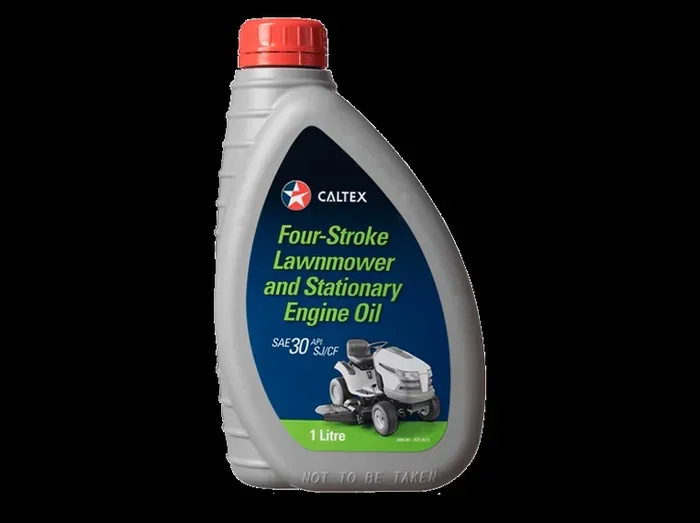
Always use the grade of oil your mower manufacturer recommends. Using the wrong oil can cause smoking and poor engine performance. This is a key part of small engine repair knowledge every mower owner should have.
Step 3: Clean the Carburetor
A clogged carburetor messes up the fuel-air mixture. When the carburetor gets dirty, it cannot deliver the right amount of fuel to the engine. This leads to black smoke, rough running, and poor performance.
Cleaning a carburetor is straightforward:
- Remove the air filter and the fuel line from the carburetor.
- Unbolt the carburetor from the engine.
- Take it apart carefully. Note the position of each part.
- Spray all the small parts with carburetor cleaner.
- Use a thin wire to clear any blocked jets or passages.
- Let everything dry completely before reassembling.
- Put it back on and reconnect the fuel line.
If cleaning does not help, you may need a carburetor rebuild kit. These are inexpensive and widely available. This fix is a core part of lawn mower troubleshooting that every DIYer should master.
Step 4: Inspect the Spark Plug
A fouled spark plug can cause your mower to smoke and run poorly. When the spark plug is covered in carbon deposits or oil, it cannot ignite the fuel properly. This leads to incomplete combustion and smoke.
Here is how to handle it:
- Remove the spark plug wire and pull out the spark plug.
- Look at the electrode. Is it covered in black soot?
- Is there oil on the plug tip?
- Clean the plug with a wire brush if it is only slightly dirty.
- Replace the spark plug if it is badly fouled or damaged.
- Use the spark plug type recommended in your owner’s manual.
- Gap the new plug to the correct specification.
- Reinstall it and reconnect the wire.
This is one of the easiest mower smoke fix steps you can take. A new spark plug costs just a few dollars and can make a huge difference.
Step 5: Drain Old Oil and Refill
If your oil is old, dark, and gritty, it can cause smoking. Over time, oil breaks down and loses its ability to lubricate properly. Burnt oil creates smoke and accelerates engine wear.
Follow these steps to change your oil:
- Warm up the engine for about 60 seconds. This helps the oil flow out.
- Turn off the mower and let it cool slightly.
- Tip the mower on its side with the air filter facing up.
- Locate the drain plug on the bottom of the engine.
- Place a pan underneath and remove the plug.
- Let the old oil drain completely.
- Replace the drain plug and refill with fresh oil.
- Check the level with the dipstick.
Regular oil changes are one of the best ways to prevent smoking. Most mowers need an oil change after the first 5 hours of use and then every 25 hours of operation. Keeping up with this schedule is a simple but powerful form of outdoor power equipment care.
Common Mistakes That Cause Lawn Mower Smoke
Many smoking problems come from simple mistakes. Avoiding these habits keeps your mower running clean and strong.
Overfilling the Oil Reservoir
This is the most common mistake. People add too much oil, thinking more is better. It is not. Excess oil gets pulled into the combustion chamber and burns. Always check the level with the dipstick and never exceed the full mark. If you accidentally overfill, drain the excess immediately.
Using the Wrong Type of Oil
Not all oils are the same. Your mower needs the specific oil weight recommended by the manufacturer. Using car oil or the wrong grade can cause poor lubrication and smoking. Check your owner’s manual for the correct oil specification. This small detail makes a big difference in engine overheating prevention.
Mowing With a Clogged Deck
When grass builds up under the deck, it restricts airflow and causes the engine to work harder. A struggling engine smokes more. Clean your deck after every few mows. This keeps things running smoothly and reduces strain on the engine.
Ignoring Regular Maintenance
Skipping oil changes, air filter replacements, and spark plug checks leads to problems. Neglect is the silent killer of small engines. A little maintenance goes a long way toward preventing smoke and extending the life of your mower.
Quick Tips to Prevent Lawn Mower Smoke
Prevention is always easier than repair. Follow these quick tips to keep your mower smoke-free all season long.
- Check the oil level before every use. A quick glance at the dipstick takes seconds.
- Clean or replace the air filter monthly during heavy mowing season.
- Use fresh fuel. Old gas goes stale and causes combustion problems. Add a fuel stabilizer if you store the mower for winter.
- Store the mower upright. Never store it on its side for long periods. This prevents oil from leaking into the engine.
- Run the mower at full throttle. Mowing at low speeds stresses the engine and can cause smoke.
- Do not mow wet grass. Wet grass clumps and clogs the deck, forcing the engine to work harder.
- Keep the spark plug clean and gapped properly. A clean plug ensures complete combustion and less smoke.
These habits take just a few minutes each time. But they save you hours of frustration and costly repairs down the road. Think of them as your lawn mower troubleshooting checklist for a healthy machine.
When to Call a Professional for Lawn Mower Smoke
Most smoke issues are easy to fix at home. But some problems need a trained eye. You should call a professional if:
- The smoke does not go away after trying all the steps above.
- You notice a significant loss of power along with the smoke.
- There is a coolant or oil leak you cannot find the source of.
- The engine makes knocking or grinding noises.
- White smoke continues even after draining and refilling the oil.
- The mower has high hours and has never had a major tune-up.
A certified small engine mechanic has the tools and experience to diagnose deeper issues. Internal problems like a blown head gasket or worn piston rings require professional attention. Do not try to fix these yourself unless you have experience with engine repair. Lawn mower repair professionals can save you from making costly mistakes that make the problem worse.
Comparison Table: Smoke Colors and Their Causes
| Smoke Color | Likely Cause | Severity | DIY Fix? |
|---|---|---|---|
| Black | Dirty air filter, rich fuel mix, clogged carburetor | Low | Yes, in most cases |
| White | Oil spill into engine, coolant leak, head gasket issue | Medium to High | Sometimes, depends on cause |
| Blue | Oil burning, worn piston rings, overfilled oil | High | Partially, may need a pro |
Use this table as a quick reference when you see smoke coming from your mower. Matching the color to the cause helps you decide the next step. It is the fastest way to start how to stop a lawn mower from smoking diagnostics at home.
Key Takeaways
- Smoke color tells the story: black smoke means too much fuel, white smoke means fluid in the combustion chamber, and blue smoke means burning oil.
- Start with the simple fixes: clean the air filter, check the oil level, and inspect the spark plug before moving to more complex repairs.
- Clean the carburetor regularly: this prevents fuel mixture problems that cause black smoke and poor engine performance.
- Do not overfill the oil: this is the single most common mistake that causes white and blue smoke.
- Preventive maintenance works: regular oil changes, air filter cleaning, and fresh fuel keep smoke problems away.
- Know your limits: some smoke issues need a professional mechanic. Do not hesitate to call one when the problem goes beyond basic fixes.
- Act fast: ignoring smoke leads to bigger engine damage and more expensive repairs down the road.
Final Thoughts
How to stop a lawn mower from smoking does not have to be complicated. The vast majority of smoke problems come from a handful of common causes. A dirty air filter, overfilled oil, a clogged carburetor, or a bad spark plug are responsible for most cases. With the right knowledge and a few basic tools, you can handle these fixes yourself in under an hour.
The key is to act quickly. Smoke is your mower’s warning sign. When you address it early, you prevent small problems from becoming big ones. Regular maintenance keeps your mower healthy and extends its life by years.
Take the time to understand your machine. Read the owner’s manual. Keep up with oil changes and filter replacements. Store your mower properly. These habits are the foundation of a smoke-free lawn care routine. Your mower will thank you with reliable performance every time you fire it up.
Now that you know exactly what to do, go ahead and check your mower. Start with the simplest fix and work your way through the list. You will be surprised how often a clean air filter and fresh oil solve the problem completely. Get out there and enjoy a clean, smoke-free mowing experience all season long.
How do I stop my lawn mower from smoking after tipping it?
If your mower smokes after you tipped it, oil likely spilled into the engine. Let the mower sit upright for a few hours to allow the oil to drain back into the crankcase. Then check the oil level with the dipstick and drain any excess. Run the mower for a few minutes and the smoke should clear on its own.
What causes a lawn mower to blow white smoke?
White smoke is usually caused by oil or coolant entering the combustion chamber. This can happen from tipping the mower incorrectly, a blown head gasket, or a cracked engine block. Check the oil level first, as overfilling is the most common and easiest fix.
Can a dirty air filter cause a lawn mower to smoke?
Yes, absolutely. A clogged air filter restricts airflow to the engine, causing it to run rich on fuel. This produces black smoke. Cleaning or replacing the air filter is one of the first steps in lawn mower troubleshooting for any smoke issue.
Is it safe to keep mowing if the engine is smoking?
No, it is not safe. Continued operation while smoking can cause further engine damage. Turn off the mower immediately and let it cool down. Diagnose the issue using the steps in this guide before restarting.
How often should I change the oil in my lawn mower?
Change the oil after the first 5 hours of use for a new mower. After that, change it every 25 hours of operation or at least once per mowing season. Fresh oil prevents smoking and keeps the engine running smoothly.
What is the cost of fixing a smoking lawn mower?
Most fixes are very affordable. An air filter costs around 10 to 15 dollars. A spark plug is about 5 to 10 dollars. Oil changes run 15 to 30 dollars. Carburetor cleaning is free if you do it yourself. Professional repairs can cost 100 to 300 dollars depending on the issue.
Frequently Asked Questions
What is how to stop a lawn mower from smoking?
how to stop a lawn mower from smoking is an important topic with many practical applications.