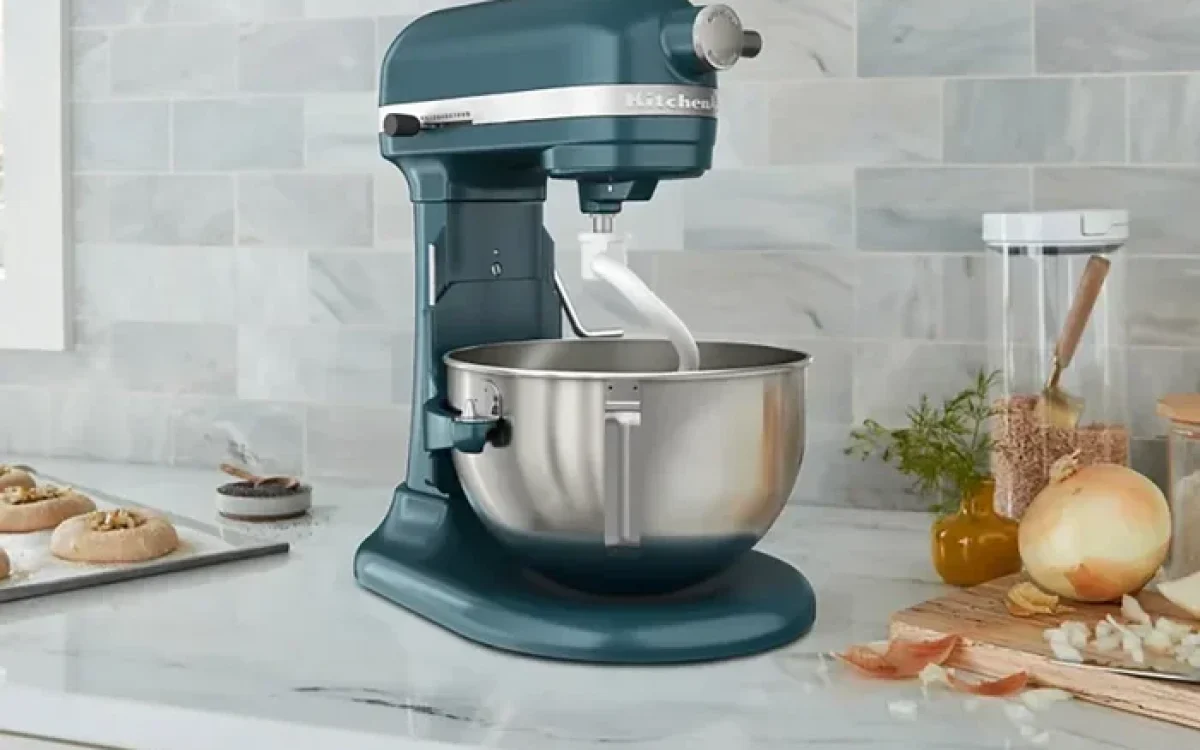
KitchenAid mixers are primarily built in the USA, with their main manufacturing facility located in Greenville, Ohio. The brand has a rich history of producing high-quality kitchen appliances that home cooks and professionals trust. Knowing where your stand mixer comes from helps you appreciate the craftsmanship and quality behind every model.
Have you ever wondered about the story behind your KitchenAid stand mixer? Maybe you just unboxed a beautiful new Artisan mixer and want to know more about where it came from. Or perhaps you are comparing models and want to understand what makes these kitchen appliances so special.
Where are KitchenAid mixers made? The answer is more interesting than you might think. Most KitchenAid mixers are proudly built in the United States, specifically at a manufacturing facility in Greenville, Ohio. This factory has been the heart of KitchenAid production for decades. But there is much more to the story than just one location.
In this article, we will walk you through the full story of KitchenAid mixer production. You will learn about the history, the manufacturing process, the different product lines, and what makes these mixers stand out from the competition. Whether you are a casual baker or a serious home chef, this guide has something valuable for you.
Key Takeaways
- Made in the USA: The primary KitchenAid factory is in Greenville, Ohio, where most mixers are assembled by skilled workers.
- Rich History: KitchenAid has been making mixers since 1919, and the brand is part of the Whirlpool Corporation family.
- Multiple Models: Different Artisan mixers, Professional series, and bowl lift models are produced with varying features and purposes.
- Global Reach: While main production is in Ohio, KitchenAid products are sold worldwide and some components may come from international suppliers.
- Quality Control: Each mixer goes through strict testing and quality checks before reaching your kitchen.
- Warranty and Support: Mixers made in the USA come with strong warranty coverage and customer support from KitchenAid.
- Investment Worth It: The planetary mixing action and durable build make these mixers a long-lasting kitchen companion.
📑 Table of Contents
- The History of KitchenAid Mixers
- What Happens During the Manufacturing Process
- Different KitchenAid Mixer Models and Where They Fit
- Why KitchenAid Mixers Stand Out
- Where Else Are KitchenAid Products Made?
- Common Mistakes to Avoid When Buying a KitchenAid Mixer
- Expert Tips for Getting the Most from Your KitchenAid Mixer
- Conclusion
The History of KitchenAid Mixers
KitchenAid has been around for a very long time. The brand started making stand mixers all the way back in 1919. That is over 100 years of experience in building kitchen appliances. The original mixer was designed to make baking easier for home cooks. It quickly became a favorite in kitchens across America.
How It All Started
The company that makes KitchenAid products today is the Whirlpool Corporation. Whirlpool acquired the KitchenAid brand back in 1986. Even after the purchase, KitchenAid kept its own identity and production methods. The brand continued to build mixers at its Ohio facility. This commitment to domestic manufacturing is something many customers appreciate.
The first KitchenAid mixer was called the H-5. It was a heavy, sturdy machine that could handle tough dough. Over the years, the design evolved. But the core idea stayed the same. Build a reliable stand mixer that lasts for generations. That philosophy still drives the company today.
The Greenville, Ohio Facility
The Greenville, Ohio plant is where the magic happens. This facility covers a large area and employs hundreds of workers. Every KitchenAid mixer that leaves this plant goes through careful inspection. Workers assemble each machine by hand to a large degree. This hands-on approach helps ensure quality.
Greenville has been the main production site since the early days. The factory has been updated many times over the years. Modern technology now works alongside skilled craftsmanship. The result is a mixer that combines the best of both worlds.
What Happens During the Manufacturing Process
Understanding how a KitchenAid stand mixer is made gives you a deeper appreciation for the product. The process is detailed and involves many steps. Each mixer must meet strict standards before it ships out.
Design and Engineering
Before any metal is cut, engineers work on the design. They use computer-aided design tools to create precise models. Every part of the stand mixer is planned down to the smallest detail. The goal is to create a machine that performs well and lasts long.
Engineers test different materials and components. They want the bowl to be durable. They want the motor to be powerful yet quiet. They want the dough hook, whisk, and flat beater to work perfectly together. All of this planning happens before a single unit is built.
Component Sourcing
Not every part of a KitchenAid mixer is made in Ohio. Some components come from suppliers around the world. Gears, electrical parts, and cosmetic pieces may be sourced internationally. However, the final assembly always happens in Greenville.
This approach allows KitchenAid to get high-quality parts at competitive prices. It also lets the company focus on what it does best: assembly and quality control. The imported parts must pass strict inspections before they are used.
Assembly Line
The assembly process is fascinating to watch. Workers on the production line put together each mixer step by step. The base and motor are installed first. Then the transmission and bowl are added. Finally, the attachments are included.
Each Artisan mixer and Professional series model follows a similar path. However, higher-end models may have extra steps. For example, a bowl lift mixer requires a different lifting mechanism than a tilt head mixer. These differences are handled carefully on the line.
Testing and Quality Control
Every single KitchenAid mixer goes through testing before it leaves the factory. Workers run the machine to check for smooth operation. They test different speeds and attachments. They listen for unusual noises. They check for any leaks or irregularities.
This quality control process is rigorous. A mixer that does not pass inspection is sent back for rework. This ensures that every customer gets a reliable product. It is one of the reasons KitchenAid stand mixers have such a strong reputation.
Different KitchenAid Mixer Models and Where They Fit
KitchenAid offers several different mixer models. Each one is designed for a specific type of user. Let us look at the main product lines and what makes each one unique.
Artisan Series
The Artisan mixer is the most popular model. It has a 5-quart bowl and comes in many colors. This stand mixer is perfect for home bakers. It handles cakes, cookies, bread dough, and more with ease. The planetary mixing action ensures that all ingredients are blended thoroughly.
The Artisan line is built at the Greenville facility. It uses the same core design that has made KitchenAid famous for decades. The price point makes it accessible to most home cooks. This is the model you will see in the majority of kitchens.
Professional Series
The Professional series is designed for more serious bakers. These mixers have larger bowls and more powerful motors. The 6-quart and 8-quart options can handle bigger batches. If you bake frequently or for a crowd, a Professional model is a great choice.
These kitchen appliances are still assembled in Ohio. They share many parts with the Artisan line but include upgraded components. The motor is stronger, and the build is heavier. This makes them more stable during heavy mixing tasks.
Bowl Lift Models
Bowl lift mixers are a different category entirely. Instead of a tilt head, they use a hydraulic lift to raise and lower the bowl. This design is better for very heavy dough. Bread bakers and pizza makers often prefer bowl lift mixers.
These models are typically part of the Professional line or the Commercial series. They are built with extra reinforcement. The power motor is stronger to handle stiff dough. The stainless steel bowl is larger and more durable.
Commercial Models
KitchenAid also makes commercial mixers for professional kitchens. These are built to withstand heavy daily use. They have the most powerful motors and the largest capacities. Many restaurants, bakeries, and catering companies rely on these machines.
Commercial models are still made in the USA. They go through even more testing than home models. The build quality is exceptional. These are not cheap, but they are built to last for many years.
Why KitchenAid Mixers Stand Out
There are many stand mixer brands on the market. So why do so many people choose KitchenAid? Let us look at the key reasons these mixers have earned their reputation.
Built to Last
One of the biggest selling points is durability. A KitchenAid stand mixer can last for 20 years or more with proper care. Many families pass them down from one generation to the next. The quality control process at the factory helps ensure this longevity.
The stainless steel bowl and metal gears are built to handle tough jobs. Unlike some cheaper models, a KitchenAid mixer does not wear out quickly. The power motor is designed for sustained use. This makes it a reliable tool for any kitchen.
Planetary Mixing Action
The planetary mixing action is a key feature. This means the attachment rotates while also orbiting around the bowl. The result is thorough and even mixing. Every ingredient gets incorporated without leaving lumps or dry spots.
This design is patented and unique to KitchenAid. It is one of the reasons the brand stands out. Other mixer brands may use different mixing motions. But the planetary action has proven itself over more than a century.
Attachment Ecosystem
KitchenAid mixers work with a huge range of attachments and accessories. You can get pasta rollers, food grinders, meat slicers, and more. This turns your stand mixer into a multi-purpose kitchen tool. It saves counter space and money.
The attachment system is standardized across most models. So if you buy an Artisan mixer today, you can use attachments from older models too. This backward compatibility is a huge advantage. It adds long-term value to your purchase.
Strong Warranty and Support
KitchenAid stands behind its products. Most mixers come with a 1-year full warranty. Some models offer extended coverage. The company also provides excellent customer support. If something goes wrong, help is just a phone call away.
Because the mixers are made in the USA, warranty claims are handled efficiently. Parts are readily available. This makes repairs easier and faster. It is another reason to feel confident buying a KitchenAid product.
Where Else Are KitchenAid Products Made?
While the main mixer production happens in Ohio, KitchenAid makes other products too. The brand offers a full range of kitchen appliances. Let us look at some of these other products and where they come from.
Other Kitchen Appliances
KitchenAid also makes blenders, food processors, dishwashers, and refrigerators. Some of these products are made in the USA. Others may be manufactured in different countries. The company has production facilities in various locations around the world.
However, the stand mixer remains the most iconic product. It is the one most associated with the KitchenAid name. When people ask about where KitchenAid products come from, the mixers are what they mean.
Global Distribution
KitchenAid mixers are sold in many countries. You can find them in North America, Europe, Asia, and beyond. The global distribution network is vast. Each region may have slightly different models or features available.
Despite being sold worldwide, the core manufacturing stays in the USA. This is a point of pride for the brand. It also helps customers feel confident about the quality of their purchase.
Common Mistakes to Avoid When Buying a KitchenAid Mixer
Buying a KitchenAid mixer is a big decision. These machines are not cheap. You want to make sure you choose the right one. Here are some common mistakes to avoid.
Choosing the Wrong Size
Not all mixers are the same size. The Artisan has a 5-quart bowl. The Professional 600 has a 6-quart bowl. The Professional 800 has an 8-quart bowl. If you bake for a large family, a smaller bowl will not work. Think about your typical batch sizes before you buy.
Ignoring the Motor Power
The motor matters more than you might think. A power motor handles heavy dough without straining. Cheaper models may struggle with stiff bread dough. Check the motor wattage and torque before making a decision. This will save you frustration in the long run.
Forgetting About Attachments
Your stand mixer is only as useful as its attachments. Before you buy, think about what you want to make. Do you want to make pasta? Get a pasta roller. Do you grind meat? Look for a food grinder attachment. Planning ahead helps you get the most value from your purchase.
Buying from Unauthorized Sellers
Always buy from authorized retailers. This ensures your mixer comes with a valid warranty. It also guarantees that the product is genuine. Unauthorized sellers may offer deals that seem too good to be true. Often, they are selling refurbished or counterfeit products.
Expert Tips for Getting the Most from Your KitchenAid Mixer
Owning a KitchenAid mixer is just the beginning. Here are some tips to help you get the best results.
Start on Low Speed
Always start mixing on a low speed. This prevents flour from flying everywhere. It also helps ingredients combine more evenly. You can increase the speed once everything is blended.
Pulse for Stiff Dough
Use the pulse function for stiff dough. This prevents the motor from overheating. It also gives you more control over the mixing process. A few pulses at a time work best for bread dough.
Keep It Clean
Clean your mixer after every use. Wipe down the bowl and attachments. Check the area around the dough hook for stuck dough. Regular cleaning keeps the machine running smoothly and extends its life.
Store It Properly
When not in use, store your stand mixer in a cool, dry place. Keep it covered to prevent dust buildup. If you have limited counter space, consider a kitchen cart or cabinet designed for mixers. Proper storage protects the machine and keeps it looking great.
Conclusion
So, where are KitchenAid mixers made? The answer is clear. Most KitchenAid mixers are proudly built in Greenville, Ohio, in the United States. The brand has a long and proud history of domestic manufacturing. From the original H-5 in 1919 to the latest Artisan mixer models, KitchenAid has stayed true to its roots.
Each stand mixer that comes off the assembly line goes through careful attention. Skilled workers assemble the machines. Rigorous quality control tests every unit. The result is a kitchen appliance that lasts for decades and performs beautifully every time.
Whether you choose an Artisan, a Professional series, or a heavy-duty bowl lift mixer, you are getting a product built with care. The planetary mixing action, the durable stainless steel bowl, and the powerful motor all come together to create something truly special.
If you are in the market for a new mixer, knowing where it comes from can give you peace of mind. KitchenAid mixers are made in the USA with pride. They are backed by a strong warranty and decades of trust. That is a combination that is hard to beat.
Frequently Asked Questions
Are all KitchenAid mixers made in the USA?
Most KitchenAid stand mixers are assembled at the Greenville, Ohio facility. However, some components may be sourced from international suppliers. The final assembly and quality control always happen in the USA.
What is the difference between a tilt head and a bowl lift mixer?
A tilt head mixer has a head that tilts back to add ingredients or remove the bowl. A bowl lift mixer uses a hydraulic lift to raise and lower the bowl. Bowl lift models are better for heavy dough and larger batches.
How long does a KitchenAid mixer last?
With proper care, a KitchenAid stand mixer can last 20 years or more. The durable build quality and powerful motor contribute to this long lifespan. Many customers use their mixers for decades without issues.
Can I use KitchenAid attachments on older mixer models?
Yes, KitchenAid attachments are generally compatible across most models. The attachment system has been standardized for many years. Always check the specific compatibility before purchasing new attachments.
Why are KitchenAid mixers so expensive?
The price reflects the quality of materials, American manufacturing, and rigorous testing. The planetary mixing action, powerful motor, and durable construction justify the cost. Many customers find that the mixer lasts for decades, making it a worthwhile investment.
Does KitchenAid offer a warranty on its mixers?
Yes, most KitchenAid mixers come with at least a 1-year warranty. Some models and retailers offer extended warranty options. The company is known for strong customer support and easy warranty claims.
=== META TITLE ===
Where Are KitchenAid Mixers Made? Facts & History
=== URL SLUG ===
/where-are-kitchenaid-mixers-made