Porcelain kitchen countertops are quickly becoming the top pick for homeowners who want beauty, durability, and style in one package. These stain-resistant and heat-resistant surfaces offer a modern kitchen design look without the high maintenance. In this guide, you’ll learn everything about porcelain slab countertops—from cost and installation to long-term care.
Key Takeaways
- Ultra-Durable Surface: Porcelain kitchen countertops offer exceptional scratch-resistant and heat-resistant properties that outlast many traditional materials.
- Stain-Resistant and Low-Maintenance: Unlike natural stone, porcelain slabs resist stains from coffee, wine, and oils with ease, making cleanup simple.
- Versatile Design Options: Porcelain comes in countless styles, from marble-look to solid colors, fitting any contemporary kitchen design.
- Cost-Effective Luxury: You get a luxury kitchen design aesthetic at a lower price point compared to natural stone countertops.
- Easy Installation: Porcelain countertop installation is straightforward when you work with experienced professionals and follow proper guidelines.
- Eco-Friendly Choice: Porcelain is made from natural materials and is fully recyclable, making it a sustainable kitchen remodeling option.
- Long-Lasting Beauty: With proper care, porcelain kitchen countertops maintain their elegant finish for decades without fading or chipping.
📑 Table of Contents
- Why Porcelain Kitchen Countertops Are the Smartest Upgrade for Your Home
- What Are Porcelain Kitchen Countertops?
- The Top Benefits of Porcelain Kitchen Countertops
- Porcelain Kitchen Countertops vs Other Popular Materials
- How to Choose the Right Porcelain Kitchen Countertops
- Installation Tips for Porcelain Kitchen Countertops
- Maintaining Your Porcelain Kitchen Countertops
- Final Thoughts on Porcelain Kitchen Countertops
Why Porcelain Kitchen Countertops Are the Smartest Upgrade for Your Home
Your kitchen deserves better. Every day, your countertop takes the heat, the spills, the knife scratches, and the daily chaos of family life. So why settle for a surface that can’t keep up? Porcelain kitchen countertops check every box. They’re tough, beautiful, and incredibly easy to maintain.
Whether you’re planning a kitchen renovation or just exploring countertop materials, porcelain deserves a spot at the top of your list. It delivers the look of natural stone without the headaches. It handles heat like a champ. And it keeps shining, day after day, year after year.
Let’s dig deeper into why porcelain kitchen countertops are winning hearts—and kitchens—across the country.
What Are Porcelain Kitchen Countertops?
Porcelain kitchen countertops are surfaces made from porcelain slabs—a type of ceramic material fired at extremely high temperatures. The result? A dense, hard, non-porous surface that looks stunning and performs even better. Think of it as a supercharged version of traditional ceramic.
How Porcelain Is Made
Manufacturers mix natural minerals like clay, feldspar, and silica. Then they press the mixture under huge pressure and fire it at temperatures above 1,200 degrees Celsius. This process creates a material that is incredibly dense and nearly impervious to moisture, stains, and heat. The final product is a durable surface that mimics the beauty of marble, granite, or concrete—without the real thing’s weaknesses.
What Makes It Different from Other Surfaces
Unlike natural stone, porcelain doesn’t need sealing. Unlike quartz, it handles direct heat without worrying about damage. And compared to laminate, it doesn’t peel, chip, or discolor over time. That’s what makes porcelain kitchen countertops stand out in a crowded field of countertop materials.
The Top Benefits of Porcelain Kitchen Countertops
Still on the fence? Here’s why homeowners and designers alike are falling hard for porcelain.
Incredible Durability
Countertop durability is probably the number one reason people choose porcelain. These surfaces resist scratches, chips, and cracks with ease. You can drag a hot pan right off the stove onto the counter—no damage, no worry. Kids can do homework, chop vegetables, and set down heavy plates without leaving a mark. The surface holds up beautifully under daily abuse.
Stain-Resistant and Easy to Clean
Spilled red wine? Olive oil? Coffee? No problem. Porcelain’s non-porous surface means liquids can’t seep in. Wipe it up, and the counter looks brand new. This stain-resistant countertop quality alone saves hours of scrubbing. You don’t need special cleaners or harsh chemicals. A simple damp cloth does the trick every time.
Heat Resistance You Can Count On
Most countertop materials panic when you set down a hot skillet. Not porcelain. These heat-resistant countertops handle high temperatures without discoloring or warping. You can place pots, baking sheets, and even broiling pans directly on the surface. Just remember to use a trivet for extreme heat to protect any edges or supports underneath.
Stunning Design Flexibility
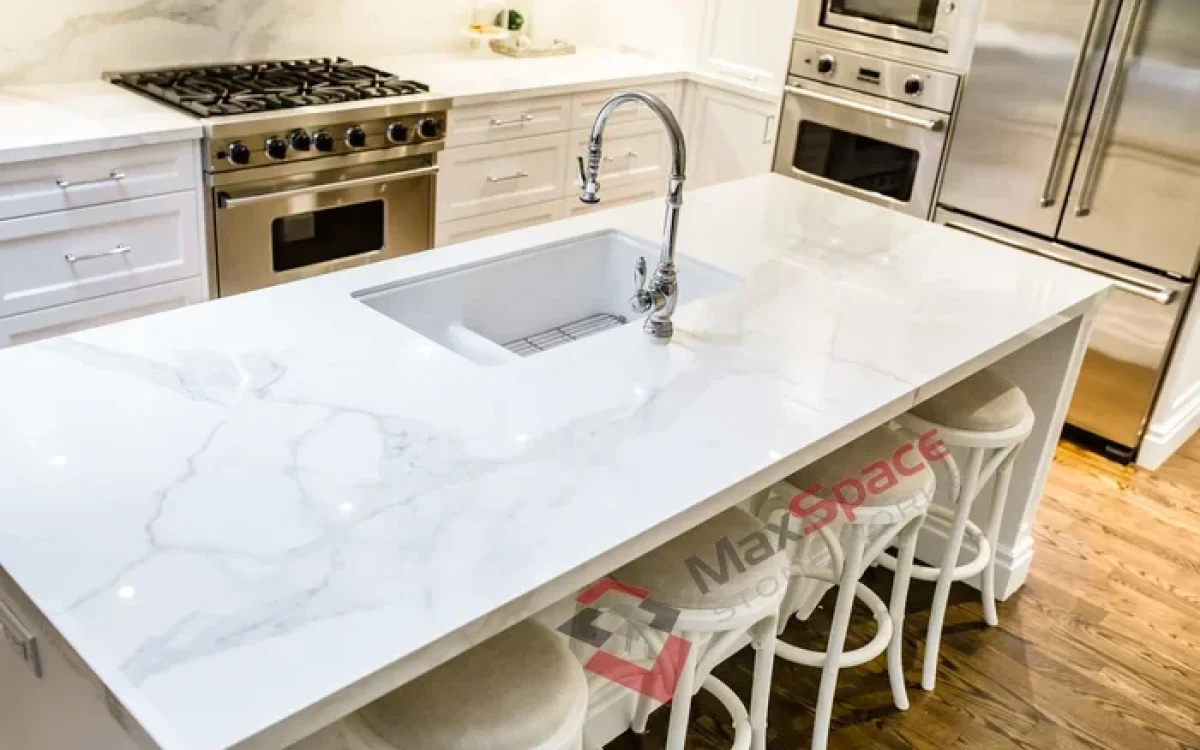
One thing that surprises people is how beautiful porcelain kitchen countertops can look. They come in styles that perfectly copy marble veining, concrete textures, and even warm wood tones. Whether you love a sleek modern kitchen design or something more classic, there’s a porcelain finish for you. Surface finish options include matte, glossy, textured, and even embossed looks that feel like real stone under your fingertips.
Low Maintenance, Big Payoff
With porcelain, you skip the sealing, the special polishes, and the anxiety over every spill. These low-maintenance countertops stay gorgeous with basic cleaning. They also resist UV light, so they won’t fade near sunny windows. That’s a huge plus for kitchen aesthetics over the long haul.
A Sustainable Choice
Many porcelain slab manufacturers use recycled raw materials. The product itself is fully recyclable at the end of its life. If you care about the environment—and who doesn’t these days—porcelain makes a great eco-friendly countertop choice for your kitchen remodeling project.
Porcelain Kitchen Countertops vs Other Popular Materials
Choosing a countertop can feel overwhelming. Let’s compare porcelain kitchen countertops against the most popular alternatives so you can see the differences clearly.
Porcelain vs Quartz
Both are excellent choices, but they shine in different areas. Quartz is made partly from natural quartz crystals mixed with resins. It’s strong and offers beautiful patterns. However, it can discolor with prolonged heat exposure. Porcelain handles heat better and costs less in many cases. Quartz edges look slightly smoother, though, so it depends on your priorities.
Porcelain vs Granite
Granite is a natural stone that looks incredible. But it’s porous, which means it absorbs oils and bacteria unless sealed properly. Porcelain offers the same elegant look without any porosity. It’s also lighter and easier to install. For residential countertops that need to handle heavy daily use, porcelain often wins.
Porcelain vs Marble
Marble screams luxury. But it scratches easily, stains from acidic foods, and requires constant care. Porcelain gives you that same marble-look without any of the drama. You get the beauty and none of the worry. For kitchen countertop ideas that blend style and sense, porcelain delivers on all fronts.
Porcelain vs Laminate
Laminate is budget-friendly but doesn’t hold up well over time. It chips at the edges, swells with water exposure, and can peel away. Porcelain lasts much longer and looks far more premium. The upfront cost is higher, but the long-term value beats laminate every single time.
Quick Comparison Table
| Feature | Porcelain | Quartz | Granite | Marble | Laminate |
|---|---|---|---|---|---|
| Heat Resistance | Excellent | Moderate | Good | Poor | Poor |
| Scratch Resistance | Excellent | Very Good | Good | Poor | Poor |
| Stain Resistance | Excellent | Very Good | Moderate | Poor | Moderate |
| Maintenance | Very Low | Low | Moderate | High | Low |
| Cost Range | $$ | $$$ | $$$ | $$$$ | $ |
| Design Options | Wide | Wide | Moderate | Limited | Moderate |
How to Choose the Right Porcelain Kitchen Countertops
Picking the perfect porcelain countertop involves more than picking a pretty color. Here’s what smart buyers consider before making their final decision.
Assess Your Lifestyle Needs
Do you cook a lot? Do you have kids or pets? Think about what your kitchen really goes through. Heavy cooks need scratch-resistant surfaces and strong heat tolerance. Families want easy-clean areas that handle spills without stress. Porcelain kitchen countertops handle all of this and more, so match your choice to your daily routine.
Pick the Right Finish
Different finishes create different vibes. A matte finish gives a soft, modern feel. Glossy finishes look sleek and reflect light, making your kitchen feel bigger. Textured finishes mimic natural stone and hide fingerprints better. Choose based on your contemporary kitchen trends and personal style.
Consider Thickness
Most porcelain slabs come in 12mm or 20mm thickness. Thinner slabs work fine for standard installations with proper support. Thicker slabs add a luxurious, solid feel. They also handle edge detailing better, giving your counter a more elegant kitchen surface appearance.
Match with Your Kitchen Style
Think about your cabinets, backsplash, and flooring. Porcelain comes in styles that pair beautifully with everything. Light-toned counters open up small kitchens. Darker tones add drama and sophistication. If you’re unsure, bring swatches to your kitchen and check them under both natural and artificial light before committing.
Set a Realistic Budget
Porcelain countertop costs vary based on size, thickness, and brand. On average, expect to spend between $40 and $100 per square foot installed. That’s often less than premium granite or marble. Set your budget early, then explore options that deliver the best value without cutting corners on quality.
Installation Tips for Porcelain Kitchen Countertops
Proper countertop installation makes all the difference between a beautiful finish and a headache. Here’s what you need to know.
Hire a Professional or Go DIY?
Small kitchens with simple layouts can handle a careful DIY install. But for most homes, hiring a pro saves time and prevents costly mistakes. Porcelain is heavy and can chip if handled incorrectly. If you’re not confident, trust the experts. It’s worth the investment for a flawless result.
Prepare the Base Properly
The substrate must be perfectly level and sturdy. Uneven surfaces cause stress on the slab and can lead to cracking over time. Use plywood or particleboard that meets industry standards. Add reinforcing strips underneath for extra support, especially along the front edge.
Handle with Care
Porcelain slabs are hard but brittle under impact. Always lift—never drag—during installation. Use padded straps and get at least two people for the job. Once in place, avoid sliding the slab. It should sit snugly on the adhesive without shifting.
Seal the Edges
Even though porcelain itself is non-porous, the cut edges can be more vulnerable. Apply a sealant to exposed edges after installation. This small step adds extra protection against moisture seeping in from underneath.
Quick Installation Tips
- Measure twice, cut once. Double-check all dimensions before cutting the slab.
- Use compatible adhesives. Check manufacturer guidelines for recommended bonding products.
- Leave small expansion gaps. These allow for natural movement without cracking the surface.
- Don’t rush the process. A patient installer always gets a better result.
Maintaining Your Porcelain Kitchen Countertops
One of the best things about porcelain kitchen countertops is how easy they are to care for. But even the toughest surfaces benefit from a little love.
Daily Cleaning
Warm water and a soft cloth handle 90% of cleaning tasks. For stubborn spots, add a drop of mild dish soap. Avoid abrasive scrubbers—they can scratch even porcelain over time. Dry the surface after cleaning to prevent hard water marks from forming.
What to Avoid
Stay away from bleach, ammonia-based cleaners, and harsh acidic solutions. These can dull the finish over extended use. Also, avoid dropping heavy metal objects directly onto the surface. Use cutting boards for all chopping tasks, even though porcelain resists scratches well.
Dealing with Stains
Stains on porcelain are rare, but they happen—especially if a spill sits for hours. Coffee, soy sauce, and turmeric can leave marks. For quick removal, make a paste of baking soda and water. Apply it to the stain, let it sit for 15 minutes, then gently wipe it away. The surface bounces back like new.
Protecting the Surface Long-Term
Use trivets under hot pans, even though porcelain handles heat well. Place mats under heavy appliances. These small habits keep your porcelain slab looking pristine for decades. A little prevention goes a long way in preserving that luxury kitchen design feel every single day.
Final Thoughts on Porcelain Kitchen Countertops
Porcelain kitchen countertops bring together everything a modern homeowner wants. They’re tough, beautiful, practical, and sustainable. They handle heat, resist stains, and stay gorgeous without demanding much in return. Whether you’re deep into kitchen renovation or just refreshing one corner, porcelain delivers results that impress.
The right countertop transforms your kitchen from ordinary to extraordinary. With so many surface finish options and design possibilities, you’re sure to find something perfect. Don’t settle for less when porcelain kitchen countertops give you the world—durability, elegance, and peace of mind—all in one stunning surface.
Ready to make the switch? Your kitchen is waiting for the upgrade it deserves.
Frequently Asked Questions
Are porcelain kitchen countertops better than quartz?
Both are excellent choices, but porcelain handles direct heat better and usually costs less. Quartz offers slightly smoother edges and a wider color range in some cases. Your best pick depends on your cooking habits, budget, and design preferences.
Can you place hot pans directly on porcelain countertops?
Yes, porcelain is highly heat-resistant and handles direct heat well. However, using trivets is still a good habit to protect the edges and any underlying support structure from extreme temperature changes over time.
Do porcelain kitchen countertops need sealing?
No, porcelain does not need sealing. Its non-porous surface naturally resists stains, moisture, and bacteria. This makes it one of the lowest-maintenance countertop options available for busy households.
How long do porcelain kitchen countertops last?
With proper care, porcelain countertops last 20 to 30 years or even longer. They resist fading, scratching, and chipping, making them one of the most durable choices for residential kitchens.
Are porcelain countertops expensive?
Porcelain countertops are moderately priced compared to natural stone. You can expect to spend around $40 to $100 per square foot installed. They offer luxury aesthetics at a more affordable price point than marble or premium granite.
Can porcelain countertops chip or crack?
Porcelain is very strong, but it can chip at the edges if impacted hard. Using cutting boards, avoiding heavy drops, and handling the slab carefully during installation all help prevent chipping and cracking.
What is the best color for porcelain kitchen countertops?
The best color depends on your kitchen style. Light tones open up small spaces, while dark shades add richness and drama. Neutral tones like white, gray, and beige are timeless and pair easily with any modern kitchen design.
Conclusion
Porcelain kitchen countertops truly earn their spot as one of the best choices for any home. They combine strength, beauty, and simplicity in a way that few other materials can match. Whether you’re going all-in on a kitchen remodeling project or simply upgrading your counters, porcelain delivers every time.
The benefits speak for themselves. Stain-resistant surfaces. Heat-resistant construction. Low-maintenance care. Stunning kitchen aesthetics without the premium price tag. These are the reasons homeowners everywhere are choosing porcelain over every alternative.
Take the time to explore your options. Pick a finish that fits your style. Work with a trusted installer. And get ready to enjoy a kitchen that looks and performs like a dream. Porcelain kitchen countertops aren’t just a trend—they’re a lasting investment in your home’s value and your daily happiness.