Low water pressure in the kitchen sink is a frustrating but common problem that homeowners face every day. The main causes include clogged aerators, mineral buildup, closed shut-off valves, and corroded pipes. This guide walks you through each cause and provides clear, step-by-step solutions you can try at home.
Key Takeaways
- A clogged aerator is the most common cause: A simple cleaning or replacement often fixes the problem in minutes.
- Mineral buildup builds up over time: Hard water deposits can restrict flow and reduce faucet pressure significantly.
- Check your shut-off valves first: A partially closed valve is an easy fix many people overlook.
- Corroded pipes need professional attention: Old galvanized or steel pipes can seriously limit water flow.
- A water pressure gauge helps diagnose issues: Testing your pressure tells you whether the problem is internal or external.
- Prevention saves time and money: Regular maintenance keeps your kitchen faucet running strong for years.
📑 Table of Contents
- Low Water Pressure in Kitchen Sink Causes and Solutions
- Common Causes of Low Water Pressure in Kitchen Sink
- How to Diagnose Low Water Pressure in Your Kitchen Sink
- Step-by-Step Solutions to Restore Kitchen Water Pressure
- When to Call a Professional Plumber
- Prevention Tips to Maintain Strong Water Pressure
- Quick Tips for Fixing Low Water Pressure
- Common Mistakes People Make When Dealing With Low Kitchen Water Pressure
- Expert Insights on Kitchen Water Pressure
- Key Takeaways
Low Water Pressure in Kitchen Sink Causes and Solutions
Nothing ruins a quick cooking session like a weak, dribbling stream from your kitchen faucet. Whether you are washing vegetables, filling a pot, or rinsing dishes, low water pressure in kitchen sink makes every task take longer. It is one of those small annoyances that quietly drains your patience day after day.
The good news is that most causes of low water pressure are easy to fix. You do not need to be a licensed plumber to tackle many of these problems. In this article, we will explore every common cause and walk you through practical solutions. By the end, you will know exactly what to check and how to restore strong, steady water flow to your kitchen.
We will also cover when it is time to call a professional and how to prevent the problem from coming back. Let us dive right in and get your kitchen faucet working like it should.
Common Causes of Low Water Pressure in Kitchen Sink
Before you start fixing anything, it helps to understand what might be causing the issue. Several different problems can lead to weak water flow, and each one requires a different approach. Here are the most frequent culprits you will encounter.
Clogged Aerator
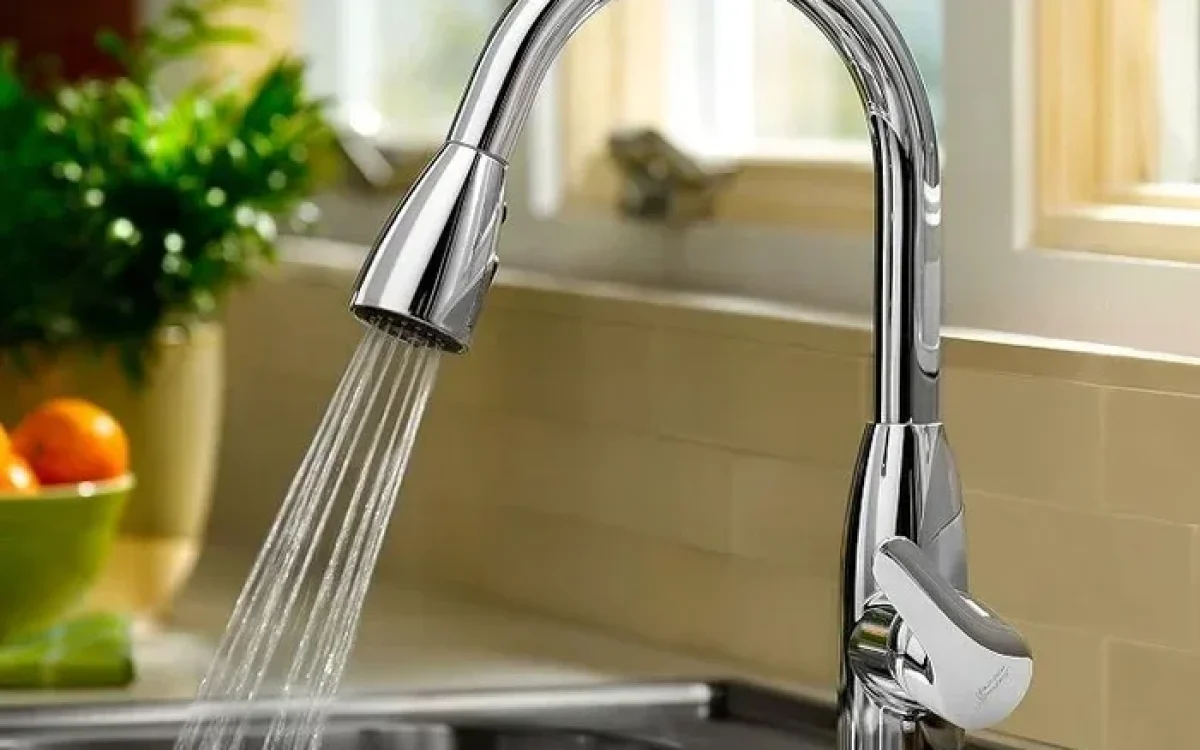
The aerator is the small mesh screen at the tip of your faucet. It mixes air with water to create a smooth, steady stream. Over time, dirt, sediment, and mineral deposits collect inside this screen. The result is a weaker flow that sprays unevenly.
This is the single most common reason for low water pressure in kitchen sink. The good news is that cleaning or replacing an aerator takes just a few minutes. You do not need any special tools, and the part costs only a few dollars at any hardware store.
Mineral Buildup Inside the Faucet
If you live in an area with hard water, mineral deposits can build up inside your faucet and supply lines. Calcium and magnesium accumulate on the inner walls of pipes and fixtures. This narrows the passage and restricts water flow.
Mineral buildup tends to get worse over time. What starts as a slight reduction in pressure can eventually become a major flow problem. Regular descaling helps keep this under control. You can use white vinegar to soak removable parts and dissolve deposits naturally.
Partially Closed Shut-Off Valve
Every kitchen sink has a shut-off valve located underneath the basin. Sometimes these valves get bumped or accidentally turned partially closed. When this happens, water flow drops significantly even though the valve is technically still open.
This is one of the easiest causes to fix. Simply locate the valve under your sink and turn it fully clockwise to open it completely. If you have two valves, one for hot and one for cold, make sure both are fully open. Many homeowners do not even realize this valve was partially closed until they check.
Corroded or Old Pipes
If your home has older galvanized steel or iron pipes, corrosion inside the lines is a real possibility. Over decades, rust and mineral deposits accumulate on the inner walls of the pipes. This gradually narrows the opening and reduces water pressure throughout the house.
Corroded pipes are more serious than a clogged aerator. You cannot simply clean them out. In many cases, pipe replacement is the only long-term solution. This is especially true for homes built before the 1970s when galvanized piping was standard. If you suspect corroded pipes, it is worth getting a professional inspection.
Water Pressure Regulator Issues
Many homes have a water pressure regulator installed on the main water line. This device keeps the incoming pressure at a safe level, usually between 40 and 60 PSI. When the regulator fails or malfunctions, it can cause low pressure at every faucet in the house.
A failing regulator does not always show obvious signs at first. You might notice that your shower pressure has dropped alongside your kitchen sink. A simple test with a water pressure gauge can confirm whether the regulator is the problem. Replacing a regulator is a moderate DIY job for someone with basic plumbing skills.
Municipal Water Supply Problems
Sometimes the problem is not in your home at all. Work on the municipal water lines, a main break in your neighborhood, or seasonal demand spikes can all reduce your water pressure temporarily.
If your neighbors are also experiencing low pressure, the issue likely comes from the supply side. You can contact your local water utility to check for any known issues in your area. This type of problem usually resolves once the municipal work is complete.
How to Diagnose Low Water Pressure in Your Kitchen Sink
Before jumping into fixes, take a few minutes to diagnose the problem properly. A little detective work saves you from fixing the wrong thing. Here is a simple process to follow.
Start by checking the pressure at both the hot and cold handles. Turn on the cold water fully and note the flow. Then do the same with the hot water. If only one side is weak, the problem is likely isolated to that specific line or fixture component.
Next, check other faucets in your home. Run the bathroom sink, the bathtub, and the outdoor hose. If low pressure affects multiple fixtures, the cause is probably a whole-house issue like a regulator or main line problem. If only the kitchen sink is affected, focus your attention on the faucet and supply lines.
You can also use a simple water pressure gauge. These are inexpensive and available at most home improvement stores. Screw the gauge onto your outdoor hose bib or a washing machine connection and read the measurement. Normal household pressure should fall between 40 and 60 PSI. Anything below 30 PSI signals a problem that needs attention.
While you are troubleshooting, it can be a great time to clean your kitchen thoroughly. You might want to try a low carb frittata recipe to make use of the time while your sink is temporarily turned off for repairs.
Step-by-Step Solutions to Restore Kitchen Water Pressure
Now that you have identified the likely cause, it is time to take action. Here are the most effective solutions for each common problem. You can tackle most of these fixes yourself with basic tools and about 30 minutes of your time.
Solution 1: Clean or Replace the Aerator
Start with the simplest fix first. Unscrew the aerator from the tip of your faucet by turning it counterclockwise. Most aerators twist off by hand, but some may need a pair of pliers with a cloth wrapped around the surface to prevent scratching.
Once removed, rinse the aerator under running water. Use an old toothbrush to scrub away any visible debris. Soak the aerator in white vinegar for 30 minutes to dissolve mineral deposits. If the mesh screen is damaged or heavily corroded, replace it entirely. New aerators cost between 3 and 15 dollars and are available at any hardware store.
After cleaning or replacing, screw the aerator back on tightly and turn the water on. You should notice an immediate improvement in flow and pressure. This single fix resolves the majority of low water pressure complaints in kitchen sinks.
Solution 2: Clear Mineral Buildup from the Faucet
If cleaning the aerator did not solve the problem, the next step is to address mineral buildup inside the faucet itself. Remove the handle and the cartridge or valve stem. Soak all removable parts in vinegar overnight.
Use a small brush or toothpick to clean out any deposits from the internal passages. For stubborn buildup, a commercial descaling product works well. Reassemble all parts carefully and test the water flow.
This fix works best when you catch mineral buildup early. If deposits have hardened significantly, you may need to repeat the process or consider replacing the faucet entirely. A new kitchen faucet can dramatically improve both pressure and appearance.
Solution 3: Fully Open the Shut-Off Valves
Go under your kitchen sink and locate the shut-off valves on both the hot and cold water lines. Make sure both are fully open by turning them counterclockwise. Sometimes these valves are only opened halfway and never fully checked.
If a valve is stiff or difficult to turn, do not force it. Apply a little penetrating oil and let it sit for a few minutes before trying again. A valve that is stuck or damaged may need to be replaced. This is a quick and inexpensive repair that a plumber can handle in minutes.
Solution 4: Address Corroded Pipes
If you suspect corroded pipes, start by checking the visible sections under your sink. Look for signs of rust, greenish discoloration, or flaking on the pipe surface. These are clear indicators of internal corrosion.
For minor corrosion, a professional can sometimes clean and reline the pipes. For severe cases, full pipe replacement is the best long-term solution. Modern PEX or copper piping is far more durable and resistant to corrosion than older galvanized steel. The upfront cost is higher, but it eliminates the problem permanently.
If pipe replacement feels overwhelming, remember that even fixing a simple meal like a classic In N Out Flying Dutchman burger can be a comforting distraction while you plan your next steps for the plumbing project.
Solution 5: Replace a Faulty Water Pressure Regulator
Locate your water pressure regulator on the main water line, usually near where the line enters your home. Use a pressure gauge to test the output. If the reading is below 30 PSI or above 80 PSI, the regulator may be failing.
Replacing a pressure regulator involves shutting off the main water supply, cutting the pipe, and installing a new regulator. It is a moderate DIY project for someone comfortable with basic plumbing. If you are unsure, hire a licensed plumber. A new regulator typically costs between 50 and 100 dollars, plus labor if you hire a professional.
Solution 6: Install a Sediment Filter
A sediment filter installs on your main water line and catches debris before it reaches your fixtures. This is especially helpful if you have older pipes or well water that carries sediment.
Filters are easy to install and require no special tools. They typically need to be replaced every 3 to 6 months depending on your water quality. This simple addition can significantly improve water pressure and protect your appliances from sediment damage.
When to Call a Professional Plumber
Many low water pressure issues are simple fixes you can handle yourself. However, some situations call for professional expertise. Knowing when to call a plumber saves you time, money, and frustration.
Call a professional if you notice water leaks around your pipes or under the sink. Leaks can indicate serious pipe damage that requires immediate attention. Also call a plumber if you have tried all the DIY solutions and still experience low pressure.
If your home has old plumbing that has never been inspected, a professional assessment is a smart investment. A plumber can identify hidden problems like internal pipe corrosion, hidden leaks, or improper pipe sizing. They have specialized tools like pipe cameras and pressure testing equipment that are not available to homeowners.
Finally, call a professional if you are uncomfortable working with your home’s water supply lines. Plumbing involves water, pressure, and sometimes gas connections. It is always better to be safe than to risk a costly mistake. A licensed plumber can handle the job correctly and often provides warranties on their work.
Once your plumbing is sorted, you can get back to enjoying your time in the kitchen. You might even try making a delicious In N Out Flying Dutchman Burger 2 version at home to celebrate your fixed water pressure.
Prevention Tips to Maintain Strong Water Pressure
Once you have restored your kitchen water pressure, the last thing you want is for the problem to return. Prevention is simple and only requires a little regular attention.
Clean your aerator every 3 to 6 months. This prevents sediment and mineral buildup from restricting flow. Unscrew the aerator, rinse it under water, and soak it in vinegar for a quick maintenance soak.
Install a water softener if you live in a hard water area. Softening your water reduces mineral deposits throughout your entire plumbing system. This protects not just your kitchen faucet but also your water heater, dishwasher, and washing machine.
Check your shut-off valves periodically. Make sure they are fully open and not showing any signs of leakage or stiffness. A quick check every few months can catch small problems before they become big ones.
Monitor your water pressure with a gauge once or twice a year. Tracking your pressure over time helps you spot drops early before they become serious problems. A sudden drop often signals a new issue that needs immediate attention.
Finally, be mindful of what goes down your drains. Grease, food scraps, and coffee grounds can all contribute to pipe blockages over time. Dispose of these properly and use a drain strainer to catch debris before it enters your plumbing.
Quick Tips for Fixing Low Water Pressure
- Always start with the aerator. It is the easiest and cheapest fix, and it resolves most low pressure problems.
- Keep a water pressure gauge on hand. Testing your pressure takes seconds and gives you valuable diagnostic information.
- Use white vinegar for natural descaling. It is safe, effective, and much cheaper than commercial descalers.
- Never force a stuck valve. Apply penetrating oil and let it work before trying again to avoid breaking the valve.
- Replace washers regularly. Worn washers can reduce flow and cause leaks at the same time.
- Check both hot and cold lines. Isolating which side has low pressure helps narrow down the cause quickly.
Common Mistakes People Make When Dealing With Low Kitchen Water Pressure
Many homeowners make avoidable mistakes when tackling low water pressure. Learning from these common errors helps you fix the problem faster and more effectively.
The biggest mistake is ignoring the shut-off valves. People often assume the valves are fully open without ever checking. A partially closed valve is the simplest explanation for weak flow, yet it is overlooked frequently.
Another common mistake is using chemical drain cleaners on clogged supply lines. These harsh chemicals can damage your pipes and fixtures over time. Stick to vinegar soaks and mechanical cleaning methods for safe, effective results.
Some homeowners replace the entire faucet when a simple aerator cleaning would have fixed the problem. Always start with the least expensive and least invasive fix before moving on to bigger repairs. This saves money and prevents unnecessary waste.
Finally, do not ignore a gradual pressure drop. A slow decline in water pressure might seem harmless, but it often signals a developing problem. Catching issues early makes the fix easier and less expensive.
Expert Insights on Kitchen Water Pressure
Professional plumbers agree that most low water pressure problems in kitchen sinks stem from just a few common causes. The aerator and the shut-off valves are the first places to check. These two components are responsible for the majority of pressure issues in residential kitchens.
Plumbers also emphasize the importance of knowing your home’s plumbing age. Homes with pipes over 40 years old are more likely to have corrosion and scaling issues. In these cases, a proactive approach to pipe inspection can prevent unexpected failures and costly emergency repairs.
Another expert tip is to never overlook the water supply line itself. The flexible supply hose connecting your faucet to the shut-off valve can become kinked or clogged. Replacing this inexpensive hose is a quick fix that many people never think to check.
Finally, experts recommend keeping a basic plumbing toolkit at home. A wrench, pliers, plumber’s tape, a pressure gauge, and a few replacement parts can handle most common fixes. Being prepared means you can address water pressure issues the same day they appear instead of waiting for a plumber.
Key Takeaways
- A clogged aerator is the most common cause: A simple cleaning or replacement often fixes the problem in minutes.
- Mineral buildup builds up over time: Hard water deposits can restrict flow and reduce faucet pressure significantly.
- Check your shut-off valves first: A partially closed valve is an easy fix many people overlook.
- Corroded pipes need professional attention: Old galvanized or steel pipes can seriously limit water flow.
- A water pressure gauge helps diagnose issues: Testing your pressure tells you whether the problem is internal or external.
- Prevention saves time and money: Regular maintenance keeps your kitchen faucet running strong for years.
Frequently Asked Questions
What is the most common cause of low water pressure in a kitchen sink?
A clogged aerator is the most common cause. The small mesh screen at the tip of your faucet collects sediment, dirt, and mineral deposits over time. Cleaning or replacing the aerator usually restores normal water pressure immediately. This is a quick fix that takes just a few minutes and costs very little.
How do I test my kitchen water pressure?
You can buy a simple water pressure gauge at any hardware store for under 15 dollars. Attach it to an outdoor hose bib or your washing machine connection. Turn on the water and read the gauge. Normal household pressure should be between 40 and 60 PSI. Anything below 30 PSI indicates a problem that needs attention.
Can hard water cause low pressure in the kitchen sink?
Yes, hard water is a leading cause of low pressure over time. Minerals like calcium and magnesium build up inside your faucet and supply lines. This narrows the passages and restricts water flow. Using a water softener and regularly soaking faucet parts in vinegar can help prevent hard water buildup.
When should I call a plumber for low water pressure?
Call a plumber if you have tried cleaning the aerator, checking valves, and clearing mineral buildup but still experience low pressure. Also call a professional if you notice leaks, corroded pipes, or if low pressure affects your entire home. A plumber has the tools and expertise to diagnose hidden problems that are not visible to the naked eye.
How much does it cost to fix low water pressure in a kitchen sink?
The cost depends on the cause. Cleaning or replacing an aerator costs 3 to 15 dollars. Replacing a shut-off valve runs 20 to 50 dollars for parts and labor if you hire a plumber. Pipe replacement can range from 200 to 1000 dollars or more depending on the extent of the damage. A water pressure regulator replacement typically costs 50 to 150 dollars total.
Can a partially closed shut-off valve cause low water pressure?
Absolutely. A shut-off valve that is only opened halfway can significantly reduce water flow to your kitchen sink. This is one of the simplest causes to fix and is often overlooked. Just locate the valve under your sink and turn it fully counterclockwise to open it completely. Always check both the hot and cold valves.
=== CONCLUSION ===
Low water pressure in kitchen sink is a common frustration, but it is almost always fixable. Whether the cause is a simple clogged aerator or a more serious issue like corroded pipes, there is a solution for every situation. Start with the easiest fixes and work your way up to more complex repairs as needed.
Regular maintenance is your best defense against low water pressure. Clean your aerator, check your valves, and monitor your water pressure at least twice a year. These small habits keep your kitchen faucet running strong and prevent costly repairs down the road.
Do not let weak water flow disrupt your daily routine. Use the solutions in this guide to diagnose and fix the problem today. Your kitchen will feel like new again, and you will have the confidence to handle future plumbing issues on your own. Strong water pressure makes cooking, cleaning, and everyday life just a little bit easier.