A kitchen sink bottom grid is a simple yet powerful accessory that protects your sink, reduces noise, and makes daily kitchen tasks easier. Whether you have a stainless steel or composite sink, adding a bottom grid can extend the life of your fixture and keep it looking great for years. This guide covers everything you need to know about choosing, installing, and maintaining the perfect grid for your sink.
Have you ever dropped a plate in your sink and heard that awful clang? Or noticed your stainless steel sink starting to show scratches after just a few months? A kitchen sink bottom grid solves both of these problems and more. This simple accessory sits right at the bottom of your sink and acts as a protective barrier between your dishes and the sink surface.
If you have ever wondered whether a sink grid is worth the money, the answer is a resounding yes. People who install a sink bottom protector often say they wish they had done it sooner. It is one of those small kitchen upgrades that makes a big difference every single day.
In this guide, we will walk you through everything you need to know about kitchen sink bottom grids. You will learn what they are, why they matter, how to pick the right one, and how to keep it clean. By the end, you will understand why so many homeowners consider a sink grid an essential part of their kitchen setup.
Key Takeaways
- Protects your sink: A kitchen sink bottom grid prevents scratches, dents, and damage caused by dishes and utensils.
- Reduces noise: The grid acts as a buffer, cutting down on the clanging and rattling sounds when you place items in the sink.
- Improves drainage: Most grids feature raised patterns or holes that allow water to flow freely, preventing standing water.
- Easy to install: No tools or professional help needed. Most grids simply sit at the bottom of your sink.
- Low maintenance: A quick rinse and occasional deep clean keep your grid looking and working great.
- Affordable upgrade: A kitchen sink bottom grid is one of the most cost-effective ways to improve your sink’s performance and lifespan.
- Style options available: Grids come in various designs, finishes, and sizes to match any kitchen decor.
📑 Table of Contents
What Exactly Is a Kitchen Sink Bottom Grid?
The Simple Idea Behind It
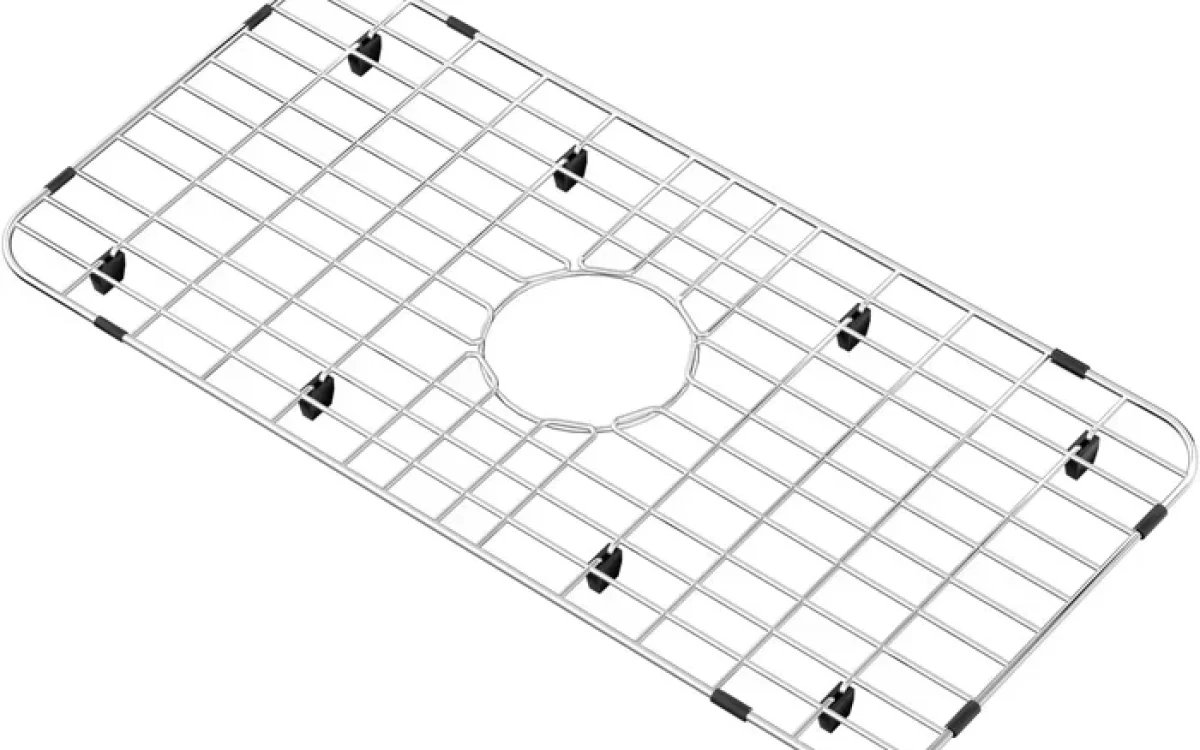
A kitchen sink bottom grid is a metal or rubber mat that fits inside your sink basin. It usually has a flat base with raised edges and a pattern of holes or ridges on top. The design allows water to drain while keeping your dishes, glasses, and utensils from touching the bottom of the sink directly.
Think of it like a protective cushion for your sink. When you place a plate or a heavy pot on the grid, the grid absorbs the impact. Without it, those items hit the bare sink surface and can cause damage over time.
Most sink bottom grids are made from stainless steel, which matches the look of most kitchen sinks perfectly. You can also find them in plastic, silicone, and rubber materials. Each type has its own benefits, which we will cover later in this article.
Common Types You Will Find
Not all sink grids are the same. Here are the most common types you will come across when shopping for a sink bottom grid:
- Standard stainless steel grids: These are the most popular option. They are durable, easy to clean, and blend seamlessly with stainless steel sinks.
- Silicone grids: Soft and flexible, these grids are gentle on delicate items like glassware. They also provide a non-slip surface.
- Plastic grids: Budget-friendly and lightweight, plastic grids are a good choice for rental homes or temporary use.
- Rubber grids: These offer excellent noise reduction and are great at preventing items from sliding around in the sink.
Each type serves the same basic purpose, but the material you choose can affect how the grid feels, how long it lasts, and how well it reduces noise.
Top Benefits of Adding a Kitchen Sink Bottom Grid
It Protects Your Sink from Scratches and Dents
This is the number one reason people buy a kitchen sink bottom grid. Your sink takes a beating every day. Plates, forks, knives, and pots all get placed in it multiple times a day. Over weeks and months, this constant contact can leave marks and scratches on the sink surface.
A sink bottom protector creates a buffer between your dishes and the sink. The raised surface of the grid keeps items elevated and prevents them from grinding against the sink floor. This is especially important if you have a high-end sink that you want to keep looking brand new.
For those with stainless steel sinks, scratches can be particularly noticeable. Even small abrasions can catch light and look unsightly. A grid helps maintain the clean, polished look of your sink for years to come.
It Cuts Down on Annoying Noise
Do you hate the sound of dishes clanking against the bottom of your sink? You are not alone. Many people find the noise of a bare sink to be one of the most annoying parts of kitchen cleanup.
A kitchen sink bottom grid acts as a sound dampener. The grid absorbs the impact when you set down a plate or a bowl, replacing that harsh clang with a soft thud. Some grids are specifically designed with noise reduction in mind, featuring extra padding or rubberized bases.
This is a small change that can make a big difference in your daily kitchen experience. If you have an open-plan kitchen or live in a small home where noise travels easily, a sink grid can be a real game changer.
Better Drainage Means Less Standing Water
One of the most practical benefits of a sink bottom grid is improved drainage. Most grids feature a pattern of holes or slits that allow water to flow through and into the drain. This prevents water from pooling at the bottom of your sink.
Standing water in the sink can lead to several problems. It can cause odors, promote bacteria growth, and make your sink look dirty even after you have just washed dishes. A grid helps keep water moving, which keeps your sink fresher and cleaner.
Some grids also feature a slight tilt or channel design that directs water toward the drain. This is a thoughtful detail that can improve the functionality of your sink significantly.
Cleaning Becomes a Breeze
A sink bottom grid makes cleaning your sink much easier. Without a grid, food particles and debris can get stuck in the corners and crevices of your sink basin. You have to scrub around the drain and along the edges to get everything clean.
With a grid in place, most debris sits on top of the surface where you can easily rinse it away. You can lift the grid out, rinse it under the faucet, and give your sink a quick wipe. The whole process takes seconds.
Many sink grids are also dishwasher safe, which makes maintenance even simpler. Just toss it in with your next load of dishes, and it comes out clean and ready to go.
How to Pick the Perfect Kitchen Sink Bottom Grid
Measure Your Sink First
Before you buy a kitchen sink bottom grid, grab a tape measure. The grid needs to fit snugly inside your sink basin. If it is too small, it will shift around when you run water or place items on it. If it is too large, it may not fit at all.
Measure both the length and width of your sink at the bottom. Also, check the depth of the sink basin. Some sinks are deeper than others, and this can affect how the grid sits inside. Most manufacturers list the compatible sink sizes on their product pages, so always double-check before ordering.
Keep in mind that sinks can vary even within the same model. A slight difference in depth or shape can affect the fit. When in doubt, choose a grid that is slightly smaller rather than slightly larger.
Material Choices Compared
The material of your sink bottom grid affects its durability, noise reduction, and appearance. Here is a quick comparison of the most common materials:
- Stainless steel: Durable, long-lasting, and matches most sink styles. It offers moderate noise reduction and is easy to clean.
- Silicone: Flexible, soft, and gentle on glassware. It provides good noise dampening but may not be as durable as metal.
- Plastic: Lightweight and affordable, but it may crack or warp over time. Best for temporary or budget use.
- Rubber: Excellent noise reduction and grip, but it can be harder to clean and may retain odors if not maintained properly.
For most kitchens, a stainless steel grid strikes the best balance between durability, appearance, and function. It is the go-to choice for homeowners who want a reliable sink bottom protector that will last for years.
Style and Design Tips
A kitchen sink bottom grid does not have to look boring. Many manufacturers now offer grids with decorative patterns, perforated designs, and even branded logos. You can choose a grid that complements your kitchen style.
Consider the overall look of your kitchen. If you have a modern, minimalist kitchen, a simple grid with clean lines might be the best fit. For a more traditional kitchen, a grid with a classic pattern can add a touch of elegance.
Color is another factor to consider. While silver stainless steel is the most common, some grids come in black, white, or other colors. Choose a color that either blends in with your sink or adds a subtle contrast for a stylish touch.
Installation and Care Made Simple
How to Install Your Grid
One of the best things about a kitchen sink bottom grid is how easy it is to install. There are no tools required and no complicated setup. Simply place the grid at the bottom of your sink, center it over the drain, and you are done.
Here is a quick step-by-step guide:
- Clean the bottom of your sink thoroughly with warm water and mild soap.
- Dry the surface completely so the grid sits flat and stable.
- Place the grid over the drain, making sure it is centered and even.
- Check that the grid does not shift when you press down gently on it.
- Run water to test the drainage and make sure everything is working properly.
That is it. No adhesives, no screws, no fuss. When you want to remove the grid for cleaning, just lift it out and rinse it off.
Keeping It Clean and Fresh
Maintaining your sink bottom grid is quick and easy. Food particles and grease can build up on the grid over time, so regular cleaning is important. A simple rinse under warm water after each use will keep most buildup at bay.
For a deeper clean, remove the grid and scrub it with a soft sponge and a bit of dish soap. If you notice stubborn stains or grime, soak the grid in a mixture of warm water and baking soda for about 15 minutes before scrubbing.
Avoid using harsh abrasive cleaners or steel wool on your grid, especially if it is made of stainless steel or silicone. These can scratch the surface and diminish its appearance. A gentle approach will keep your sink bottom protector looking great for a long time.
Common Mistakes People Make with Sink Bottom Grids
Even though a kitchen sink bottom grid is simple to use, there are a few common mistakes people make. Avoiding these pitfalls will help you get the most out of your grid:
- Buying the wrong size: Always measure your sink before purchasing a grid. A grid that does not fit properly will slide around and may not provide adequate protection.
- Ignoring drainage: Some grids have very fine patterns that can trap debris and slow down drainage. Choose a grid with adequate spacing for proper water flow.
- Skipping regular cleaning: A dirty grid can actually make your sink less hygienic. Food particles trapped in the grid can cause odors and bacteria buildup.
- Using the wrong material for your needs: If noise reduction is your top priority, a rubber or silicone grid may be a better choice than a thin stainless steel one.
- Overloading the grid: While most grids are sturdy, they are not designed to support extremely heavy items like large stockpots for extended periods. Be mindful of weight limits.
By being aware of these mistakes, you can choose and use your grid more effectively. A little care goes a long way in getting the best performance from your sink bottom grid protector.
Is a Kitchen Sink Bottom Grid Worth It?
The short answer is yes. A kitchen sink bottom grid is one of the most affordable and practical kitchen accessories you can buy. It protects your sink, reduces noise, improves drainage, and makes cleaning faster and easier.
Think of it as insurance for your sink. A quality sink can cost several hundred dollars, and replacing it is no small expense. A grid that costs a fraction of that price can extend the life of your sink by years. It is a small investment with a big return.
Whether you are renovating your kitchen or simply looking for ways to improve your daily routine, a kitchen sink bottom grid deserves a spot on your list. It is a simple upgrade that delivers real, tangible benefits every single day.
Once you start using a sink grid, you will wonder how you ever managed without one. It is one of those kitchen essentials that quietly makes your life better without demanding any extra effort from you.
Conclusion
A kitchen sink bottom grid is a small accessory that delivers big results. It protects your sink from scratches, reduces annoying noise, improves drainage, and makes cleaning a breeze. With so many styles and materials to choose from, there is a grid out there for every kitchen and every budget.
Take the time to measure your sink, choose the right material, and enjoy the difference a quality sink bottom protector can make. Your kitchen and your sink will thank you for it every single day.
If you have been putting off this simple upgrade, now is the perfect time to make the change. A kitchen sink bottom grid is a total game changer, and once you experience the difference, you will never look back.
Frequently Asked Questions
Can I use a kitchen sink bottom grid with any sink type?
Most grids are designed to fit standard rectangular and oval sinks. However, the fit depends on the size and shape of your specific sink. Always measure your sink basin before purchasing a grid to ensure a proper fit. Some manufacturers offer custom or adjustable options for unusual sink shapes.
Will a sink bottom grid affect my sink’s drainage?
No, a well-designed grid actually improves drainage. The holes or slits in the grid allow water to flow through freely and into the drain. Just make sure to choose a grid with adequate spacing and clean it regularly to prevent debris from blocking the drainage holes.
How often should I clean my kitchen sink bottom grid?
You should rinse your grid after each use to remove food particles and debris. A deeper clean with warm soapy water once a week is usually enough to keep it fresh. If you notice odors or heavy buildup, soak the grid in baking soda water for a more thorough clean.
Are silicone sink grids better than stainless steel ones?
It depends on your needs. Silicone grids are softer and gentler on delicate items like glassware, and they provide excellent noise reduction. Stainless steel grids are more durable, longer-lasting, and match the look of most stainless steel sinks. Choose the material that best fits your priorities.
Can a kitchen sink bottom grid prevent sink stains?
Yes, to a large extent. By preventing dishes and utensils from directly contacting the sink surface, a grid reduces the chance of scratches and marks that can lead to staining. It also helps prevent standing water, which can cause water spots and mineral buildup on the sink surface.
Is it hard to remove the grid for cleaning?
Not at all. Most sink bottom grids are designed to be lightweight and easy to lift out. You can rinse them under the faucet or place them in the dishwasher for a hassle-free cleaning experience. This makes maintenance quick and effortless.