Knowing the right kitchen knife cuts transforms how you cook at home. This guide covers every essential cut from basic chopping to advanced brunoise. You will learn proper technique, safety tips, and practical examples so you can chop like a pro in no time.
Every great meal starts with one simple thing — how you cut your ingredients. Kitchen knife cuts are the building blocks of cooking. Whether you are making a quick weeknight stir-fry or preparing a fancy dinner for guests, your knife skills set the tone. When you learn the right way to slice, dice, and chop, everything changes.
Home cooks often skip learning proper technique. They grab a knife and just start hacking away. But this approach wastes time, creates uneven pieces, and can be dangerous. The good news is that basic knife cuts are easy to learn. With a little practice, you will move faster, cook more evenly, and feel much more confident in the kitchen. This guide walks you through every cut you need to know.
You do not need fancy equipment or years of training. A sharp chef’s knife and a stable cutting board are all you need. We will cover everything from the simplest slice to the more precise brunoise cut. By the end, you will have a complete toolkit of knife skills that will level up your cooking instantly.
Key Takeaways
- Basic knife cuts form the foundation of all home cooking and save you real time during meal prep.
- Uniform cuts ensure even cooking so every piece of food is done at the same time.
- Proper knife grip and stance prevent injuries and make your cuts more precise.
- Intermediate cuts like julienne and batonnet open up new recipes and presentation styles.
- Advanced cuts such as brunoise and chiffonade elevate your dishes and show real knife skills.
- Knife care and safety are just as important as the cuts themselves for long-term use.
- Practice makes perfect — consistent repetition builds muscle memory and confidence.
📑 Table of Contents
Why Proper Kitchen Knife Cuts Matter
Some people think cutting vegetables is just cutting vegetables. But there is a big difference between a rough chop and a deliberate, precise cut. Proper knife cuts affect flavor, texture, cooking time, and even how your food looks on the plate.
When you cut ingredients to the right size, they cook evenly. A huge chunk of onion and a tiny sliver of onion will not finish cooking at the same time. This is why uniform cuts matter so much. Your food tastes better when every piece is the same size.
There is also the speed factor. Once you master knife skills, you will notice how much faster meal prep becomes. Instead of struggling with a dull blade and awkward angles, you will flow through your vegetables like butter. Many home cooks say that practicing knife cuts saved them at least 15 minutes on every dinner they prepare.
Safety is another huge reason to learn proper technique. A knife that moves with control is safer than one that slips and slides. When you use the right cutting technique, your fingers stay put and your food gets cut exactly how you want it.
How Knife Cuts Affect Cooking
Different cuts release different amounts of flavor. A finely minced garlic clove gives a strong, spread-out taste. A rough chop gives a milder, more rustic flavor. The way you cut your herbs changes how they release oils and aroma. Even something as simple as a bias cut on a carrot changes how it absorbs sauce during cooking.
Texture is just as important. A fine dice melts into a soup. A large chunk holds its shape in a stew. Understanding knife cut sizes helps you control the final result of every dish you make.
Essential Basic Knife Cuts for Beginners
Before you move to fancy techniques, you need to nail the basics. These fundamental knife cuts appear in almost every recipe. Master them first, and everything else becomes much easier.
The Slice
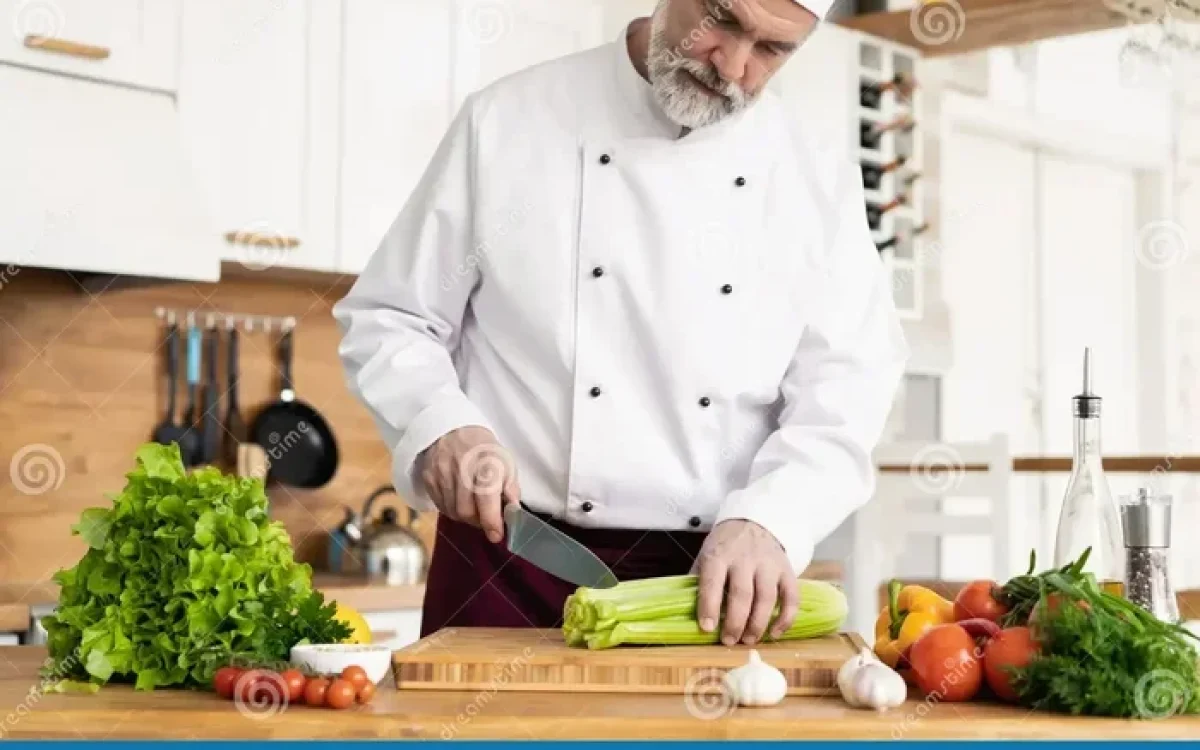
The slice is the most basic cut in all of cooking. You simply cut through food in a straight motion. Use a smooth forward-and-back rocking motion with your chef’s knife. Keep your fingers tucked under in the claw grip. This cut works for vegetables, fruits, bread, and meats.
The key to a good slice is consistency. Try to make each piece the same thickness. This is especially important when you are slicing onions or tomatoes for a salad.
The Chop
A chop is a more forceful cut than a slice. You bring the knife down in one firm motion. Use this for rough cuts where precision is not the main goal. Chops work great for nuts, parsley stems, or any ingredient you want broken into smaller pieces.
For a rough chop, you just break the food into bite-sized or hand-sized pieces. There is no need to be exact. For a fine chop, you keep going until the pieces are very small and uniform.
The Dice
Dicing means cutting food into small, square-shaped pieces. This is one of the most common kitchen knife cuts you will use. Recipes often call for small, medium, or large dice.
A small dice is about 1/4 inch. A medium dice is around 1/2 inch. A large dice is about 3/4 inch. The size you choose depends on the recipe and how quickly you want the ingredient to cook.
The Mince
Mincing is the finest cut you will learn. You chop food into tiny, almost paste-like pieces. This technique is perfect for garlic, fresh ginger, and fresh herbs. A good mince releases maximum flavor because it breaks open more cell walls.
To mince, first rough chop the ingredient. Then keep your knife tip on the board and rock the blade back and forth. Use the flat side of the blade to press down and gather the pieces. Repeat until you reach the desired fineness.
Intermediate Knife Cuts Every Home Cook Should Learn
Once you feel comfortable with the basics, it is time to level up. These intermediate cuts are used in professional cooking and home kitchens alike. They add variety and precision to your meals.
The Julienne Cut
A julienne cut turns vegetables into thin, matchstick-shaped strips. Each piece is usually about 2 to 3 inches long and 1/8 inch thick. This cut is perfect for stir-fries, salads, and garnishes.
To julienne a carrot, first cut it into thin planks. Stack the planks and cut them into sticks. Practice makes this faster, and soon you will be cutting julienne strips in seconds.
The Batonnet Cut
The batonnet is similar to julienne but thicker. Each piece is about 1/4 inch by 1/4 inch and 2 to 3 inches long. You will use this cut for french fries, pickling vegetables, and crudite platters.
Think of the batonnet as the medium-sized sibling of the julienne. It holds its shape well during cooking and gives a satisfying bite in every piece.
The Bias Cut
A bias cut means slicing at an angle instead of straight across. This creates oval-shaped pieces that are larger than a straight cut. The angled surface area absorbs more marinade and sauce, which boosts flavor.
Use a bias cut on green beans, carrots, and cucumbers. It also makes vegetables look more elegant on a plate. This is one of those cuts that makes home-cooked food look restaurant-quality.
The Chiffonade
Chiffonade is a technique for cutting leafy herbs and greens into thin ribbons. You stack the leaves, roll them up tightly, and slice across the roll. The result is beautiful, delicate ribbons of basil, mint, or spinach.
This cut is perfect for garnishing soups, pastas, and salads. It also releases the oils in fresh herbs more evenly than tearing them by hand.
Advanced Knife Cuts for Confident Cooks
Advanced cuts take precision to a whole new level. They are common in French cooking and fine dining. But any home cook can learn them with patience and practice.
The Brunoise Cut
The brunoise is one of the smallest and most precise cuts. It creates tiny cubes about 1/8 inch in size. You typically start with a julienne and then cut those sticks into very small squares.
This cut is used in soups, sauces, and stuffings. A fine brunoise of onion, carrot, and celery is the base of many classic French mirepoix dishes. The tiny pieces melt into sauces and create a smooth, refined texture.
The Paysanne Cut
The paysanne cut creates rustic, geometric shapes. You cut vegetables into thin, flat pieces in circles, triangles, or diamonds. The pieces are about 1/8 inch thick and vary in shape.
This cut is great for hearty stews and rustic dishes. The irregular shapes add visual interest and cook quickly because they are so thin. It is a forgiving cut, so it is perfect for beginners who want to try something more advanced.
The Tourne Cut
The tourne cut is a seven-sided barrel shape. It is one of the most challenging cuts to master. Each piece is about 2 inches long and has a rounded, uniform shape on all sides.
Professional chefs use the tourne cut for elegant presentation. It takes serious practice to get right, but even a rough attempt looks impressive. Root vegetables like carrots, turnips, and potatoes work best for this technique.
Knife Safety and Care Tips
Good knife skills mean nothing if you do not stay safe. A sharp knife is actually safer than a dull one. A dull blade requires more force, which makes it more likely to slip. Keep your knives sharp and your focus sharp too.
Always use a stable cutting board. A damp towel underneath the board prevents it from sliding. Keep your non-cutting hand in the claw grip at all times. Your fingertips tuck inward so the knuckles guide the blade.
Clean your knives by hand with warm soapy water. Never leave them sitting in a sink full of water where you cannot see them. Store knives in a block, sheath, or drawer insert to protect the blades and your fingers.
Quick Tips for Better Knife Cuts
- Keep your knife sharp and hone it before every cooking session.
- Use the full length of the blade when rocking through food for smoother cuts.
- Cut in a rhythmic motion to build speed without sacrificing control.
- Always cut away from your body to stay safe.
- Practice the same cut repeatedly until it becomes second nature.
- Use the right knife for each task — a serrated knife for bread, a paring knife for small work.
- Keep your workspace clean so you can focus on your technique.
Common Mistakes to Avoid
- Using a dull knife — this is the number one cause of kitchen injuries.
- Cutting on glass or marble surfaces — these damage the blade and slip easily.
- Rushing through cuts — speed comes with practice, not force.
- Ignoring the claw grip — this is the single most important safety habit.
- Trying advanced cuts before mastering basics — build a strong foundation first.
How to Practice Knife Cuts at Home
The best way to improve is to practice regularly. Set aside 10 to 15 minutes before each cooking session just to work on your cuts. Buy a bag of carrots, onions, and potatoes and start chopping. You do not even need a recipe — just practice builds skill.
Try to cut the same vegetable the same way over and over. Focus on consistency. Time yourself and try to get faster each session. Within a few weeks, you will notice a huge difference in your speed and confidence.
You can also practice with purpose. When a recipe calls for a fine dice, take your time and do it right. When you need julienne strips for a stir-fry, focus on making them even. Every cooking session becomes a mini practice session.
Over time, kitchen knife cuts will feel natural and automatic. You will not think about technique anymore — you will just cut. That is when you know the skills have stuck.
Final Thoughts on Mastering Kitchen Knife Cuts
Learning kitchen knife cuts is one of the best investments you can make as a home cook. It saves time, improves safety, and makes your food taste better. From the simple slice to the precise brunoise, each cut has its place in the kitchen.
Start with the basics and build from there. Do not get frustrated if your first attempts are messy. Every professional chef started exactly where you are now. The only difference is they kept practicing.
Grab your chef’s knife, clear your cutting board, and spend some time with these cuts this week. You will be amazed at how much your cooking improves. Kitchen knife cuts are a skill that stays with you for life, and every meal you make will be better because of them.
Frequently Asked Questions
What are the most important kitchen knife cuts to learn first?
Start with the slice, chop, dice, and mince. These four basic knife cuts appear in almost every recipe you will ever follow. Once you feel confident with those, move on to julienne, batonnet, and chiffonade.
How do I keep my knife sharp for better cuts?
Hone your knife on a steel before every use, and have it professionally sharpened every few months. A sharp chef’s knife makes every kitchen knife cut cleaner and safer. Always hand-wash your knives and store them properly to protect the edge.
What is the difference between a dice and a mince?
A dice creates small square pieces that are still visible, usually 1/4 inch or larger. A mince is much finer, almost like a paste. Mincing releases more flavor, which is why it is the go-to cut for garlic and fresh herbs.
Can I learn proper knife cuts without professional training?
Absolutely. Many home cooks master knife skills through online videos, practice, and patience. Focus on the claw grip, a sharp blade, and consistent cuts. You do not need culinary school to cut like a professional.
Why do recipes specify a certain knife cut size?
The size of your knife cut affects how fast and evenly food cooks. Smaller pieces cook faster and release more flavor. Larger pieces hold their shape and texture. Following the specified cut size ensures your dish turns out exactly as intended.
What type of cutting board is best for knife cuts?
Wood or bamboo cutting boards are the best choices. They are gentle on knife edges and provide a stable surface. Avoid glass, marble, or granite boards, which dull your blade quickly and can be slippery. A good board makes a big difference in your kitchen knife cuts.