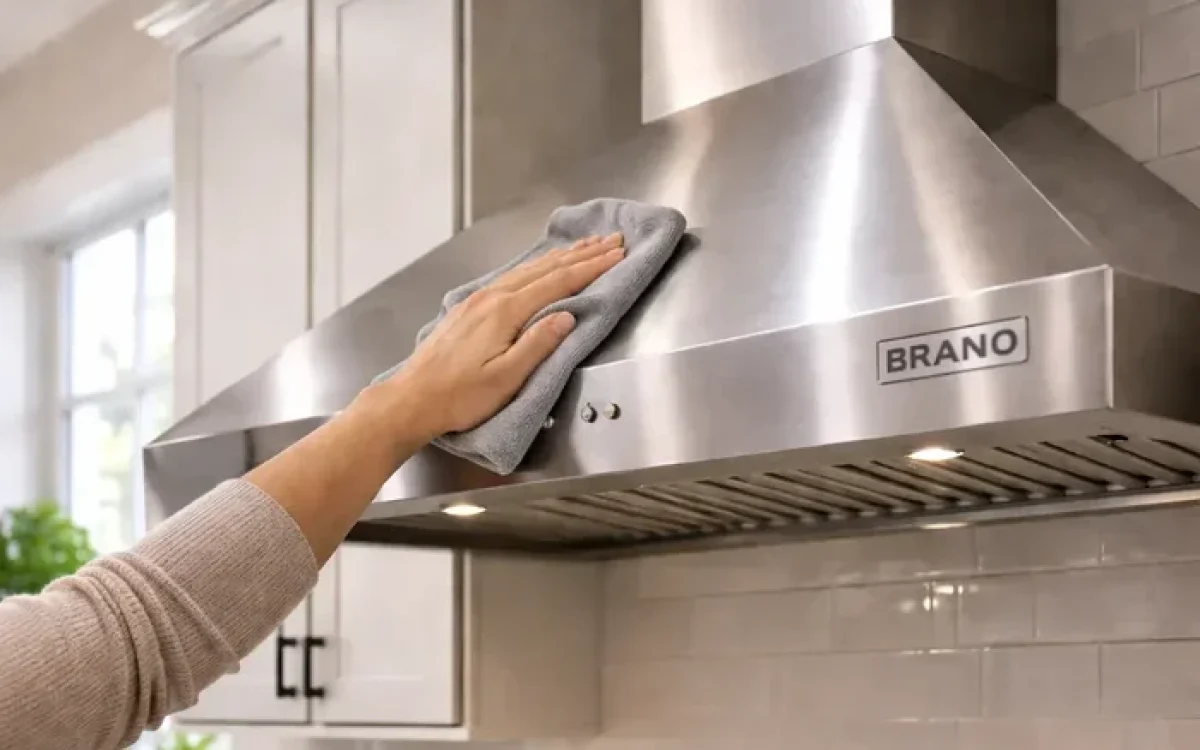
Choosing the right kitchen hood cleaners keeps your kitchen safe, fresh, and free from dangerous grease build-up. This guide covers every type of cleaner, what to look for, and how to use them properly. You will find practical tips, top product picks, and simple steps to make your range hood shine.
Your kitchen hood works hard every day. It pulls smoke, steam, and cooking fumes out of your home. Over time, grease builds up on every surface. This sticky layer can cause bad smells, reduce airflow, and even become a fire risk. That is why kitchen hood cleaners are so important.
Finding the right cleaner does not have to be confusing. Whether you need a quick weekly wipe or a powerful grease removal solution, this guide has you covered. We will walk you through every option, every feature, and every tip you need. By the end, you will know exactly which kitchen hood cleaner fits your home best.
A clean range hood also means better kitchen ventilation. When airflow is not blocked by grime, your kitchen stays cooler and fresher. Cooking smells fade faster. And your appliance lasts longer. Let us dive into everything you need to know about choosing and using the best kitchen hood cleaners on the market today.
Key Takeaways
- Regular cleaning prevents fire hazards: Grease build-up in kitchen hoods is a leading cause of kitchen fires.
- Multiple cleaner types exist: Sprays, foams, gels, and wipes all work differently for different messes.
- Look for non-toxic formulas: Safe ingredients protect your family and pets while still cutting through tough grease.
- Match the cleaner to your hood type: Stainless steel, aluminum, and plastic hoods need different cleaning approaches.
- DIY solutions work well too: Baking soda, vinegar, and dish soap can handle light cleaning tasks.
- Consistency beats intensity: A quick weekly wipe-down saves you from heavy deep-cleaning later.
📑 Table of Contents
Why Kitchen Hood Cleaners Matter
Many people forget about their kitchen hood until smoke sets off the alarm. But regular cleaning with the right kitchen hood cleaners does much more than make things look nice. It keeps your family safe and your kitchen running smoothly.
The Hidden Dangers of Grease Build-Up
Every time you cook, tiny grease droplets fly into the air. They stick to the hood, the filter, and the ducts above. Over weeks and months, this layer thickens. A thick grease coating inside your kitchen exhaust cleaning system creates real risks. The National Fire Protection Association reports that cooking equipment causes nearly half of all home fires. Grease is the main fuel source for these fires.
Beyond fire danger, built-up grease causes other problems. It attracts dust and dirt. It creates stubborn odors that linger in your kitchen. It can even block airflow so your hood does not work efficiently. Using a quality degreaser spray or foaming cleaner on a regular schedule prevents all of these issues.
How Often Should You Clean Your Kitchen Hood?
How often you need to clean depends on how much you cook. If you cook daily, you should wipe down the hood every week. A deeper clean with strong kitchen hood cleaners should happen every one to three months. If you fry a lot or cook with lots of oil, you may need to clean more often.
Here is a simple schedule you can follow:
- Weekly: Wipe the exterior with a damp cloth and mild cleaner.
- Monthly: Remove and wash the filter with hot water and degreaser.
- Every 3 Months: Deep clean the hood surface, light fixtures, and surrounding areas.
- Annually: Inspect and clean the ductwork and vents if accessible.
Sticking to this routine makes every cleaning session faster and easier. Light build-up removal takes minutes. Heavy cleaning can take hours. The choice is yours.
Types of Kitchen Hood Cleaners
Not all kitchen hood cleaners work the same way. Different formulas target different types of grease and different surfaces. Understanding your options helps you pick the right one for the job.
Degreaser Sprays
Degreaser spray is the most popular type of hood cleaner. These sprays are designed to break down grease quickly. You spray them on, let them sit for a few minutes, and wipe away the grime. Many brands offer heavy-duty formulas that handle weeks of build-up in one application.
Look for sprays labeled as heavy-duty degreaser or kitchen appliance cleaner. Some work on stainless steel, while others are safe for aluminum and plastic surfaces. Always check the label before spraying.
Foaming Cleaners
Foaming cleaner clings to vertical surfaces better than liquid sprays. The foam sits on the hood and works into the grease without dripping off. This makes it ideal for cleaning the sides and top of your range hood.
Foaming kitchen hood cleaners are great for deep clean sessions. They need a little more dwell time, usually 5 to 10 minutes, but they deliver powerful results. Many professional cleaners prefer foaming formulas for a reason.
Gel Cleaners
Gel cleaner is thicker than spray or foam. It sticks to horizontal surfaces like the top of the hood and the underside of the vent. This makes it perfect for cleaning filters and flat surfaces where grease collects the most.
You can also use gel cleaner on oven surfaces and stovetop backsplashes. The thick formula stays in place and does not run, giving it more time to dissolve tough grease. For kitchen ventilation maintenance, a good gel cleaner is a must-have.
Wipes and Towels
Pre-moistened cleaning wipes are the fastest option for light cleaning. They work well for weekly wipe-downs when there is no heavy build-up. Simply pull a wipe, clean the surface, and toss it. They are convenient but not strong enough for heavy grease.
For tougher jobs, you can use cleaning towels soaked in your favorite cleaning solution. Reusable microfiber cloths work great here. They are eco-friendly and save money over time.
DIY and Natural Cleaners
You do not always need a store-bought product. Many household items make excellent kitchen hood cleaners. A mix of hot water, dish soap, and a splash of vinegar cuts through light grease easily. For tougher spots, a paste of baking soda and water works wonders.
Non-toxic cleaner recipes are safe for homes with children and pets. They do not leave harsh chemical smells behind. If you prefer a green approach to kitchen safety, DIY options are worth trying first.
How to Pick the Right Kitchen Hood Cleaner for Your Home
With so many products on the shelf, choosing the right one can feel overwhelming. These simple guidelines will help you narrow it down.
Consider Your Hood Material
The material of your hood determines which cleaners are safe to use. Stainless steel hoods are the most common. They need a cleaner that cuts grease without scratching the surface. Look for stainless steel cleaner formulas that also remove grease.
Aluminum hoods are lighter and more affordable. They can be cleaned with most degreasers, but avoid abrasive pads. Plastic and painted surfaces are more sensitive. Use gentle, non-abrasive appliance cleaners on these materials.
Check the Ingredients
Read the label before you buy. The best kitchen hood cleaners use surfactants and solvents that dissolve grease without damaging surfaces. Avoid products with harsh chemicals that leave strong fumes. If you have a small kitchen with limited airflow, a low-odor formula makes the cleaning process much more comfortable.
For families with young children or pets, choose non-toxic cleaner options. These products are free from harmful fumes and residues. They are just as effective at cutting grease without the health risks.
Think About the Level of Build-Up
Light, regular cleaning needs a gentle formula. A simple degreaser spray or wipe works perfectly. Heavy build-up requires something stronger. Heavy-duty degreaser products are formulated to dissolve weeks or even months of accumulated grease in one session.
If you have not cleaned your hood in a long time, start with a foaming cleaner or gel cleaner. Let it sit for 10 to 15 minutes before wiping. This soak time makes a huge difference in how much grease comes off.
Look for Ease of Use
A good cleaner should be easy to apply and easy to wipe off. Spray bottles with adjustable nozzles give you control over how much product you use. Wipe-off formulas that do not leave streaks save you time. If a product requires a lot of scrubbing, it might not be the best fit for your routine.
Also consider the size of the bottle. A larger container saves money for regular use. But if you only clean your hood once a month, a smaller size prevents waste.
Read Reviews and Recommendations
Before buying any kitchen hood cleaner, check what other users say. Look for reviews that mention real-world results on grease removal. Pay attention to comments about smell, ease of application, and surface compatibility. Trusted brands with consistent positive feedback are usually a safe bet.
Top Features to Look For in Kitchen Hood Cleaners
Not all kitchen hood cleaners are created equal. Here are the features that separate a good product from a great one.
- Grease-cutting power: The cleaner should dissolve grease quickly without requiring endless scrubbing.
- Surface compatibility: It should work safely on stainless steel, aluminum, plastic, and painted surfaces.
- Fast action: The best products start breaking down grease within 1 to 2 minutes of contact.
- Low odor: A pleasant or neutral scent makes the cleaning process more enjoyable.
- Non-toxic formula: Safe ingredients protect your health and your indoor air quality.
- Residue-free finish: After wiping, the surface should look clean and shiny without sticky residue.
- Versatility: A cleaner that works on the hood, the filter, and surrounding kitchen surfaces saves you money.
What Makes a Cleaner Heavy-Duty?
Heavy-duty degreaser formulas typically contain stronger solvents like d-limonene or glycol ethers. These ingredients break the bond between grease and the surface. They allow the grease to slide right off when you wipe it away.
However, heavy-duty does not always mean harsh. Many modern kitchen hood cleaners use plant-based solvents that are powerful yet gentle on surfaces. Look for products that balance strength with safety.
Why Non-Toxic Matters
Your kitchen is where you prepare food. Using harsh chemicals near your cooking area can leave residues on surfaces and in the air. Non-toxic cleaner products use natural or biodegradable ingredients to dissolve grease. They are safe for use around food preparation areas and do not require you to cover your countertops before cleaning.
For kitchen safety, always rinse surfaces with clean water after using any cleaner, even non-toxic ones. This removes any remaining residue and keeps your cooking environment truly clean.
How to Use Kitchen Hood Cleaners Effectively
Even the best kitchen hood cleaners will not work well if you do not use them correctly. Follow these steps for the best results every time.
Step-by-Step Cleaning Process
- Turn off and cool the hood: Make sure the range hood is switched off and completely cool before you start cleaning.
- Remove the filter: Most filters lift out or twist free. Check your hood manual if you are unsure.
- Soak the filter: Place the filter in a sink or basin filled with hot water and a few drops of dish soap. Add a tablespoon of baking soda for extra grease-fighting power. Let it soak for 15 to 30 minutes.
- Spray the hood surface: Apply your chosen kitchen hood cleaner to the exterior surfaces. For foaming cleaner, spray generously and let it sit for 5 minutes.
- Wipe down the hood: Use a soft cloth or sponge to wipe away the dissolved grease. Work in circular motions for the best results.
- Scrub the filter: After soaking, scrub the filter with a soft brush to remove any remaining grease. Rinse thoroughly with clean water.
- Dry everything: Use a dry cloth to wipe all surfaces dry. This prevents water spots and keeps your stainless steel cleaner results looking great.
- Reassemble the hood: Put the filter back in place and turn the hood on for a minute to clear any remaining fumes.
Quick Tips for Better Results
- Clean your filter in the dishwasher once a month for a hands-off approach.
- Use a toothbrush to reach tight corners and crevices around the hood lights.
- Wipe up spills immediately to prevent grease from hardening.
- Replace your filter every 6 to 12 months for optimal performance.
- Keep a spray bottle of kitchen hood cleaner in your kitchen for quick touch-ups.
Common Mistakes to Avoid
Even experienced home cooks make mistakes when cleaning their kitchen hoods. Here are the most common ones to watch out for.
Using abrasive scrubbers: Steel wool and rough pads scratch stainless steel and leave permanent marks. Always use soft cloths or sponges with your kitchen hood cleaners.
Skipping the filter: The filter catches most of the grease. If you only clean the hood surface, the filter continues to clog and reduce airflow. Clean or replace your filter regularly.
Using the wrong cleaner on the wrong surface: A harsh oven cleaner may damage a painted or plastic hood. Always match your cleaner to your hood material.
Not letting the cleaner sit: Many people spray and immediately wipe. This removes only surface grease. Letting the cleaning solution sit for 5 to 10 minutes allows it to penetrate and dissolve deep grease.
Ignoring the ducts: The ductwork above your hood collects grease too. If you notice reduced airflow or persistent odors, it may be time for a professional duct cleaning service.
Maintenance Tips for a Sparkling Kitchen Hood
Cleaning is only half the battle. Regular maintenance keeps your hood working at its best and extends its lifespan.
Daily Habits That Help
- Turn on the hood 5 minutes before cooking and keep it running 5 minutes after.
- Wipe up any oil splashes on the hood surface right away.
- Use a splatter screen when frying to reduce grease spray.
- Keep the area around the hood clear of clutter and paper towels.
Monthly Maintenance Routine
Set a reminder on your phone to clean your hood filter once a month. Remove the filter, wash it with hot soapy water, and let it air dry completely before putting it back. Spray the hood exterior with a light degreaser spray and wipe it down. This simple routine prevents heavy build-up and keeps your kitchen ventilation system running efficiently.
When to Call a Professional
Sometimes grease build-up goes beyond what home cleaning can handle. If you notice a persistent grease smell, reduced airflow, or visible grease dripping from the hood, call a professional kitchen exhaust cleaning service. They have the tools and expertise to clean your entire system safely and thoroughly.
Professionals also inspect your ductwork for blockages or damage. This is especially important in commercial kitchens but can benefit home kitchens too. Regular professional cleaning once a year complements your at-home routine and ensures long-lasting performance.
Conclusion
Keeping your kitchen hood clean is one of the most important things you can do for your home. It improves safety, boosts airflow, and keeps your kitchen smelling fresh. The right kitchen hood cleaners make this job faster, easier, and more effective.
Choose a cleaner that matches your hood material, your cleaning frequency, and your family’s needs. Whether you prefer a powerful heavy-duty degreaser, a gentle non-toxic cleaner, or a simple DIY solution, consistency is what matters most. Clean regularly, maintain your filter, and never let grease build-up go unchecked.
Your kitchen hood works hard for you every day. Give it the care it deserves with the best kitchen hood cleaners on the market. Your kitchen will be safer, fresher, and more inviting for years to come.
Frequently Asked Questions
What are the best kitchen hood cleaners for heavy grease?
Heavy-duty degreaser sprays and foaming cleaners are the most effective for thick grease build-up. Look for products with d-limonene or glycol ether as active ingredients. Let the cleaner sit for 10 minutes before wiping for the best results.
Can I use kitchen hood cleaners on stainless steel surfaces?
Yes, but choose a cleaner specifically labeled safe for stainless steel. Harsh chemicals can scratch or discolor the surface. Always wipe in the direction of the grain and dry the surface after cleaning to prevent water spots.
How often should I replace my range hood filter?
Most range hood filters should be replaced every 6 to 12 months. If you cook frequently or fry a lot, you may need to replace them sooner. A clogged filter reduces airflow and makes your hood less effective at removing smoke and odors.
Are natural or DIY kitchen hood cleaners effective?
Yes, for light to moderate grease. A mixture of hot water, dish soap, and vinegar works well for weekly maintenance. Baking soda paste handles tougher spots. However, heavy grease build-up usually requires a commercial heavy-duty degreaser for complete removal.
Is it safe to use kitchen hood cleaners near open flames?
Always turn off the stove and let the hood cool completely before cleaning. Most kitchen hood cleaners are flammable, so keep them away from pilot lights and open flames. Wipe all surfaces dry before turning the stove back on.
What is the difference between a degreaser and a regular cleaner?
A degreaser is specifically formulated to break down and dissolve grease using strong solvents or surfactants. A regular cleaner is designed for general dirt and light grime. For kitchen hood cleaning, a dedicated grease removal product will always outperform a standard all-purpose cleaner.