The average height of a kitchen table is typically 28 to 30 inches from the floor. This standard measurement ensures comfortable dining and proper posture for most adults. In this guide, you will learn why height matters, how different table types vary, and how to measure for the perfect fit in your kitchen.
Finding the right average height of a kitchen table can transform your daily meals. A table that sits too low or too high causes discomfort and even pain. Most people do not think about this detail until they buy a new table. Then they wonder why their back hurts after dinner. This guide breaks down everything you need to know. You will learn the standard heights, why they matter, and how to choose the best fit for your home.
Once you set the perfect average height of a kitchen table, you can enjoy a meal like The Ultimate Italian Sandwich with total comfort. The right height makes every bite feel better. It also improves the flow of your kitchen. Let us dive into the numbers and the reasons behind them.
Key Takeaways
- Standard height: The average height of a kitchen table is 28–30 inches, which works for most dining chairs.
- Ergonomics matter: Matching table height to chair seat height prevents back strain and promotes good posture.
- Counter and bar heights: Counter-height tables run 34–36 inches, and bar-height tables reach 40–42 inches for tall stools.
- Measure your space: Always check floor dimensions and chair clearance before buying a table.
- Avoid common mistakes: Do not pick a table based on looks alone, and never ignore leg placement that blocks legroom.
- Adjustability: Some tables offer adjustable legs, making it easy to fine-tune the height for comfort.
📑 Table of Contents
The Standard Kitchen Table Height: What the Numbers Say
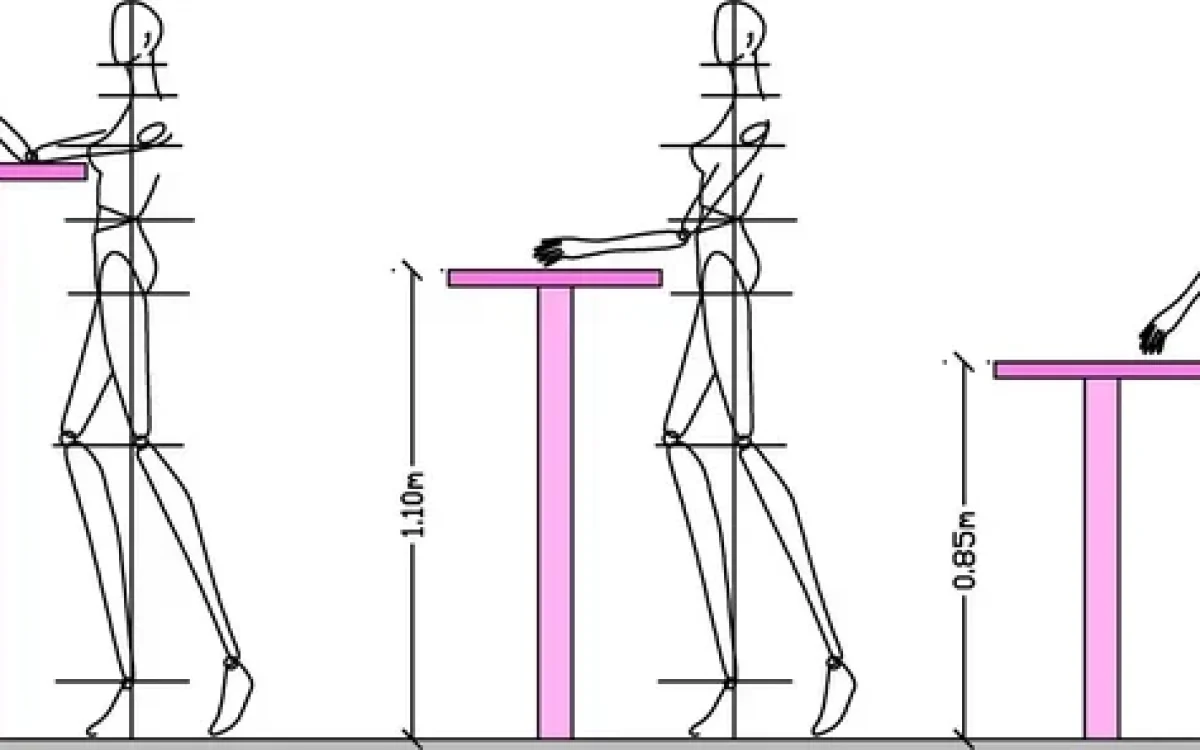
The standard kitchen table height is around 28 to 30 inches from the floor. This range has been the industry norm for decades. Furniture makers design tables with this height because it works for most adults. The average chair seat height is 18 inches. When you pair a 30-inch table with an 18-inch chair, your elbows rest at a 90-degree angle. This position reduces strain on your shoulders and neck.
Industry-Recommended Heights
Many furniture guidelines point to 28–30 inches as the sweet spot. The National Kitchen and Bath Association also suggests this range. They base it on average human body proportions. A table at 28 inches feels slightly lower and cozy. A table at 30 inches feels a bit more formal. Both are correct. The key is to match the table with your existing chairs.
How Height Varies by Table Type
Not all tables sit at the same level. Some styles demand a different height. Here is a quick look at common types:
- Standard dining tables: 28–30 inches. Best for regular chairs.
- Counter-height tables: 34–36 inches. Great for kitchen islands or casual dining.
- Bar-height tables: 40–42 inches. Designed for tall bar stools.
- Children’s tables: 22–24 inches. Built for smaller bodies.
Each type serves a different purpose. The average height of a kitchen table usually refers to the standard dining height. But you may love the look of a counter-height table. That is perfectly fine as long as you pair it with the right seating.
Why the Right Height Makes a Difference
Table height is not just about looks. It directly affects your comfort and health. Sitting at the wrong height for a long time can cause real problems. You might feel numbness in your legs. You could develop shoulder tension. Even your digestion can suffer if you sit too slouched. The right height keeps your body in a natural, relaxed position.
Comfort and Posture
When your table is at the correct height, your feet rest flat on the floor. Your knees bend at a 90-degree angle. Your forearms rest comfortably on the table surface. This posture allows you to eat, talk, and relax without strain. A table that is too low forces you to hunch forward. A table that is too high raises your shoulders. Both feel awful after 20 minutes.
Matching Table Height to Chair Height
The golden rule is to subtract 10–12 inches from the table height to get the ideal chair seat height. For a 30-inch table, look for chairs with an 18-inch seat. For a 36-inch counter table, choose chairs with a 24–26-inch seat. This gap ensures your elbows clear the table edge. You can slide your plate in easily. It also keeps your thighs from hitting the table underside.
A well-matched set makes a huge difference. You will notice it the first time you sit down. It is like finding the perfect spot to enjoy a warm Tortellini Lasagna without any discomfort. The meal feels better when your body is at ease.
Kitchen Table Types and Their Typical Heights
Kitchen tables come in many shapes and sizes. Their height often depends on the style and the room’s purpose. Here we break down the most popular types and their standard measurements.
Standard Rectangular Tables
The classic rectangular table is the most common choice. It usually stands 28–30 inches tall. This height works for four to eight people. You can find them in wood, glass, or metal. A standard rectangular table fits well in a formal dining room or a casual kitchen. It pairs with regular dining chairs. The average height of a kitchen table in this category is 29 inches, which is the most widely sold size.
Round and Square Tables
Round and square tables follow the same height rules as rectangular ones. They typically sit at 28–30 inches. The shape changes the feel of the room, not the height. A round table can soften a small kitchen. A square table works well for two to four people. Both styles still need the right chair height to feel comfortable.
Counter-Height and Bar-Height Tables
Counter-height tables rise to 34–36 inches. Bar-height tables go even higher, at 40–42 inches. These taller tables create a modern, open look. They work great with kitchen islands. They also invite a more casual, social atmosphere. You can use them for quick breakfasts or standing dinners. But you must use tall stools or chairs. Regular chairs will not work with a counter-height table. A casual dinner with Tortellini Lasagna is perfect at a bar-height table with tall stools.
| Table Type | Standard Height (inches) | Ideal Chair Seat Height (inches) | Best For |
|---|---|---|---|
| Standard Dining | 28–30 | 18–20 | Regular chairs, family meals |
| Counter-Height | 34–36 | 24–26 | Kitchen islands, casual dining |
| Bar-Height | 40–42 | 28–30 | Bar stools, open-concept spaces |
| Children’s | 22–24 | 12–14 | Kids’ play or study areas |
Use this table as a quick reference. It helps you match the right table with the right seat. The average height of a kitchen table in the standard category remains the most versatile choice for most homes.
How to Measure and Choose the Perfect Height
Choosing the right height is simple when you follow a few steps. You do not need special tools. Just a tape measure and some basic knowledge will do. Here is how to get it right.
Measuring Your Space
First, measure the floor area where the table will sit. Leave at least 36 inches of clearance around the table. This space allows chairs to slide out easily. It also lets people move around comfortably. Mark the spots on the floor with tape. Then measure the width and length of that area. Write down the numbers. They will guide your table choice.
Considering Your Chair Height
If you already have chairs, measure their seat height. Place the tape measure from the floor to the top of the seat. Write that number down. Then add 10–12 inches. The result is your ideal table height. For example, if your chair seat is 18 inches, your table should be 28–30 inches. This simple math takes the guesswork out of shopping.
Quick Tips for Getting It Right
- Bring your chair to the store. Sit in it and check if the table feels right.
- Test the elbow position. Your elbows should rest lightly on the table without raising your shoulders.
- Check legroom. Make sure you can slide your knees under the table easily.
- Consider the table surface. A thicker tabletop adds height. Factor that in when measuring.
- Think about the room’s purpose. A kitchen table for quick meals may suit a counter-height design.
These tips help you avoid buyer’s remorse. They ensure your new table feels like it has always belonged in your home. For a relaxed family lunch, try The Ultimate Italian Sandwich at your perfectly set table. The experience will feel complete.
Common Mistakes to Avoid When Selecting a Table
Many people make simple mistakes when buying a kitchen table. They focus on the look and forget the function. Here are the top errors to watch out for.
Ignoring the Floor Space
A beautiful table can feel cramped if the room is too small. Always measure your floor space first. Do not rely on the picture or the description alone. Walk around the area. Imagine chairs pulled out. You need at least 36 inches of clearance on all sides. Without that space, the table will block traffic in your kitchen.
Choosing Style Over Comfort
Style matters, but comfort matters more. A sleek, low table may look trendy. But if it is too low for your chairs, you will hate it. Do not sacrifice the average height of a kitchen table for a design trend. Instead, find a table that looks great and sits at the right height. Many modern tables come in standard heights, so you do not have to choose between style and comfort.
Forgetting About Table Leg Placement
Table legs can block your knees and legs. A center pedestal leg leaves more floor space than four corner legs. If you have large chairs or wide seats, check the leg layout before you buy. A table with a single center leg often provides the best legroom. This small detail makes a big difference in daily comfort.
Final Thoughts and Recommendations
The average height of a kitchen table is a simple yet powerful detail. It affects your posture, your comfort, and your overall dining experience. Stick to the 28–30 inch range for standard dining. Choose counter or bar heights only if you have the right stools. Always match the table to your chair seat height. Measure your space first. And never ignore the legroom under the table.
A well-chosen table lasts for years. It becomes the heart of your kitchen. You will gather around it for breakfast, lunch, and dinner. You will share stories over meals like The Ultimate Italian Sandwich. The right height makes every moment better. Take your time, measure carefully, and enjoy the process of finding your perfect table.
Frequently Asked Questions
What is the standard height for a kitchen table?
The standard height for a kitchen table is 28 to 30 inches from the floor. This range works with most regular dining chairs that have an 18-inch seat height. It keeps your elbows at a comfortable 90-degree angle while eating.
Can I use a counter-height table in a regular kitchen?
Yes, you can use a counter-height table in a regular kitchen. These tables stand 34 to 36 inches tall. You will need to pair them with taller chairs or stools that have a 24- to 26-inch seat height. This setup works well for casual meals and kitchen islands.
How do I measure the right table height for my existing chairs?
Measure the seat height of your chair from the floor to the top of the seat. Then add 10 to 12 inches. The result is your ideal table height. For example, an 18-inch seat needs a 28- to 30-inch table. This simple calculation ensures a perfect match.
Are bar-height tables and counter-height tables the same?
No, they are not the same. Bar-height tables are taller, usually 40 to 42 inches. Counter-height tables are 34 to 36 inches. Bar-height tables require bar stools with a 28- to 30-inch seat height. Counter-height tables need chairs with a 24- to 26-inch seat height.
What happens if my kitchen table is too low?
A table that is too low forces you to hunch forward. This posture strains your back, shoulders, and neck. You may feel numbness in your legs over time. If your table is too low, consider adding risers or choosing a taller table that matches your chair height.
Does table height affect the dining experience?
Yes, table height greatly affects the dining experience. The right height promotes good posture and comfort. It makes meals more enjoyable and social. When your body is at ease, you can focus on the food and the conversation. A comfortable setup turns even a simple meal into a pleasant event.