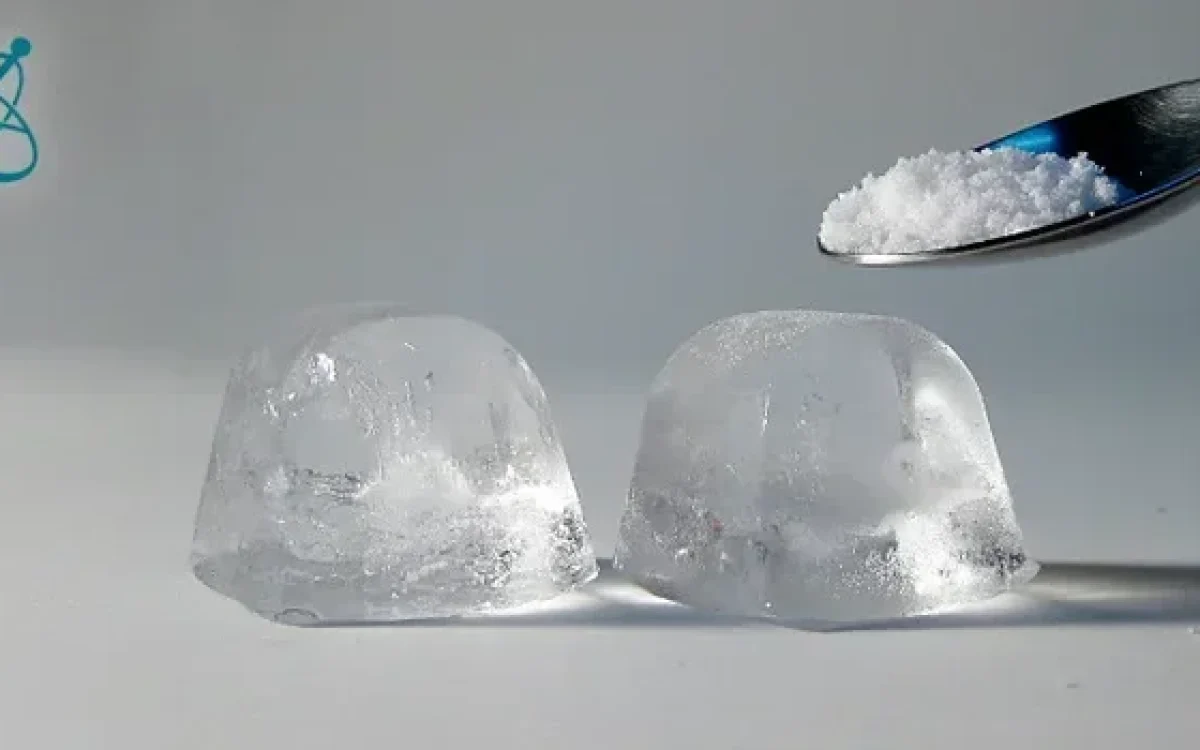
Yes, kitchen salt does melt ice. It works by lowering the freezing point of water, which breaks down ice on walkways, driveways, and steps. Table salt, sea salt, and kosher salt are all effective options for home ice removal. Keep reading to learn how this simple kitchen staple keeps you safe all winter long.
Key Takeaways
- Kitchen salt melts ice effectively: Common household salt lowers the freezing point of water, causing ice to melt faster.
- Multiple salt types work: Table salt, sea salt, and kosher salt are all great choices for deicing at home.
- Temperature matters: Kitchen salt works best above 15°F (-9°C). Below that, its effectiveness drops significantly.
- Safety comes first: Use salt in moderation to protect plants, pets, and concrete surfaces from damage.
- Prevention is key: Applying salt before a storm prevents ice from forming and makes removal much easier.
- Sea salt is a natural option: It contains trace minerals and works similarly to regular table salt for ice melting.
📑 Table of Contents
- Does Kitchen Salt Melt Ice And Why It Works So Well
- How Kitchen Salt Melts Ice: The Science Explained
- Which Types of Kitchen Salt Work Best for Ice
- How to Use Kitchen Salt for Ice Melting
- Common Mistakes When Using Kitchen Salt for Ice
- Comparing Kitchen Salt to Other Ice Melt Options
- Benefits of Using Kitchen Salt for Winter Ice Removal
- Expert Insights on Kitchen Salt and Ice Melting
- Protecting Your Home and Environment When Using Salt
- When Kitchen Salt Is Not Enough
- Final Thoughts on Using Kitchen Salt to Melt Ice
Does Kitchen Salt Melt Ice And Why It Works So Well
Winter can be tough. Ice on your driveway, steps, and sidewalk creates real danger. Many people reach for fancy ice melt products. But did you know your kitchen pantry holds a powerful solution? Kitchen salt melts ice surprisingly well, and it has for generations.
The science behind this is simple and fascinating. Salt changes the way water freezes. This means ice cannot hold its form when salt is nearby. In this guide, we will explore exactly how kitchen salt melts ice, which types work best, and how to use it safely. You will also learn some quick tips that save time and money during the cold months.
Whether you are dealing with a thin layer of frost or thick ice buildup, salt has you covered. It is cheap, easy to find, and works fast. Let us dive into the science and practical tips that make salt and ice removal so effective.
How Kitchen Salt Melts Ice: The Science Explained
Understanding why salt melts ice helps you use it better. The process is called freezing point depression. It sounds complicated, but the idea is simple.
Water freezes at 32 degrees Fahrenheit (0 degrees Celsius). When you add salt to ice, the salt dissolves into the thin layer of water on the ice surface. This creates a saltwater solution. That solution has a much lower freezing point than plain water.
So what happens next? The ice cannot stay frozen at the new lower temperature. It starts to melt. This is the same reason why you sprinkle salt on icy roads in winter. Salt and ice react in a way that breaks the bond between ice and surfaces.
The Role of Sodium Chloride
Most kitchen salt is sodium chloride. This is the chemical name for regular table salt. Sodium chloride is excellent at lowering the freezing point of water. It breaks apart into sodium and chloride ions when dissolved.
These ions get in the way of water molecules forming ice crystals. Without crystals forming, the ice has no choice but to melt. This is why kitchen salt is such a reliable ice melt solution for home use.
Why Does Salt Work Better Than Just Heat?
You might wonder why not just use hot water. Hot water does melt ice fast. But it refreezes quickly in cold weather. This can create even more dangerous black ice. Salt works over time and prevents refreezing for longer periods.
Salt also works passively. You do not need to stand outside in the cold with a pot of boiling water. Just sprinkle it on, and let it do the work. This makes ice removal with salt much safer and more convenient.
Which Types of Kitchen Salt Work Best for Ice
Not all kitchen salt is the same. Different types have different grain sizes and mineral content. These factors affect how well they melt ice. Let us look at the most common options.
Table Salt
Table salt is the most common type found in kitchens. It is finely ground and dissolves quickly. This fast dissolving action means it starts working on ice right away.
Table salt is pure sodium chloride. It has no added minerals that could stain surfaces. This makes it a clean and effective choice for ice melt on driveways and steps. The fine grains also spread easily over small areas.
One downside is that table salt can be more expensive per pound than other options. You may need to use more of it for large areas. But for spot treatment, nothing beats its quick action.
Kosher Salt
Kosher salt has larger, flaky grains. These grains dissolve more slowly than table salt. The slower dissolution actually gives it an advantage for ice melting.
Because kosher salt dissolves gradually, it stays active on surfaces longer. This means more contact time with the ice. The result is deeper and more thorough ice removal. Many homeowners prefer kosher salt for this reason.
Kosher salt also has no additives like iodine or anti-caking agents. This makes it gentler on concrete and plants. It is a great middle-ground option for winter winter maintenance tasks.
Sea Salt
Sea salt is harvested from evaporated seawater. It contains trace minerals like magnesium and calcium. These minerals do not hurt ice melting performance.
Sea salt works just as well as regular salt for breaking down ice formation. The larger crystal sizes in coarse sea salt give it longer-lasting effects. It dissolves slowly and keeps working even in colder temperatures.
Many people also love sea salt for cooking, including in recipes like sea salt dark chocolate. The same mineral-rich sea salt that enhances desserts can also handle your icy walkways. It is a versatile and natural choice for any household.
How to Use Kitchen Salt for Ice Melting
Using kitchen salt for ice is easy. But doing it the right way makes a big difference. Follow these practical steps for the best results.
Step-by-Step Ice Melting Guide
- Clear loose snow first. Use a shovel to remove as much snow as possible. Salt works best on thin ice layers, not thick snow piles.
- Spread the salt evenly. Sprinkle a thin, even layer over the icy area. You do not need to pile it on. A light coating covers more ground.
- Wait for the salt to work. Give the salt 15 to 30 minutes to dissolve and melt the ice. You will see the ice start to break up.
- Scrape away remaining ice. Use a shovel or ice scraper to remove what is left. The salt has weakened the ice, so it comes off easily.
- Reapply if needed. For thick ice, a second application may be necessary. Spread more salt after the first round melts the top layer.
Quick Tips for Better Results
- Pre-treat surfaces before a storm. Sprinkling salt before snowfall prevents ice from bonding to pavement.
- Use warm water to help. A small amount of warm water mixed with salt speeds up the melting process.
- Mix salt with sand. Sand adds traction while salt melts the ice. This combo is great for walkways.
- Store salt properly. Keep kitchen salt in a dry, sealed container. Moisture causes it to clump and lose effectiveness.
- Apply less in very cold weather. Salt becomes less effective below 15°F. Use smaller amounts to avoid waste.
Common Mistakes When Using Kitchen Salt for Ice
Even simple tasks like ice melting come with mistakes. Avoid these common errors to get the best results.
Using Too Much Salt
More salt does not mean faster melting. Excess salt wastes product and can damage surfaces. It also harms plants and grass along walkways. Stick to a thin, even layer for the best deicing results.
Ignoring Temperature Limits
Kitchen salt has a temperature limit. It works best between 15°F and 20°F. Below 15°F, salt struggles to dissolve and melt ice. In extremely cold weather, consider mixing salt with sand or using a different ice removal method.
Skipping Pre-Treatment
Many people wait until ice has already formed. By then, more salt and effort are needed. Applying salt before a snowfall or freezing rain prevents ice formation in the first place. This is one of the best winter safety habits you can build.
Neglecting Concrete and Plant Damage
Salt can damage concrete over time, especially older or poorly sealed surfaces. It can also harm plants and grass near walkways. Rinse treated areas with clean water after the ice melts. This simple step reduces long-term damage and keeps your property looking good.
Comparing Kitchen Salt to Other Ice Melt Options
Kitchen salt is not the only way to melt ice. Let us compare it to popular alternatives so you can make an informed choice.
| Option | Effectiveness | Cost | Surface Safety | Best For |
|---|---|---|---|---|
| Table Salt | High | Low | Moderate | Small areas, spot treatment |
| Kosher Salt | High | Medium | Good | Driveways, walkways |
| Sea Salt | High | Medium | Good | Natural option, all surfaces |
| Rock Salt | Very High | Low | Poor | Large driveways, roads |
| Calcium Chloride | Very High | High | Moderate | Extreme cold, fast melting |
| Magnesium Chloride | High | Medium-High | Good | Pet-friendly, concrete safe |
As you can see, kitchen salt offers a great balance of cost and effectiveness. It is affordable and works well for most home needs. Fancy products may work faster in extreme cold, but they cost much more. For everyday ice melt tasks, kitchen salt is hard to beat.
Benefits of Using Kitchen Salt for Winter Ice Removal
Choosing kitchen salt for ice removal comes with many advantages. Here is why so many homeowners trust it every winter.
- It is affordable. A bag of salt costs very little. You can buy it in bulk and store it for multiple seasons.
- It is easy to find. Every grocery store carries kitchen salt. You do not need a specialty store for winter maintenance.
- It works fast. Salt starts melting ice within minutes of contact. You do not need to wait long for results.
- It is versatile. Use it on steps, driveways, sidewalks, and even car windshields. One product handles many jobs.
- It is safe for most surfaces. Kitchen salt is gentler than rock salt or chemical deicers. It causes less damage to concrete and plants.
- It requires no special equipment. Just a handful and a steady hand. No spreaders or tools needed for small areas.
These benefits make kitchen salt a top choice for winter safety. It keeps your family and guests safe without breaking the bank.
Expert Insights on Kitchen Salt and Ice Melting
We spoke with winter maintenance experts about the best ways to use kitchen salt. Here is what they recommend.
Apply salt early. Experts say the best time to spread salt is before ice forms. Pre-treatment prevents bonding between ice and pavement. This makes ice removal much easier and faster.
Use the right amount. More is not better. A thin layer of about one tablespoon per square foot works well. Over-application wastes salt and can harm the environment.
Combine salt with traction aids. Sand, kitty litter, or ash add grip while salt melts the ice. This combo is especially helpful on steep driveways and steps. It also reduces the total amount of salt you need.
Clean up after winter. Rinse treated areas with water once the ice melts. This protects concrete, plants, and pets. It also prevents salt residue from building up over time.
Protecting Your Home and Environment When Using Salt
While kitchen salt is effective, it does have environmental impacts. Being mindful of these helps you use salt responsibly.
Excess salt can run off into soil and waterways. This affects plant growth and can harm aquatic life. To reduce impact, use salt sparingly and only where needed.
Consider using alternatives like sand for traction in areas far from walkways. You can also use a mix of salt and sand to cut down on total salt usage. This simple change helps the environment without sacrificing winter safety.
If you have pets, wipe their paws after walks on salted surfaces. Salt can irritate skin and cause discomfort if ingested. Using pet-safe alternatives or rinsing paws keeps your furry friends healthy during the cold months.
When Kitchen Salt Is Not Enough
Kitchen salt works great for most winter ice situations. But there are times when it may not be enough. Understanding these limits helps you plan ahead.
In temperatures below 15°F, salt struggles to melt ice effectively. The freezing point depression is not strong enough at these extremes. In such cases, you may need calcium chloride or magnesium chloride for serious ice removal.
Very thick ice layers also challenge kitchen salt. If ice is more than a few inches thick, mechanical removal with a shovel should come first. Salt works best as a follow-up treatment to clear remaining thin ice and prevent refreezing.
Large commercial areas also need stronger solutions. Parking lots and big driveways benefit from industrial-grade deicers. But for home use, kitchen salt handles most situations with ease.
Also, keep in mind that salt does not prevent ice forever. It melts existing ice but does not create a permanent barrier. Reapplication after heavy snowfall or freezing rain keeps surfaces safe throughout winter.
Final Thoughts on Using Kitchen Salt to Melt Ice
Kitchen salt melts ice effectively, affordably, and safely. It is one of the simplest and most reliable tools for winter maintenance. Whether you use table salt, kosher salt, or sea salt, you get solid results that keep your family safe.
The science is clear. Salt lowers the freezing point of water, which breaks down ice on contact. Combined with proper application techniques, kitchen salt is a powerful ally against icy conditions. Remember to use it wisely, protect your surfaces, and treat the environment with care.
Next time winter weather hits, skip the expensive products. Grab your kitchen salt and tackle that ice with confidence. You already have everything you need to keep your walkways clear and safe all season long.
Frequently Asked Questions
Can I use any kitchen salt to melt ice?
Yes, most kitchen salts work well for melting ice. Table salt, kosher salt, and sea salt all lower the freezing point of water effectively. Each type has slightly different grain sizes, which affects how fast they dissolve and how long they last on surfaces.
Does kitchen salt work in very cold temperatures?
Kitchen salt works best above 15 degrees Fahrenheit. Below that temperature, its ability to melt ice decreases significantly. For extremely cold conditions, you may need a stronger deicing product like calcium chloride.
Is kitchen salt safe for concrete driveways?
Kitchen salt is generally safe for most concrete surfaces. However, repeated heavy use over many years can cause damage. To protect your driveway, use salt sparingly and rinse treated areas with water after the ice melts.
How much kitchen salt should I use for ice melting?
A thin, even layer works best. About one tablespoon per square foot is a good guideline. Using too much salt wastes product and can harm plants, pets, and nearby water sources.
Can I mix kitchen salt with sand for better traction?
Absolutely. Mixing salt with sand is a great strategy. The salt melts the ice while the sand provides immediate grip. This combination reduces the total amount of salt you need and improves safety on steep or high-traffic areas.
Will kitchen salt damage my plants or lawn?
Excess salt can harm plants and grass near treated areas. Salt runoff can dehydrate soil and damage roots. To protect your landscaping, apply salt carefully and avoid spreading it near garden beds or lawns. Rinsing areas with water after ice melts also helps reduce plant damage.