A kitchen waste disposer is a powerful under-sink appliance that grinds food scraps into tiny particles, sending them safely through your plumbing. It eliminates odors, cuts down on trash, and makes kitchen cleanup faster and easier. Whether you live in a house or apartment, this simple device can seriously upgrade your daily routine. Read on to learn everything you need to know about choosing, installing, and maintaining one.
Let’s talk about something that changes the way you handle your kitchen every single day. A kitchen waste disposer is one of those small appliances that quietly does a huge job behind the scenes. If you have ever stood over a stinking trash can full of banana peels and eggshells, you know exactly the kind of problem this device solves.
The idea is simple. You scrape your plate, flip a switch, and the unit grinds everything into tiny bits that wash down the drain. No more bagging smelly food waste. No more trips to the outdoor bin in the rain. It is one of the easiest upgrades you can make to your kitchen hygiene routine.
In this guide, we will cover everything you need to know. From how a waste disposal unit actually works to choosing the right model and keeping it running smoothly. By the end, you will understand why so many homeowners are making the switch to a garbage disposal under their sink.
Key Takeaways
- Saves Time and Effort: A kitchen waste disposer gets rid of food scraps in seconds, cutting your cleanup time dramatically.
- Improves Kitchen Hygiene: Grinding food waste immediately prevents bacteria growth and bad odors in your trash can.
- Eco-Friendly Choice: Using a waste disposal unit reduces landfill waste and supports sustainable living at home.
- Easy to Install and Maintain: Most units install under your sink with basic tools, and upkeep is simple.
- Choose the Right Model: Consider motor power, noise level, and capacity when picking the best garbage disposal for your household.
- Avoid Common Mistakes: Not all food belongs in a disposer, so knowing what to grind and what to avoid is essential.
📑 Table of Contents
- What Is a Kitchen Waste Disposer and Why Do You Need One?
- How Does a Kitchen Waste Disposer Work?
- Top Benefits of a Kitchen Waste Disposer
- Choosing the Right Kitchen Waste Disposer for Your Home
- Installation and Maintenance Made Easy
- Common Mistakes and How to Avoid Them
- Expert Insights on Kitchen Waste Disposers
- Conclusion
What Is a Kitchen Waste Disposer and Why Do You Need One?
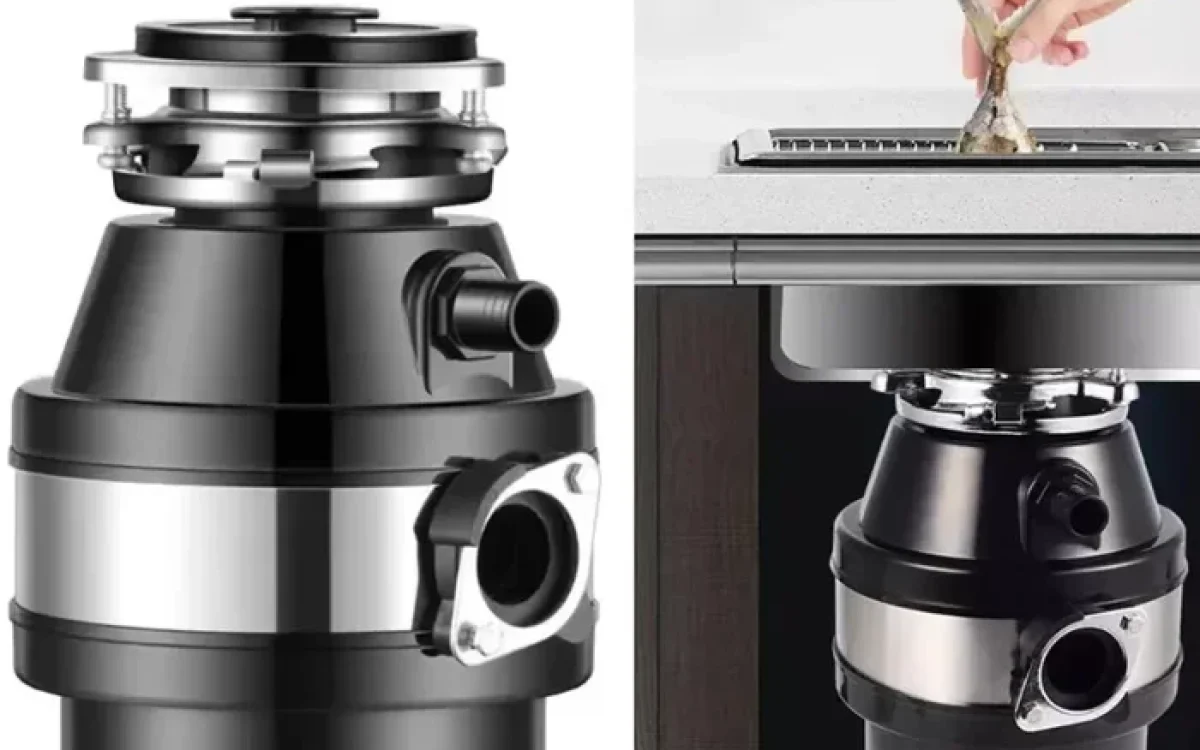
A kitchen waste disposer is a compact machine that sits underneath your sink. It connects directly to your drain and uses spinning blades or impellers to break down food scraps. The ground-up material gets flushed away with water into your plumbing system.
You might hear people call it different names. Some say garbage disposal, others call it a food waste disposer or sink disposal. They all mean the same thing. The device sits between your sink drain and the trap, processing waste as soon as you scrape your plate.
So why do you need one? Think about how much food waste your household produces every week. Vegetable peels, coffee grounds, fruit rinds, leftover rice, and bones from dinner. All of that ends up in a trash bag, sitting on your counter or in your bin. A food waste management solution like a disposer handles it instantly.
The Problem with Traditional Food Waste
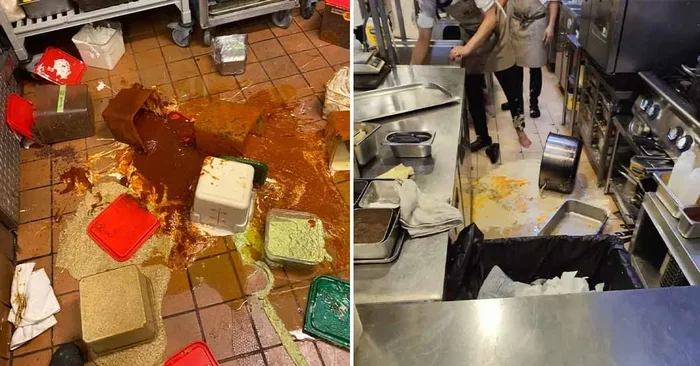
Without a kitchen waste disposer, your food scraps go straight into a bin. That bin starts to smell within hours. Fruit flies show up. Bacteria multiply. Your kitchen starts to feel less clean than it should be.
And then there is the environmental side. Food waste in landfills produces methane, a harmful greenhouse gas. When you throw scraps in the trash, they end up decomposing in a landfill with no air. A garbage disposal sends waste to a wastewater treatment plant, where it can be processed much more efficiently.
Using a waste disposal unit also means fewer trash bags. You will notice a significant reduction in how often you need to take out the kitchen garbage. That alone is a win for anyone who hates doing the dishes and taking out the trash.
How Does a Kitchen Waste Disposer Work?
Understanding how a kitchen waste disposer works helps you use it better. The process is surprisingly simple and elegant. Let us break it down step by step.
First, you scrape food scraps into the sink. You turn on the cold water. Then you flip the switch on the garbage disposal unit. The motor spins a shredder ring or impeller at high speed. This forces the food against a grinding ring, breaking it into tiny particles.
Within seconds, the ground waste is flushed through the drain by the running water. It travels through your pipes and into the sewer system or septic tank. The whole process takes less than 30 seconds for a typical meal’s worth of scraps.
Cold Water Is Your Best Friend
One important tip: always use cold water when running your waste disposal unit. Cold water keeps fats and oils solidified. They get chopped up and flushed away instead of sticking to your pipes. Hot water melts grease, and that grease can coat your pipes and cause clogs over time.
Run the cold water for about 15 seconds after you turn off the garbage disposal. This flushes all the ground particles through the drain completely. A quick rinse keeps your drain cleaning routine simple and effective.
Top Benefits of a Kitchen Waste Disposer
A kitchen waste disposer brings a surprising number of advantages to your home. Let us look at the biggest ones.
1. Better Kitchen Hygiene
Food scraps sitting in a trash can are a breeding ground for bacteria. They attract pests like fruit flies and cockroaches. A waste disposal unit eliminates that problem at the source. You grind the scraps immediately, so there is nothing sitting around to smell or attract bugs.
Your kitchen stays cleaner for longer. The trash can smells less. The overall kitchen cleanup process becomes faster and more pleasant. Many people say they cannot imagine going back to the old way of dealing with food scraps.
2. Reduced Household Waste
One of the best benefits of a garbage disposal is how much it cuts your household waste. Food scraps make up a huge portion of what we throw away every week. By grinding them up and sending them through the pipes, you reduce the amount of trash you produce significantly.
This supports sustainable living in a real, tangible way. Less trash means fewer trips to the dumpster or curb. It also means less waste going to landfills, which is better for the environment. If you care about waste reduction, a disposer is a practical step you can take every day.
3. Convenience and Time Savings
Think about how much time you spend scraping plates, wiping them down, and bagging food waste. A kitchen waste disposer cuts all of that in half. You scrape the plate into the sink, flip a switch, and rinse. Done.
For busy families, this is a game changer. It means less mess in the kitchen during and after dinner. Kids can scrape their own plates without worrying about handling smelly food. The whole household maintenance routine becomes smoother and faster.
4. Odor Control
Nothing ruins the feeling of a clean kitchen like a lingering odor from food waste. A garbage disposal tackles this problem head-on. Because scraps are ground up and flushed away immediately, they never sit around to create smells.
Some modern units even come with built-in odor control features. They use air fresheners or special grinding patterns to keep things fresh. Either way, your kitchen hygiene improves noticeably when you have a waste disposal unit running under the sink.
Choosing the Right Kitchen Waste Disposer for Your Home
Not all kitchen waste disposers are created equal. There are different types, sizes, and power levels to consider. Picking the right one for your home makes a big difference in performance and satisfaction.
Consider Your Household Size
If you live alone or with one other person, a smaller, less powerful unit works fine. A 1/3 horsepower motor handles light use easily. For a family of four or more, you want something more robust. A 1/2 or 3/4 horsepower motor gives you the power to handle larger volumes of food scraps without jamming.
Noise Level Matters
Nobody wants a loud, rattling machine under their sink. Modern garbage disposal units come with noise insulation and sound-dampening technology. If you have an open kitchen or live in an apartment, look for a quiet model. Some units operate at around 45 decibels, which is barely noticeable.
Continuous Feed vs. Batch Feed
Most home units use a continuous feed design. You keep feeding scraps in while the motor runs. This is the most convenient option for everyday use. Batch feed models require you to load the unit and then turn it on in batches. They tend to be slightly safer but less convenient.
Check Your Plumbing and Septic Setup
Before you buy, check your home’s setup. If you have a septic system, you need a waste disposal unit that is designed for septic use. These models include enzymes that help break down waste more effectively. Standard units work fine with sewer systems but may not be ideal for septic tanks without the right design.
Quick Comparison Table
| Feature | Small Unit (1/3 HP) | Medium Unit (1/2 HP) | Large Unit (3/4 HP) |
|---|---|---|---|
| Best For | Singles or couples | Small families | Large families or heavy use |
| Noise Level | Quiet | Moderate | Louder |
| Price Range | $100-$200 | $200-$350 | $350-$500+ |
| Handles Bones? | Occasionally | Yes, soft bones | Yes, most bones |
| Installation Difficulty | Easy | Easy to Moderate | Moderate |
Installation and Maintenance Made Easy
One of the best things about a kitchen waste disposer is how easy it is to install and maintain. You do not need to be a professional plumber to get it set up. Most units come with a detailed installation guide and the mounting hardware you need.
Basic Installation Steps
First, make sure you turn off the power to the sink area. Remove your old sink drain assembly. Attach the mounting bracket to the sink flange. Connect the garbage disposal unit to the bracket. Attach the discharge tube to the drain. Finally, connect the water supply and test the unit.
If you are not comfortable doing this yourself, a plumber can install it in under an hour. The cost is usually reasonable, and many waste disposal unit brands offer installation services when you purchase the unit.
Daily Maintenance Tips
Maintaining your kitchen waste disposer is incredibly simple. Here are the habits that keep it running well:
- Run cold water every time you use the unit. This solidifies grease so it gets flushed away properly.
- Grind citrus peels like lemon or orange. They naturally freshen the unit and help with odor control.
- Use ice cubes occasionally. They sharpen the grinding components and clean the inside of the unit.
- Flush with baking soda and vinegar once a month. This keeps the drain clean and fresh.
- Run the unit for 15-30 seconds after each use to make sure all scraps clear the drain.
What Never to Put in Your Disposer
Knowing what to avoid is just as important as knowing what to grind. Here are the items that can damage your garbage disposal or cause clogs:
- Grease and cooking oil – these solidify in pipes and cause blockages.
- Fibrous vegetables like celery and corn husks – they can wrap around the impellers.
- Large bones – most units cannot handle beef or pork bones.
- Coffee grounds in large amounts – they can build up and create sludge.
- Eggshells – the membrane can wrap around the shredder ring.
- Pasta and rice – they expand in water and can cause jams.
Common Mistakes and How to Avoid Them
Even with a simple appliance like a kitchen waste disposer, people make mistakes that cause problems. Let us look at the most common ones and how to avoid them.
Mistake 1: Running Hot Water
This is the number one mistake. Hot water melts fats and oils, which then coat the inside of your pipes. Over time, this creates a greasy buildup that leads to clogs. Always use cold water when grinding food waste. The cold keeps fats solid so they get flushed away cleanly.
Mistake 2: Overloading the Unit
A waste disposal unit is not a garbage can. Do not dump a whole pot of scraps in at once. Feed waste in gradually while the motor is running. Overloading the unit can cause jams, overheating, and premature wear on the motor.
Mistake 3: Ignoring Maintenance
Some people install a garbage disposal and then forget about it. Regular maintenance keeps the unit running smoothly and prevents odors. A quick monthly cleaning routine takes just a few minutes and extends the life of your unit significantly.
Mistake 4: Grinding Non-Food Items
Things like plastic, paper, glass, and metal do not belong in a kitchen waste disposer. They can damage the grinding components and cause serious plumbing issues. Only put biodegradable food waste down the drain.
Expert Insights on Kitchen Waste Disposers
We spoke with plumbing and sustainability experts to get their take on kitchen waste disposers. Here is what they had to say.
Dr. Amanda Torres, Environmental Engineer: “A waste disposal unit is one of the simplest tools households can adopt for better food waste management. When connected to a modern wastewater treatment facility, ground food waste can even be converted into biogas or fertilizer. It is a surprisingly powerful tool for sustainable living.”
Mike Chen, Licensed Plumber: “I install garbage disposals every week, and I can tell you that proper use makes all the difference. Customers who follow basic guidelines rarely call us back with problems. The key is cold water, gradual feeding, and regular cleaning. A well-maintained unit lasts 10 to 15 years easily.”
Sarah Williams, Home Organization Expert: “I always recommend a kitchen waste disposer to my clients who want a cleaner kitchen. It transforms the kitchen cleanup experience. You spend less time dealing with trash bags and more time enjoying your space. It is a small change with a big impact on daily life.”
Conclusion
A kitchen waste disposer is one of the most practical upgrades you can make to your home. It simplifies your daily routine, improves kitchen hygiene, and supports waste reduction in a meaningful way. The benefits are clear: less trash, fewer odors, faster cleanup, and a more eco-friendly kitchen.
Whether you are building a new home, renovating your kitchen, or simply looking for a smarter way to handle food scraps, a garbage disposal deserves serious consideration. It is affordable, easy to install, and incredibly convenient to use.
Start by choosing the right model for your household. Follow the maintenance tips we covered. Avoid the common mistakes that cause problems. With a little care, your waste disposal unit will serve you well for many years. Your kitchen will smell better, stay cleaner, and feel more organized. That is a transformation worth making today.
Frequently Asked Questions
Is a kitchen waste disposer hard to install?
Not at all. Most kitchen waste disposers come with clear instructions and all the mounting hardware you need. If you are comfortable using basic tools like a wrench and screwdriver, you can install it yourself in about 30 to 60 minutes. Otherwise, a plumber can handle the job quickly and affordably.
Can I put bones in a garbage disposal?
It depends on the model. Small, soft bones like chicken bones are usually fine for most garbage disposal units. Large beef or pork bones, however, can damage the shredder ring and motor. Check your unit’s manual for specific guidance on what it can handle safely.
Does a waste disposal unit use a lot of electricity?
No, a waste disposal unit uses very little electricity. A typical run uses about 500 to 1,500 watts for just a few seconds per use. Over the course of a month, the energy cost is minimal, often less than a dollar. It is one of the most energy-efficient kitchen appliances you can own.
Will a kitchen waste disposer cause plumbing problems?
When used correctly, a kitchen waste disposer does not cause plumbing problems. The key is to always use cold water and avoid grinding grease, fibrous vegetables, and non-food items. Regular maintenance and proper usage keep your pipes clear and your drain cleaning routine simple.
How do I eliminate odors from my garbage disposal?
The best way to keep your garbage disposal smelling fresh is to grind citrus peels like lemon or orange regularly. You can also run a mixture of baking soda and vinegar through the unit once a month. Ice cubes and salt help clean the grinding components and remove buildup that causes odors.
Is a kitchen waste disposer better than composting?
Both have their advantages. A kitchen waste disposer is faster and more convenient, while composting creates nutrient-rich soil for your garden. If you want a low-effort solution for daily food waste, a waste disposal unit is the better choice. If you want to create compost for gardening, composting is the way to go. Many households use both methods for different types of waste.