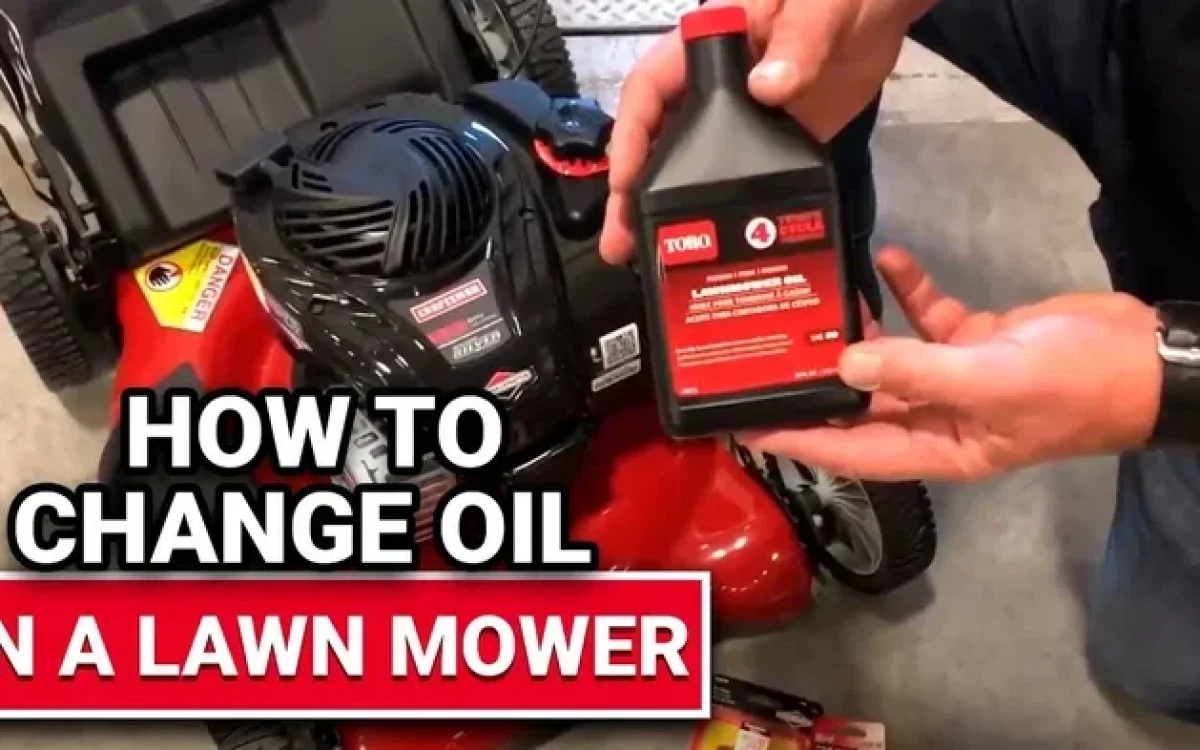
Changing your lawn mower oil is one of the easiest ways to keep your machine running strong all season long. This guide walks you through every step of the lawn mower oil change process, from picking the right small engine oil to draining the old oil and checking the level. Follow these simple steps and your mower will stay in top shape year after year.
Your lawn mower works hard every week to keep your yard looking its best. But like any engine, it needs regular care to perform at its best. One of the most important maintenance tasks is changing the oil. A lawn mower oil change might sound intimidating, but it is actually one of the simplest jobs you can do at home. In just about 15 to 20 minutes, you can have fresh oil circulating through your engine and your mower running like new.
Whether you have a push mower or a riding mower, the process is pretty much the same. The key is knowing what oil to use, how to drain the old oil safely, and when to do it. In this guide, we will walk you through every single step. You will learn about small engine oil types, the tools you need, common mistakes to avoid, and how to keep your mower in top shape for years to come. Let us get started.
Key Takeaways
- Change oil at least once per season: Fresh oil keeps your engine cool and reduces wear on internal parts.
- Use SAE 30 oil for most mowers: Check your owner’s manual to confirm the right viscosity for your model.
- Always warm up the engine first: Running the mower for a few minutes helps the old oil drain more completely.
- Dispose of used oil properly: Never pour old motor oil down drains or onto the ground.
- Replace the oil filter if applicable: A clean filter keeps contaminants out of your engine.
- Check the oil level regularly: A quick dipstick check before each use can prevent major engine damage.
- Keep a maintenance log: Tracking your oil changes helps you stay on top of your lawn mower tune up schedule.
📑 Table of Contents
- Why Changing Oil in Your Lawn Mower Matters
- Choosing the Right Oil for Your Lawn Mower
- Tools and Supplies You Will Need
- Step-by-Step Guide to Changing Oil in Your Lawn Mower
- Common Mistakes to Avoid When Changing Lawn Mower Oil
- Maintaining Your Mower Beyond Oil Changes
- When to Seek Professional Help
- Final Thoughts
Why Changing Oil in Your Lawn Mower Matters
Oil is the lifeblood of any engine. It lubricates moving parts, reduces friction, and helps keep temperatures under control. Over time, oil breaks down and becomes contaminated with dirt, grass clippings, and combustion byproducts. Dirty oil does not protect your engine the way fresh oil does. This leads to increased wear, overheating, and eventually engine failure.
Most mower manufacturers recommend changing the oil after the first five hours of use for a new mower. After that, a seasonal oil change is standard practice. If you mow frequently during the growing season, changing the oil once or twice a year is a smart move. Think of it as a lawn mower tune up that costs almost nothing and pays off big time.
Neglecting oil changes is one of the fastest ways to ruin an engine. The cost of fresh oil is just a few dollars. The cost of a new engine? Hundreds. It is a no-brainer when you think about it. Regular oil changes extend the life of your machine and keep it running efficiently.
How Often Should You Change Lawn Mower Oil?
The general rule is to change the oil once per mowing season. But there are a few factors that might require more frequent changes:
- Heavy use: If you mow more than 20 hours per season, consider changing the oil twice.
- Hot climates: High temperatures break down oil faster, so more frequent changes help.
- Dusty or dry conditions: More dirt and debris in the air means more contamination in the oil.
- New mowers: Always change the oil after the first five hours of operation.
A good rule of thumb is to check the oil level before every use. If the oil looks dark and gritty, it is time for a change. Do not wait until the mower starts smoking or running rough. By then, you may already have some engine damage.
Choosing the Right Oil for Your Lawn Mower
Not all oils are created equal. Your mower engine has specific needs that differ from your car. Using the wrong oil can cause poor performance, increased wear, or even engine damage. The most common recommendation for lawn mowers is SAE 30 single-weight oil. This works well for most walk-behind mowers and small engines in warm weather conditions.
For colder climates, a multi-viscosity oil like SAE 10W-30 might be a better choice. It flows more easily in cold starts and still provides good protection at higher temperatures. Always check your owner’s manual first. The manufacturer knows what works best for your specific engine.
Here is a quick comparison of common oil types for small engines:
- SAE 30: Best for warm weather and most standard mowers. This is the most widely used option.
- SAE 10W-30: Versatile option that works in a wider range of temperatures.
- SAE 5W-30: Synthetic option for very cold climates. Offers excellent cold-start protection.
- Synthetic blend: Provides better protection and longer intervals between changes.
One thing to keep in mind: do not use cooking oils like olive oil in your mower. Even though olive oil is great for recipes like the olive oil loaf recipe or the olive oil chocolate muffins, it is not designed for small engine use. Motor oil contains specific additives that protect against the heat and pressure inside an engine. Cooking oils will break down quickly and cause serious damage.
Understanding Oil Viscosity Ratings
The numbers on oil bottles can be confusing. The SAE rating tells you how thick the oil is at different temperatures. The first number (like the 10 in 10W-30) represents the oil’s thickness in cold temperatures. A lower number means the oil flows more easily when cold. The second number (the 30) represents the oil’s thickness at operating temperature.
For most homeowners, SAE 30 is the simplest and most reliable choice. It is affordable, widely available, and works well in the temperatures most mowers operate in. If you live in an area where temperatures regularly drop below 40 degrees Fahrenheit in the spring, consider switching to 10W-30 for easier cold starts.
Tools and Supplies You Will Need
Before you start, gather everything you need. Having all your supplies ready makes the job faster and less frustrating. Here is what you will need for a basic lawn mower oil change:
- New engine oil (check your manual for the correct amount, usually around 15 to 20 ounces)
- Oil drain pan or a clean container to catch the old oil
- Socket wrench or oil filter wrench (if your mower has an oil filter)
- Funnel for pouring in the new oil
- Clean rags or paper towels
- Jack or ramp (optional, for raising the mower if needed)
- Gloves to keep your hands clean
You do not need any special tools for most mowers. A basic socket set and a drain pan are all you really need. Some mowers have a drain plug on the bottom of the oil pan, while others require you to tilt the mower to drain the oil. Your owner’s manual will tell you which method your model uses.
Safety First: Preparing for the Oil Change
Safety should always come first when working with small engines. Before you begin, make sure the engine is cool. If you have been mowing, wait at least 10 to 15 minutes for the engine to cool down. Hot oil can cause burns, and a hot engine can ignite fuel vapors.
Disconnect the spark plug wire before you start any work on the mower. This prevents the engine from accidentally starting while you are working on it. It is a simple step that can prevent serious injury. Also, work on a flat, level surface to ensure the oil drains completely.
Step-by-Step Guide to Changing Oil in Your Lawn Mower
Now for the part you have been waiting for. Here is the complete process for changing your lawn mower oil. Follow these steps carefully, and you will have your mower running on fresh oil in no time.
Step 1: Warm Up the Engine
Start the mower and let it run for about three to five minutes. This warms up the oil and makes it thinner, so it drains out more completely. You are not trying to overheat the engine. Just a few minutes of gentle operation is enough. After the warm-up, turn off the engine and disconnect the spark plug wire.
Step 2: Prepare for Draining
Place your oil drain pan under the drain plug or oil fill area. If your mower has a drain plug on the bottom, position the pan directly below it. If your mower does not have a drain plug, you will need to tilt the mower carefully to let the oil flow out. Put a rag underneath to catch any drips.
Remove the oil fill cap or dipstick. This creates an air passage that helps the oil drain faster. Without it, the oil will drain slowly or not at all because a vacuum forms inside the engine.
Step 3: Drain the Old Oil
Use your socket wrench to loosen the drain plug. Turn it counterclockwise and remove it slowly. The old oil will start flowing into the drain pan right away. Let it drain completely. This usually takes about five to ten minutes. You can gently tilt the mower back and forth to help get every last drop out.
Once the oil has stopped dripping, wipe the drain plug clean and reinstall it. Tighten it firmly but do not overtighten. You do not want to strip the threads on the oil pan.
If your mower has an oil filter, now is a good time to replace it. Use an oil filter wrench to loosen the old filter and screw on the new one. Apply a thin coat of fresh oil to the rubber gasket on the new filter before installing it. This helps create a proper seal and makes future removal easier.
Step 4: Add New Oil
Place a funnel in the oil fill opening. Pour in the new small engine oil slowly. Check your owner’s manual for the exact amount. Most mowers take between 15 and 20 ounces of oil. Overfilling can cause the engine to smoke or run poorly, so add the oil gradually.
After adding the oil, wait a minute for it to settle into the oil pan. Then use the dipstick to check the level. The oil should be between the minimum and maximum marks on the dipstick. If it is low, add a little more. If it is high, drain a small amount out.
Step 5: Check for Leaks and Proper Operation
Reinstall the oil fill cap and reconnect the spark plug wire. Start the engine and let it run for about 30 seconds. Listen for any unusual sounds and check underneath for leaks. If everything looks and sounds normal, shut off the engine and check the oil level one more time with the dipstick.
Dispose of the old oil properly. Most auto parts stores and recycling centers accept used motor oil for free. Never pour it down a drain, onto the ground, or into a trash can. Used oil is a hazardous material that can contaminate soil and water.
Common Mistakes to Avoid When Changing Lawn Mower Oil
Even simple tasks can go wrong if you are not careful. Here are some common mistakes homeowners make when changing their mower oil, along with tips on how to avoid them:
- Using the wrong oil type: Always use the oil grade recommended by the manufacturer. Using automotive oil designed for cars is not the same as small engine oil.
- Overfilling the crankcase: Too much oil can cause the engine to smoke, lose power, or even damage the spark plug. Measure carefully.
- Forgetting to check the oil filter: If your mower has an oil filter, replacing it during every oil change keeps contaminants out of your fresh oil.
- Not warming the engine first: Cold oil is thicker and does not drain as well. A few minutes of warm-up makes a big difference.
- Improper disposal: Never throw used oil in the trash or pour it down a storm drain. Take it to a recycling center.
- Skipping the oil change entirely: Some homeowners think they can just add oil and never drain it. This leads to a buildup of contaminants and premature engine wear.
One more thing to keep in mind: some people wonder if they can use cooking oil in their mower. The answer is absolutely not. Even though the In-N-Out Flying Dutchman burger is delicious and loaded with rich flavors, the oils used in cooking are completely different from what an engine needs. Motor oil contains detergents, anti-wear additives, and viscosity modifiers that cooking oils simply do not have. Stick with proper small engine oil.
Quick Tips for a Smooth Oil Change
- Keep a dedicated drain pan just for mower oil. Label it so no one confuses it with other containers.
- Change the oil in early spring before the mowing season begins.
- Take a photo of the dipstick before you drain the oil so you know exactly where the fill line is.
- Keep a small logbook or note on your phone to track each oil change date and oil type used.
- Buy oil in bulk at the start of the season to save money and always have it on hand.
Maintaining Your Mower Beyond Oil Changes
Oil changes are just one part of keeping your mower in great shape. A complete lawn mower maintenance routine includes several other tasks that help your machine run better and last longer.
Check and Replace the Air Filter
A dirty air filter restricts airflow to the engine, which reduces performance and increases fuel consumption. Check the air filter before each mowing season and replace it if it looks clogged or damaged. Most air filters are easy to access and replace without any tools.
Sharpen or Replace the Mower Blade
A dull blade tears the grass instead of cutting it cleanly. This leaves your lawn vulnerable to disease and brown tips. Sharpen your blade at least once or twice per season and replace it if it is bent or damaged. A sharp blade also reduces the strain on your engine.
Check the Spark Plug
A worn or dirty spark plug can cause hard starting, rough idling, and poor fuel economy. Remove the spark plug, check the condition of the electrode, and clean or replace it as needed. A new spark plug is inexpensive and makes a noticeable difference in engine performance.
Inspect the Fuel System
Old fuel can gum up the carburetor and cause starting problems. At the end of the season, either use up all the fuel or add a fuel stabilizer to prevent ethanol damage. Before storing the mower for winter, run the engine for a few minutes to burn off any remaining fuel in the carburetor.
Think of your mower like a car. You would never skip oil changes on your car and expect it to last. The same logic applies to your lawn mower. Regular maintenance, including timely oil changes, keeps your machine reliable and your yard looking its best.
When to Seek Professional Help
Most oil changes are straightforward and can be done at home with basic tools. However, there are times when professional help makes sense. If your mower has a complex engine design that makes accessing the drain plug difficult, a mechanic can handle the job quickly. Similarly, if you notice persistent engine problems after an oil change, such as knocking sounds or excessive smoke, it is worth having a professional diagnose the issue.
Many local small engine repair shops offer affordable oil change services. Some even include a full inspection of your mower at no extra charge. This can be a great option if you are not comfortable working on engines or if you simply do not have the time.
Final Thoughts
Changing the oil in your lawn mower is one of the simplest and most impactful maintenance tasks you can do. It takes just a few minutes, costs very little, and keeps your engine running strong season after season. By following the steps in this guide, you can confidently handle the job yourself and save money on professional service calls.
Remember to use the right small engine oil, drain the old oil completely, and dispose of it responsibly. Add oil changes to your seasonal maintenance routine and your mower will reward you with reliable performance every time you fire it up. A well-maintained mower cuts cleaner, runs smoother, and lasts longer. That is a win for both your lawn and your wallet.
Take a few minutes today to check your oil level and make a plan for your next oil change. Your future self, and your mower, will thank you.
Frequently Asked Questions
What type of oil should I use for my lawn mower?
Most lawn mowers work best with SAE 30 single-weight oil for warm weather or SAE 10W-30 for a wider temperature range. Always check your owner’s manual first, as the manufacturer will specify the exact oil grade and amount your engine needs. Using the wrong oil can reduce performance and cause premature engine wear.
How often do I need to change the oil in my lawn mower?
For most homeowners, changing the oil once per mowing season is sufficient. New mowers should have their oil changed after the first five hours of use. If you mow frequently or in dusty, hot conditions, consider changing the oil twice per season to keep your engine protected.
Can I reuse old motor oil from my lawn mower?
Used motor oil should never be reused in your mower or any other engine. Over time, oil breaks down and accumulates contaminants that reduce its protective qualities. Instead, take your used oil to a recycling center or auto parts store that accepts it for proper disposal.
Do all lawn mowers have an oil filter?
Not all mowers have an oil filter. Many walk-behind mowers rely solely on the oil to keep the engine clean, and they do not include a replaceable filter. Riding mowers and larger engines are more likely to have an oil filter. Check your owner’s manual to see if your model has one.
What happens if I overfill my lawn mower with oil?
Overfilling can cause the engine to smoke excessively, lose power, or even damage the spark plug. Excess oil gets thrown around inside the crankcase by the moving engine parts, creating foam that reduces lubrication. If you overfill, drain the excess oil carefully until the level is correct on the dipstick.
Is it better to change oil when the engine is hot or cold?
It is best to warm up the engine for a few minutes before draining the oil. Warm oil flows more freely and drains out more completely, carrying more contaminants with it. However, do not work on a hot engine. Let it cool for 10 to 15 minutes after running to avoid burns.