Choosing the right p trap size for your kitchen sink is essential for proper drainage and preventing clogs. Most standard kitchen sinks use a 1-1/4 inch or 1-1/2 inch p trap, depending on your drain outlet and local plumbing code. This guide walks you through every size, material, and installation detail you need to know.
Every time you wash dishes, run the garbage disposal, or rinse vegetables, water flows down the drain and into a hidden piece of plumbing called the p trap. It sits beneath your sink, holding a small amount of water that blocks sewer gases from entering your kitchen. But here is the thing many homeowners overlook: the size of your p trap matters a lot. Using the wrong one can lead to leaks, slow drainage, and even code violations during a home inspection.
Whether you are replacing an old p trap or installing a new kitchen sink, getting the right size is critical. A p trap that is too small will restrict water flow and cause frequent clogs. One that is too large may not connect properly to your drain pipes. In this guide, we break down everything you need to know about p trap sizing, from standard dimensions to material choices and step-by-step installation.
Think of this as your go-to reference. We have covered every common size, explained how to measure your existing setup, and shared practical tips that save time and money. Let us get into it.
Key Takeaways
- Standard Size: Most kitchen sinks require a 1-1/2 inch p trap, though some smaller setups use 1-1/4 inch.
- Material Matters: Chrome, PVC, and brass p traps each have unique benefits for durability and cost.
- Check Your Plumbing Code: Local codes may dictate the exact size and type of p trap you must use.
- Installation Is Straightforward: With the right tools and a little patience, you can swap out a p trap in under 30 minutes.
- Match the Diameter: Always match the p trap size to your sink’s waste outlet and drain pipe for a proper fit.
- Regular Maintenance: Cleaning your p trap every few months prevents odors and keeps water flowing freely.
📑 Table of Contents
- What Is a P Trap and Why Does Size Matter?
- Standard P Trap Sizes for Kitchen Sinks
- How to Measure Your Current P Trap
- P Trap Materials: Chrome, PVC, and Brass
- When to Replace Your P Trap
- P Trap Installation: A Step-by-Step Guide
- Common P Trap Mistakes to Avoid
- Expert Insights on P Trap Sizing
- P Trap Sizing for Different Sink Types
- Key Takeaways
- Conclusion
What Is a P Trap and Why Does Size Matter?
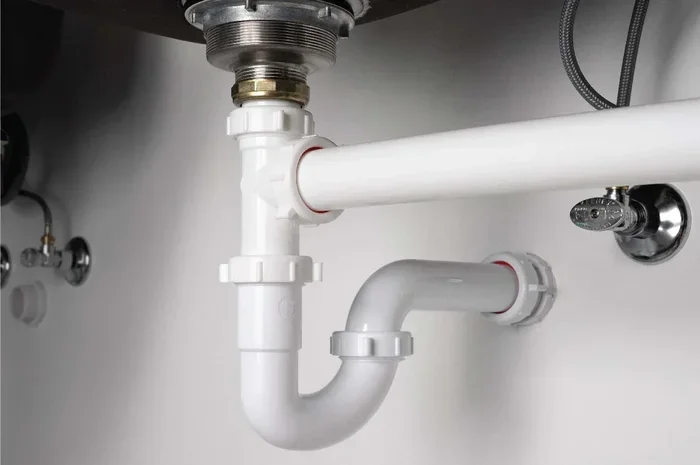
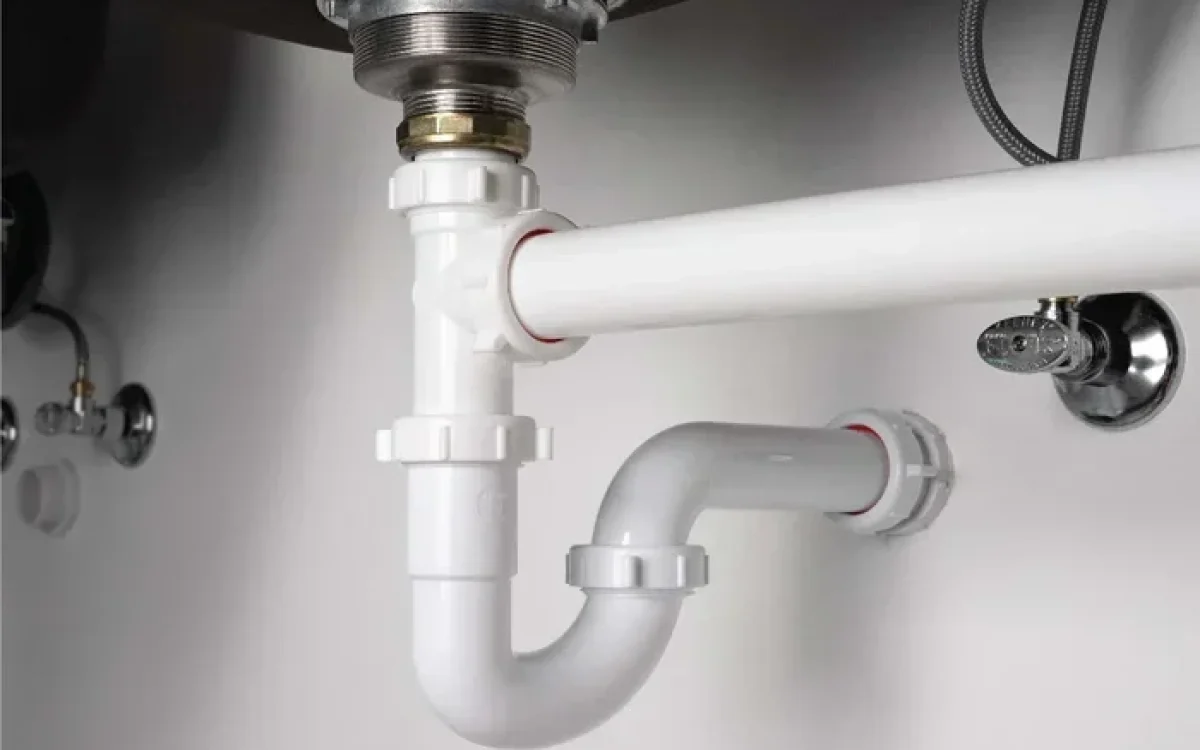
A p trap is a curved section of pipe installed under your kitchen sink. It gets its name from the shape it forms, which looks like the letter P when viewed from the side. The curved section holds standing water, creating a seal that stops unpleasant sewer odors from creeping into your kitchen. This simple but brilliant design has been a staple of kitchen sink plumbing for over a century.
But the p trap does more than just block smells. It also catches small objects like utensils, food scraps, and jewelry that might accidentally fall into the drain. Without a properly sized trap, these items could slip further into the plumbing system and cause serious blockages deep inside your pipes.
Why Size Is Not One-Size-Fits-All
Here is where things get important. Not every kitchen sink uses the same drain diameter. The size of your p trap must match the waste outlet on your sink and the drain pipe coming from the wall. Using a mismatched p trap leads to several problems:
- Leaks at connection points when the nuts and washers do not align properly.
- Slow drainage because the pipe diameter restricts water flow.
- Code violations that can cause issues when selling your home.
- Extra stress on joints, which can lead to cracks and water damage over time.
When you are working on your under sink plumbing, taking five minutes to measure the correct size can save you hours of frustration later. Always check both the sink outlet and the wall drain before purchasing a replacement p trap.
Standard P Trap Sizes for Kitchen Sinks
The most common p trap sizes for kitchen sinks fall into two categories. Understanding these will help you quickly identify what you need for your setup.
1-1/2 Inch P Trap
This is the standard p trap size for most kitchen sinks in the United States. If your sink has a 1-1/2 inch waste outlet, you will need a 1-1/2 inch p trap. This size handles the water flow from a typical kitchen sink with ease, whether you are rinsing a full pot of pasta or running the garbage disposal after dinner.
Most modern kitchen sinks come with a 1-1/2 inch drain assembly. This is the size you will find at nearly every hardware store and home center. It is also the most commonly referenced size in plumbing code requirements for residential kitchens.
1-1/4 Inch P Trap
Some smaller kitchen sinks, bar sinks, and utility sinks use a 1-1/4 inch waste outlet. If your sink has this smaller opening, you will need a corresponding 1-1/4 inch p trap. Using a 1-1/2 inch trap on a 1-1/4 inch outlet will not work properly, and the reverse is also true.
This size is less common but still widely available. It is often found in older homes or in compact kitchen setups where space is limited. If you are unsure which size you have, simply measure the diameter of the drain opening on your sink basket strainer.
2 Inch P Trap
In some cases, especially with double-bowl kitchen sinks or sinks connected to a dishwasher, you may encounter a 2 inch p trap. This larger size handles higher volumes of water and is common in commercial or heavy-use residential kitchens. The drain pipe sizing for these setups is typically 2 inches to prevent backups during heavy use.
How to Measure Your Current P Trap
Before you buy a replacement, you need to know the exact size of your current p trap. Measuring is simple and only takes a few minutes. Here is how to do it.
Step-by-Step Measurement Process
- Turn off the water supply to your sink and place a bucket under the p trap to catch any remaining water.
- Remove the p trap by loosening the slip joint nuts at both ends. These are the plastic or metal nuts that connect the trap to the drain tailpiece and the trap arm.
- Measure the diameter of the straight sections of the pipe using a tape measure. Measure the inside diameter for the most accurate reading.
- Check the length of the curved section if you need a replacement of the same size. P traps come in standard lengths of 4 inches, 6 inches, and 8 inches.
- Note the material of your current trap so you can decide whether to stick with the same material or upgrade.
Pro tip: bring the old p trap with you to the hardware store. Even if you think you remember the size, having the actual piece ensures a perfect match. This simple step prevents the hassle of returns and exchanges.
P Trap Materials: Chrome, PVC, and Brass
P traps come in three primary materials, and each has its own advantages. The material you choose affects durability, cost, and ease of installation.
| Material | Durability | Cost | Best For |
|---|---|---|---|
| Chrome | High | Mid-range | Standard kitchen sinks, modern look |
| PVC | Moderate | Low | Budget-friendly setups, DIY projects |
| Brass | Very High | Higher | Heavy-use kitchens, premium look |
Chrome P Traps
Chrome p traps are the most popular choice for residential kitchens. They are shiny, durable, and resist corrosion well. A chrome p trap blends seamlessly with most kitchen fixtures and gives your under-sink area a clean, finished look. They are easy to clean and typically last many years with basic maintenance.
PVC P Traps
PVC p traps are lightweight and affordable. They are a great choice for renters or anyone on a tight budget. PVC resists corrosion and chemical buildup, which makes it a practical option for kitchens where acidic food waste frequently goes down the drain. However, PVC can become brittle over many years, especially in very cold environments.
Brass P Traps
Brass p traps offer the best durability and a premium appearance. They are heavier than chrome or PVC and can last decades. Many professional plumbers prefer brass for high-end kitchen installations. If you want a p trap that will outlast the rest of your kitchen fixtures, brass is the way to go.
When to Replace Your P Trap
You might be wondering how often you should replace your p trap. The truth is, most p traps last many years without any issues. However, certain signs indicate it is time for a replacement.
Signs Your P Trap Needs Replacing
- Frequent clogs that do not clear with a plunger or drain snake.
- Visible leaks at the slip joint connections, even after tightening.
- Corrosion or rust on metal p traps that weakens the pipe walls.
- Persistent odors that suggest the water seal in the trap has evaporated or the trap is cracked.
- Discolored water or slow drainage that does not improve with cleaning.
If you notice any of these issues, do not wait too long. A damaged p trap can lead to water damage under your sink, which is expensive to repair. Replacing a p trap is one of the simplest and most affordable plumbing tasks a homeowner can handle.
For those who enjoy a morning routine that includes a warm bowl of oatmeal for breakfast, keeping your kitchen plumbing in top shape ensures your morning routine flows without a hitch. A clogged or leaking p trap can disrupt even the simplest kitchen tasks, from washing bowls to rinsing spoons.
P Trap Installation: A Step-by-Step Guide
Installing a new p trap is easier than most homeowners expect. With basic tools and a little patience, you can complete the job in under 30 minutes. Here is a straightforward walkthrough.
What You Will Need
- New p trap (correct size and material)
- Adjustable wrench or channel-lock pliers
- Plumber’s tape (Teflon tape)
- A bucket or towel
- Plumber’s putty (if replacing the sink basket strainer)
Installation Steps
- Remove the old p trap by loosening the slip joint nuts. Place your bucket underneath to catch water.
- Clean the connection points on the drain tailpiece and the trap arm. Remove any old plumber’s putty or debris.
- Assemble the new p trap by hand-tightening the slip joint nuts onto the tailpiece and trap arm. Do not overtighten at this stage.
- Adjust the position so the trap sits securely and the connections are aligned properly.
- Tighten the nuts firmly with your wrench. Do not use excessive force, as this can crack PVC or strip chrome fittings.
- Run water for several minutes and check all connections for leaks. Tighten slightly if needed.
Remember: when working on kitchen sink plumbing, patience is your best friend. Take your time aligning the pipes, and do not force any connections. A little extra care during installation prevents leaks and extends the life of your new p trap.
Quick Tips for a Leak-Free Installation
- Always hand-tighten first, then use the wrench for just a quarter turn more.
- Use plumber’s tape on threaded connections for a tighter seal.
- Make sure the p trap sits at the correct slope to allow water and waste to flow freely.
- Keep a towel handy to wipe away any water residue after testing.
Common P Trap Mistakes to Avoid
Even experienced DIYers can make mistakes when dealing with p traps. Here are the most common errors and how to avoid them.
Buying the Wrong Size
The most frequent mistake is purchasing a p trap without measuring first. Always check both the sink outlet and the wall drain diameter before buying. A 1-1/2 inch p trap will not fit a 1-1/4 inch outlet, and vice versa.
Using the Wrong Material
Some homeowners grab a PVC p trap for a kitchen with a chrome drain assembly. While PVC works fine for drainage, mixing materials can create an unattractive look and potential compatibility issues. Stick to matching materials for a clean, professional result.
Over-Tightening Connections
It is tempting to crank down the slip joint nuts as hard as possible. This is a mistake. Over-tightening can crack PVC fittings, strip chrome plating, and warp rubber washers. Gentle, firm pressure is all you need.
Ignoring Local Plumbing Codes
Every municipality has its own plumbing codes that dictate acceptable p trap sizes and configurations. Ignoring these codes can result in failed inspections and costly rework. Always check with your local building authority if you are unsure about code requirements.
Skipping the Water Seal
The water seal in your p trap is what blocks sewer gases. If you install the trap incorrectly or it dries out, you will notice unpleasant odors in your kitchen. Make sure the trap holds water properly and is not installed at an angle that drains the seal away.
Expert Insights on P Trap Sizing
We spoke with licensed plumber Maria Torres, who has over 15 years of experience in residential plumbing. She shared some valuable insights about p trap sizing that every homeowner should know.
“The most common issue I see is people assuming all kitchen sinks use the same p trap size. That is simply not true. Always measure your specific setup before buying a replacement. A half-inch difference can mean the gap between a perfect fit and a frustrating leak,” Torres explains.
She also emphasizes the importance of regular maintenance. “I tell my customers to clean out their p traps every three to six months. A simple removal and rinse prevents buildup that can cause slow drains and odors. It takes five minutes and saves hundreds of dollars in potential plumbing repairs,” she adds.
Another expert, plumbing inspector David Chen, highlights the role of plumbing venting in p trap performance. “A p trap works best when the entire drain system is properly vented. Without adequate ventilation, you can get gurgling sounds, slow drainage, and even siphoning of the water seal. Always make sure your vent pipe is clear and unobstructed,” Chen advises.
P Trap Sizing for Different Sink Types
Not all kitchen sinks are the same, and neither are their p trap requirements. Here is a quick look at how p trap sizing varies by sink type.
Single-Bowl Kitchen Sinks
Most single-bowl sinks use a standard 1-1/2 inch p trap. This size handles the water flow from one basin efficiently. If your single-bowl sink has a garbage disposal, the p trap size remains the same, but you will need to account for the extra connection point.
Double-Bowl Kitchen Sinks
Double-bowl sinks may use two separate 1-1/2 inch p traps, one for each bowl, or a single larger p trap depending on the configuration. Some double-bowl sinks share a common waste outlet, which uses one p trap for both basins. Check your sink’s installation manual or measure the waste outlets to determine the correct setup.
Bar Sinks and Utility Sinks
Smaller sinks like bar sinks and utility sinks often use a 1-1/4 inch p trap. These sinks have a lower water volume and smaller drain outlets, so the smaller trap size is appropriate. Always verify the waste outlet diameter before purchasing.
Sinks with Dishwashers
If your kitchen sink has a dishwasher connection, the p trap setup may include a dishwasher tailpiece that connects directly to the trap. The p trap size is typically still 1-1/2 inches, but you need to ensure the dishwasher air gap or direct connection is properly integrated into the setup.
Key Takeaways
- Standard Size: Most kitchen sinks require a 1-1/2 inch p trap, though some smaller setups use 1-1/4 inch.
- Material Matters: Chrome, PVC, and brass p traps each have unique benefits for durability and cost.
- Check Your Plumbing Code: Local codes may dictate the exact size and type of p trap you must use.
- Installation Is Straightforward: With the right tools and a little patience, you can swap out a p trap in under 30 minutes.
- Match the Diameter: Always match the p trap size to your sink’s waste outlet and drain pipe for a proper fit.
- Regular Maintenance: Cleaning your p trap every few months prevents odors and keeps water flowing freely.
Conclusion
Getting the right p trap size for kitchen sink installations is one of the simplest yet most important plumbing decisions you will make. Whether you are replacing an old trap or setting up a new sink, matching the correct diameter to your drain outlet ensures smooth operation, prevents leaks, and keeps your kitchen smelling fresh.
Remember to measure carefully, choose a material that fits your budget and style, and follow local plumbing codes. With the right p trap in place, your kitchen plumbing will work reliably for years to come. A little attention to this small but vital component pays off in big ways, from fewer clogs to a more efficient kitchen overall.
Take a few minutes today to check your p trap. If it looks worn, corroded, or undersized, replacing it is a quick and affordable fix. Your kitchen will thank you every time you run the faucet.
Frequently Asked Questions
What is the standard p trap size for a kitchen sink?
The most common p trap size for a kitchen sink is 1-1/2 inches in diameter. This fits the majority of standard kitchen sinks in the United States. However, always measure your specific drain outlet to confirm the correct size before purchasing.
Can I use a 1-1/4 inch p trap for my kitchen sink?
Yes, but only if your sink has a 1-1/4 inch waste outlet. Smaller sinks, bar sinks, and some older kitchen setups use this size. Using the wrong diameter will result in poor connections and potential leaks.
How do I know if my p trap is the right size?
Measure the inside diameter of your current p trap with a tape measure. It should match the waste outlet on your sink and the drain pipe coming from the wall. If you are unsure, take the old p trap to a hardware store for comparison.
What material p trap is best for a kitchen sink?
Chrome p traps are the most popular choice for kitchens because they are durable, attractive, and resist corrosion. PVC is a budget-friendly alternative, while brass offers the highest durability for heavy-use kitchens.
How often should I replace my kitchen sink p trap?
There is no set schedule, but you should replace your p trap if you notice leaks, corrosion, frequent clogs, or persistent odors. Most p traps last many years with proper maintenance and regular cleaning.
Is p trap installation difficult for a beginner?
Not at all. Replacing a p trap is one of the easiest plumbing tasks you can do yourself. You only need basic tools like an adjustable wrench and about 30 minutes of time. Just remember to place a bucket underneath and work carefully at each connection point.