Choosing the right oil for your riding lawn mower is one of the simplest ways to protect your engine and extend its life. Most riding mowers need SAE 30 or 10W-30 oil, but always check your owner’s manual first. Using the wrong oil type can cause serious damage, so this guide breaks down exactly what you need to know.
If you own a riding lawn mower, you already know how much time and money it saves during the growing season. But did you know that picking the right riding lawn mower oil is one of the easiest ways to keep it running smoothly for years? Many homeowners overlook this simple maintenance step, and it ends up costing them expensive repairs down the road.
So, what type of oil goes in a riding lawn mower? The answer depends on a few factors, including your mower model, the climate you live in, and how often you use it. In this guide, we will walk you through everything you need to know about lawn mower engine oil, from understanding SAE ratings to choosing between conventional and synthetic options. By the end, you will feel confident making the right choice for your machine.
Think of oil as the lifeblood of your mower’s engine. Just like your body needs the right nutrients to function, your riding mower needs the right oil type to lubricate moving parts, reduce friction, and prevent overheating. Using the wrong oil can lead to increased wear, poor fuel economy, and even total engine failure. Let us dive in and make sure that never happens to you.
Key Takeaways
- SAE 30 is the most common oil: It works well for most riding mowers in warm weather conditions.
- 10W-30 is a versatile option: This multi-grade oil performs well in both cold starts and hot operating temperatures.
- Synthetic oil offers better protection: It lasts longer and handles temperature extremes better than conventional oil.
- Always check your owner’s manual: Your mower manufacturer knows best what oil weight and type suits your specific engine.
- Change your oil regularly: Most riding mowers need an oil change every 25 hours of use or at least once per season.
- Avoid overfilling: Too much oil can cause smoking, poor performance, and potential engine damage.
- Don’t use car oil blindly: While some car oils work, small engine oil is specifically formulated for lawn mower engines.
📑 Table of Contents
- Understanding Oil Grades and Ratings for Riding Lawn Mowers
- Best Oil Types for Riding Lawn Mowers
- How to Choose the Right Oil for Your Riding Lawn Mower
- Step-by-Step Guide to Changing Oil in a Riding Lawn Mower
- Common Oil Mistakes That Damage Your Riding Mower
- Oil Maintenance Schedule and Pro Tips
- Final Thoughts on Choosing the Right Oil
Understanding Oil Grades and Ratings for Riding Lawn Mowers
Before you pick up any oil at the hardware store, it helps to understand what those numbers and letters on the bottle actually mean. The oil grading system, known as SAE (Society of Automotive Engineers), tells you how thick or thin the oil is at different temperatures. This viscosity rating is the foundation of choosing the right lawn mower oil type for your machine.
What Does SAE Mean?
The SAE rating system measures oil viscosity, which is basically how thick the oil is. You will see ratings like SAE 30 or 10W-30 on oil bottles. The number before the “W” stands for winter, and it tells you how the oil flows in cold temperatures. The number after the dash tells you how the oil performs at normal operating temperature.
For example, 10W-30 oil flows easily when it is cold, which helps protect your engine during startup. Once the engine warms up, it thickens to SAE 30 viscosity to provide proper lubrication. This is why multi-grade oils have become so popular among riding mower owners.
Single-Grade vs Multi-Grade Oil
Single-grade oils like SAE 30 are straightforward. They work well in warm weather and provide reliable lubrication when temperatures are consistently above 40 degrees Fahrenheit. However, if you live in a region with cold winters, a single-grade oil can be too thick to flow properly when you try to start your mower in the spring.
Multi-grade oils, such as 10W-30 or 5W-30, solve this problem. They are thin enough to flow during cold starts but thick enough to protect your engine once it heats up. For most homeowners, a 10W-30 multi-grade oil is the safest and most versatile choice for a riding lawn mower.
Best Oil Types for Riding Lawn Mowers
Now that you understand oil ratings, let us talk about the actual types of oil you can use. Not all oils are created equal, and your riding mower deserves the right one. There are three main categories of oil that work well in riding lawn mower engines: conventional, synthetic, and synthetic blends.
Conventional Oil for Riding Mowers
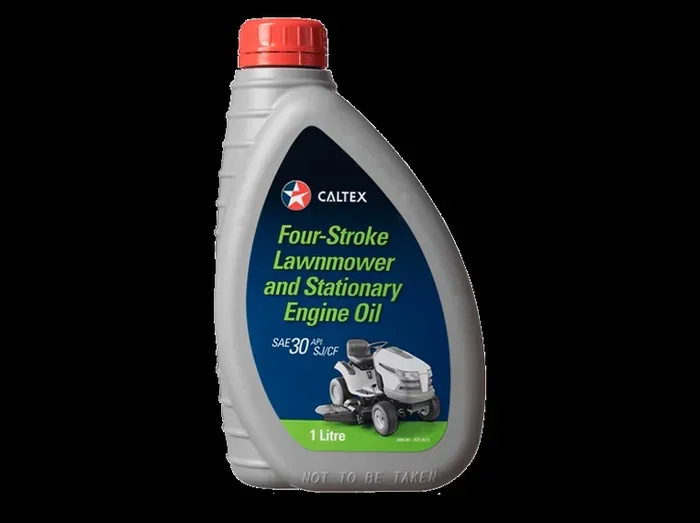
Conventional oil is the most traditional option and the one you will find on the shelves of most auto parts stores. It is made from refined crude oil and has been used in small engines for decades. SAE 30 conventional oil remains the go-to choice for many riding mower owners, especially those who mow in warm weather.
The biggest advantage of conventional oil is its affordability. A quart typically costs just a few dollars, and most mowers only need about 1.5 to 2 quarts per oil change. However, conventional oil breaks down faster than synthetic options, which means you will need to change it more frequently.
Synthetic Oil for Riding Mowers
Synthetic oil is a premium option that offers superior protection and performance. It is engineered in a lab to have consistent molecular structures, which means it flows smoothly at all temperatures and resists breakdown much better than conventional oil. If you want the best synthetic oil for lawn mower performance, this is the way to go.
Synthetic oil costs more upfront, but it lasts longer and provides better engine protection. Many manufacturers now approve synthetic oil for their riding mowers, and some even recommend it. If you live in an area with extreme temperature swings, synthetic oil handles both the cold starts and the hot summer mowing sessions with ease.
Synthetic Blend Oil
A synthetic blend combines the best of both worlds. It mixes conventional and synthetic oils to offer improved performance over pure conventional oil at a lower price than full synthetic. If you want a step up from conventional oil without breaking the bank, a synthetic blend is a solid middle ground.
Synthetic blend oils provide better thermal stability and oxidation resistance than conventional oil alone. They work well for homeowners who mow regularly but do not want to spend extra on full synthetic. For most riding lawn mowers, a synthetic blend in 10W-30 viscosity is an excellent choice.
How to Choose the Right Oil for Your Riding Lawn Mower
With so many options on the shelf, choosing the right oil can feel overwhelming. But it does not have to be. A few simple factors will guide you to the right decision every time.
Check Your Owner’s Manual First
This is the single most important step. Your mower manufacturer spent years engineering that engine, and they know exactly what oil it needs. The owner’s manual will specify the recommended oil weight, type, and capacity. Some mowers even list approved oil brands. If you have lost your manual, you can usually find a digital copy on the manufacturer’s website.
Do not guess when it comes to your riding mower oil requirements. Using the wrong oil weight can lead to poor lubrication, increased wear, and voided warranties. Always start with the manual before you buy anything.
Consider Your Climate and Operating Temperature
Where you live matters a lot when choosing oil. If you live in a warm southern climate where temperatures regularly exceed 90 degrees, SAE 30 oil works great during the hot summer months. But if you live in the north where mornings can be chilly, even in summer, a 10W-30 oil will give you better cold-start protection.
For year-round versatility, 10W-30 is hard to beat. It handles cold mornings in April and hot afternoons in July without breaking a sweat. Think of it as the all-season tire of the oil world for your riding mower.
Four-Stroke vs Two-Stroke Engines
Most modern riding lawn mowers use four-stroke engines, which require separate oil for lubrication. These engines use standard small engine oil in weights like SAE 30 or 10W-30. However, if you happen to have an older two-stroke mower, the oil requirements are completely different. Two-stroke engines mix oil directly with gasoline, so you would use a special two-stroke oil rather than the standard small engine oil.
Always confirm your engine type before purchasing oil. Putting four-stroke oil into a two-stroke engine, or vice versa, can cause serious damage. Check your manual or look for an engine label that identifies the type.
Step-by-Step Guide to Changing Oil in a Riding Lawn Mower
Changing the oil in your riding mower is easier than you might think. With the right tools and a little patience, you can do it in about 30 minutes. Here is a simple walkthrough of the process.
What You Will Need
- Recommended oil: Check your manual for the correct type and amount
- Oil drain pan: To catch the old oil
- Socket wrench and oil filter wrench: For removing the drain plug and filter
- Funnel: For clean pouring of new oil
- Rags or paper towels: For spills and cleanup
- New oil filter: Replace this with every oil change
- Jack and jack stands or ramps: To safely lift the mower if needed
The Oil Change Process
Start by running your mower for a few minutes. Warm oil drains much better than cold oil. Then turn off the engine and wait a couple of minutes for the oil to settle. Lift the mower using a jack or drive it onto ramps. Locate the oil drain plug underneath the engine deck and place your drain pan beneath it.
Remove the drain plug and let the old oil flow out completely. While it drains, remove the old oil filter and replace it with a new one. Once the oil has stopped dripping, reinstall the drain plug and tighten it securely. Now use a funnel to pour in the new oil, checking the dipstick frequently to avoid overfilling.
After filling, start the mower and let it run for a few minutes. Check for leaks around the drain plug and filter. Turn off the engine, wait a minute for the oil to settle, and check the level on the dipstick one more time. Top off if needed, and you are done.
Common Oil Mistakes That Damage Your Riding Mower
Even with the best intentions, many homeowners make oil-related mistakes that shorten the life of their riding mower. Knowing what to avoid is just as important as knowing what to do.
Using the Wrong Oil Weight
This is the most common mistake. Some people grab whatever oil they have in the garage, which might be the wrong weight for their mower. Using oil that is too thin means it will not provide adequate lubrication under heavy load. Oil that is too thick will not flow properly during cold starts, leading to increased wear on engine components.
Always stick with the manufacturer’s recommended oil weight. If the manual says 10W-30, do not substitute SAE 50 just because it is what you have on hand.
Skipping Regular Oil Changes
Oil breaks down over time from heat, moisture, and combustion byproducts. Old oil loses its lubricating properties and becomes contaminated with dirt and metal particles. Skipping oil changes is one of the fastest ways to ruin a riding mower engine.
As a general rule, change your oil every 25 hours of use or at least once per mowing season. If you use your mower heavily, consider changing it more frequently. It is a small investment of time and money that pays off big in engine longevity.
Overfilling the Oil Reservoir
It might seem like more oil is better, but overfilling can actually cause serious problems. Excess oil gets whipped up by the engine’s moving parts, creating foam that reduces lubrication. It can also cause blue smoke, poor performance, and oil leaks.
Always fill to the level marked on the dipstick, not beyond it. If you accidentally overfill, drain the excess immediately. A little too much oil might seem harmless, but it can lead to expensive repairs.
Oil Maintenance Schedule and Pro Tips
Keeping up with your riding mower’s oil maintenance does not have to be complicated. A simple schedule and a few smart habits will keep your engine healthy for years.
When to Change Your Oil
Most manufacturers recommend changing the oil after the first 5 hours of use for a new mower. After that, change it every 25 hours of operation or once per season, whichever comes first. If you notice your oil looks dark brown or black, smells burnt, or feels gritty between your fingers, it is time for a change regardless of the hour count.
Keep a log of your oil changes. Writing down the date and hour meter reading helps you stay on track and reminds you when the next change is due. Some homeowners even set phone reminders to make sure they do not forget.
Tips for Extending Engine Life
- Check oil levels before every use: A quick dipstick check takes five seconds and can prevent serious problems.
- Use a quality oil filter: Cheap filters do not trap contaminants as effectively, which means more wear on your engine.
- Warm up the engine before mowing: Letting the mower idle for 60 seconds allows the oil to circulate and reach all moving parts.
- Store your mower properly: If you store your mower for the winter, change the oil just before storing it to prevent acid buildup.
- Never mix different oil brands: Stick with one brand and type for consistency and optimal performance.
Following these simple tips will keep your riding mower’s engine running like new for many seasons to come. Proper oil maintenance is the single most impactful thing you can do for your machine.
Final Thoughts on Choosing the Right Oil
So, what type of oil goes in a riding lawn mower? The short answer is that most riding mowers do well with SAE 30 or 10W-30 oil, whether conventional or synthetic. The long answer is that you should always consult your owner’s manual, consider your climate, and choose a quality oil that matches your engine’s needs.
Do not let something as simple as oil choice turn into an expensive repair. Take five minutes to check your manual, pick the right oil, and stick to a regular maintenance schedule. Your riding mower will reward you with years of reliable service and a beautifully maintained lawn.
Just like how a perfectly baked olive oil loaf depends on using the right ingredients, your mower engine depends on using the right oil. And just like those delicious olive oil blondies that prove how versatile oil can be in the kitchen, the right oil makes all the difference in performance. Even the famous In-N-Out Flying Dutchman Burger shows us that getting the right ingredients together creates something great. The same principle applies to your riding mower. Get the oil right, and your engine will run great for years.
Now that you know exactly what oil your riding lawn mower needs, you are ready to head to the store and make the right choice. Your mower will thank you with every cut.
Frequently Asked Questions
Can I use car oil in my riding lawn mower?
Yes, in most cases you can use the same oil in your riding mower that you use in your car, as long as it meets the viscosity and specification requirements in your owner’s manual. Many riding mowers accept 10W-30, which is one of the most common car oil weights. However, always double-check your manual because some small engines require specific formulations.
How often should I change the oil in my riding lawn mower?
Most riding mowers need an oil change every 25 hours of use or at least once per mowing season. For new mowers, change the oil after the first 5 hours to remove any manufacturing residues. If you use your mower heavily or in dusty conditions, consider changing it more frequently to protect the engine.
What happens if I put too much oil in my riding mower?
Overfilling causes the excess oil to get whipped into a foam by the engine’s moving parts, which reduces its ability to lubricate properly. Symptoms include blue or white smoke from the exhaust, poor engine performance, and potential oil leaks. If you overfill, drain the excess oil immediately to avoid engine damage.
Is synthetic oil worth the extra cost for a riding lawn mower?
Yes, synthetic oil is worth the extra cost if you want maximum engine protection and longer oil change intervals. Synthetic oil flows better in cold weather, resists breakdown at high temperatures, and lasts longer than conventional oil. While it costs more upfront, the extended engine life and reduced maintenance frequency can offset the price difference.
Can I reuse old oil from my riding lawn mower?
No, you should never reuse old oil. Used oil contains contaminants, metal particles, and combustion byproducts that accelerate engine wear. Always dispose of old oil properly by taking it to a recycling center or auto parts store that accepts used oil. Never pour it down drains or onto the ground.
What is the difference between SAE 30 and 10W-30 oil?
SAE 30 is a single-grade oil that performs well at operating temperature but can be too thick for cold starts. 10W-30 is a multi-grade oil that flows easily when cold (the 10W part) and provides SAE 30-level protection at operating temperature (the 30 part). For most homeowners, 10W-30 is the more versatile and practical choice for a riding lawn mower.
=== CONCLUSION ===
Choosing the right oil for your riding lawn mower does not have to be confusing. What type of oil goes in a riding lawn mower is a question with a straightforward answer: most mowers thrive on SAE 30 or 10W-30 oil, whether conventional or synthetic. The key is to consult your owner’s manual, consider your local climate, and stick to a consistent oil change schedule.
Your riding mower is a significant investment, and proper oil maintenance is the simplest way to protect that investment. With the right oil, the right filter, and a regular maintenance routine, you can enjoy a reliably running mower season after season. Take the time to do it right, and your lawn will thank you all summer long.